
Hindfoot Varus: When the Heel “Looks Inside”
Have you ever noticed that your feet, or your child's, seem to "bend" inward? Hindfoot varus is a condition I see quite often in my office.
By Dr. Luigi ManziUpdated on
Have you ever noticed that your feet, or your child's, seem to "bend" inward? Hindfoot varus is a condition I see quite often in my office.
We're talking about a foot deformity where the calcaneus—basically the heel—tilts inward compared to the normal axis of the leg. It's not an uncommon occurrence, in fact. Many patients come to me worried because they notice their shoes are wearing out unusually, or because they feel discomfort when walking.
Hindfoot varus can occur at any age. In children, it's often a developmental issue; in adults, it can be the result of trauma or other conditions. The good news? It can be treated effectively, especially if the problem is detected early.
What exactly is hindfoot varus?
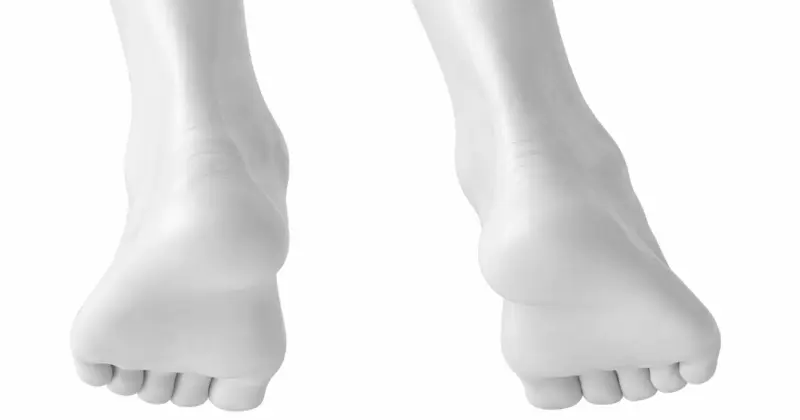
Imagine looking at your foot from behind. Under normal conditions, the heel should be practically aligned with the leg, perhaps with a slight outward inclination (what we call physiological valgus). In hindfoot varus, the opposite occurs: the heel "collapses" inward.
It's as if the foot loses its natural balance. When you support your body weight, rather than distributing it evenly, you tend to put more weight on the outer edge of the foot. This creates a series of compensations that can cause problems not only in the foot, but also up the back.
Patients often say to me, "Doctor, I don't know why, but my shoes always wear out on the outside." That's often the first sign that something isn't right with the foot. Heel varus can be more or less pronounced—in some cases it's barely visible, in others it's quite obvious even to the naked eye.
The causes? There are several.
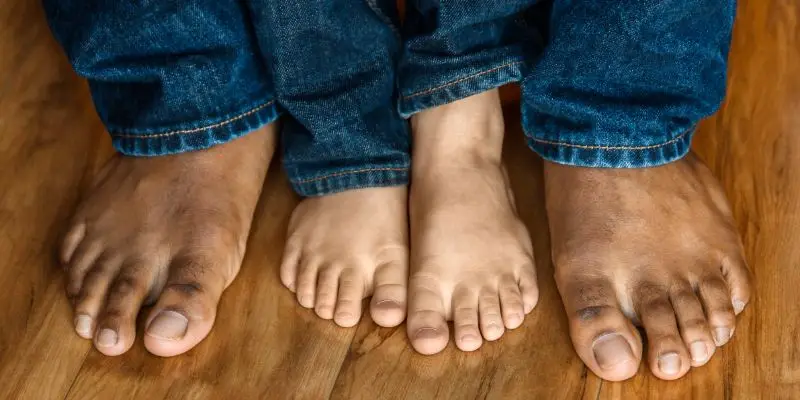
So, why does hindfoot varus occur? There are many causes, and they often intertwine in ways that make each case a little different.
In children, it's very often a congenital issue. The foot develops this shape during pregnancy. It's no one's fault, it just happens. Sometimes it's associated with other conditions, such as talipes equinovarus, which is more complex and requires a specific approach.
In adults, things are different. Ankle injuries, poorly healed calcaneal fractures, and tendon injuries—especially the posterior tibialis—can lead to a hindfoot deformity. The other day, a patient came to see me who had suffered a nasty ankle fracture years ago: over time, the foot had developed significant varus.
Some neurological diseases can also be responsible. I'm thinking of cerebral palsy, spina bifida, or conditions like Charcot-Marie-Tooth disease. In these cases, muscle imbalance gradually leads to deformity.
And then there are high-arched feet—those with very high arches. They often go hand in hand with varus hindfoot, creating a condition we call "cavus varus." It's a combination that can cause serious problems if not managed properly.
The symptoms that bring patients to me
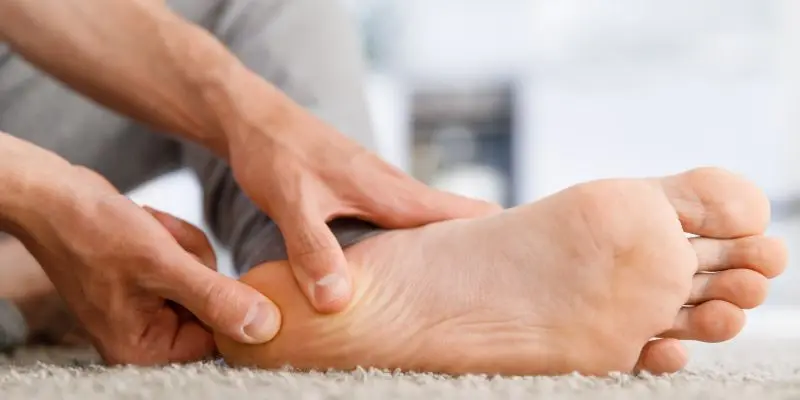
"Doctor, it hurts down here, on the outside of my foot." This is what I hear most often. Lateral foot pain is typical of hindfoot varus, because all the weight rests on that area.
But it's not just pain. Many patients complain of a feeling of instability when walking, especially on uneven terrain. In fact, varus foot tends to "roll" outward more easily.
The shoes wear out in a characteristic way: a lot on the outside edge, little on the inside. Some patients tell me right away: "My shoes last half as long as usual, and they always wear out in the same spot."
Over time, if the problem isn't addressed, pain can also appear in the ankle, knee, or even the back. The body tries to compensate for the poor support, but eventually, something gives way.
In more severe cases, painful calluses and corns form on the outside of the foot. And then there's the aesthetic issue, which shouldn't be underestimated: many patients are self-conscious about the appearance of their feet, especially in the summer.
How do I diagnose?

When a patient comes to my office with a suspected hindfoot varus, the first thing I do is watch them walk. I observe their stance, their gait, and whether they limp or have any special compensations.
Then I have him stand barefoot and examine him from behind. Hindfoot varus is often clearly visible in this position. I also check the flexibility of the foot: can I manually correct the deformity? If so, it's a good sign for conservative treatment.
Examining shoes is crucial. I always bring them to show my students: "Look here, do you see how worn it is? This tells you much more than words." The wear pattern tells the story of the foot.
To get a complete picture, I almost always order x-rays. An anteroposterior and lateral views of the foot, often including a weight-bearing hindfoot view. These tests tell me how severe the deformity is and whether there are other associated abnormalities.
In some cases, an MRI may be necessary, especially if I suspect tendon problems or if I need to plan surgery. But in most cases, a thorough clinical examination and X-rays are sufficient to guide the diagnosis.
Treatment options
Well, it depends a lot on the severity of the problem and the patient's age. In young children, much can often be corrected with conservative treatments. Custom-made insoles, specific physiotherapy, and sometimes even corrective casts.
Insoles are often the first thing I try. Not the standard ones from the store, mind you—I'm talking about custom-made orthotics, designed specifically for that foot. The idea is to correct the position of the foot and better redistribute the load. Many patients find immediate relief.
Physiotherapy can help a lot, especially for strengthening the muscles that stabilize the foot. Stretching exercises, strengthening the tibialis posterior, and working on proprioception. It may seem like little, but it makes a difference.
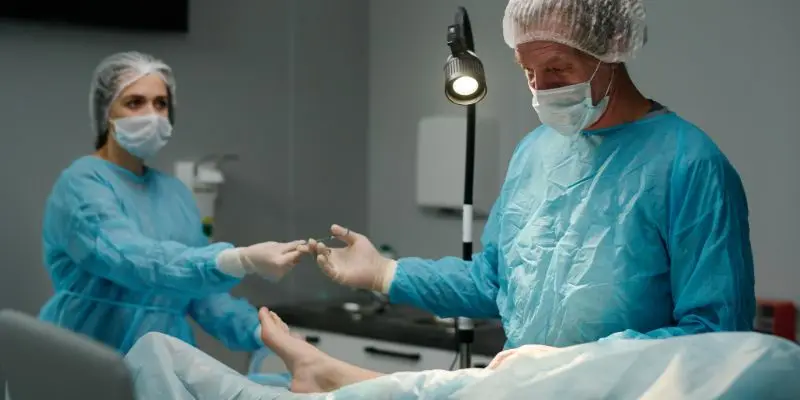
When conservative treatment isn't enough, surgery may be considered. There are various techniques, from the simplest calcaneal osteotomy to more complex procedures that also involve the forefoot. The type of procedure depends on the specific case.
After all, every foot tells a different story. What works for one patient may not work for another. This is why an individualized assessment is essential.
What happens after surgery
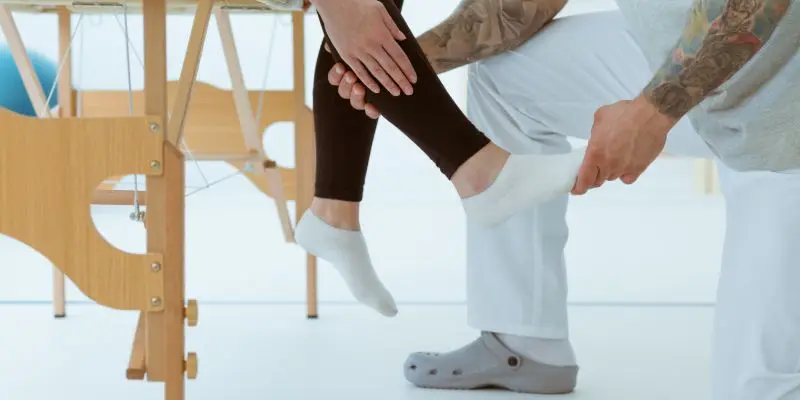
If surgery is necessary, recovery times vary greatly. For a simple calcaneal osteotomy, a brace is usually needed for 6-8 weeks, after which walking can gradually resume.
My patients always ask me, "When will I be able to run again?" Well, it depends. Typically, for more strenuous sports, you have to wait 4-6 months. But I always see very satisfactory results when the surgical indication is correct.
Postoperative physiotherapy is crucial. It's not enough to perform a good operation—you also need to rehabilitate properly. Otherwise, much of the benefit of the surgery is lost.
How to prevent the problem
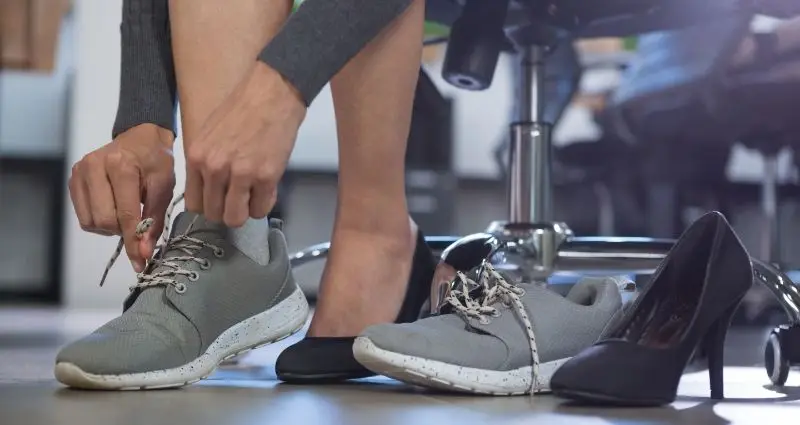
To be honest, when there's a congenital predisposition, there's not much you can do. However, in many cases, you can prevent the situation from getting worse.
The right shoes make all the difference. Avoid high heels and choose shoes with good arch support. And above all, if you notice the first signs of an abnormal fit, don't wait until the problem worsens.
Regular checkups are important for children, especially if there's a family history of foot deformities. The earlier the intervention, the better the results.
SmartHallux: Where we can help you

Dr. Luigi Manzi, who has gained specific experience in this field, follows each patient with a personalized path using the most modern techniques.
The SmartHallux team treats conditions such as hallux valgus , Morton's neuroma , and other deformities that cause foot pain. Providing comprehensive support throughout the treatment process, SmartHallux can be a winning choice for effective treatment tailored to your needs. Book your specialist consultation with the SmartHallux team now (opens in a new tab).
FAQ
Does hindfoot varus always get worse with age?
Not necessarily. It depends on the cause and the initial severity. With the right measures, the situation can often be stabilized and further worsened.
Is it true that you inherit it from your parents?
In many cases, yes, there's a significant family component. If there's a family history of foot deformities, it's worth getting preventative checkups.
Should insoles always be worn?
When you need them, yes. It's like wearing glasses: if you need them to see well, you wear them. The same goes for insoles and foot support.