
Heel injections: when pain becomes a real problem
Heel injections, usually corticosteroid, are used when plantar fasciitis or heel spur pain resists other treatments. When they are indicated and the risks.
By Dr. Luigi ManziUpdated on
Heel pain can be truly frustrating. I know this well because I see so many patients in my office who come in with this "thorn in their side"—or rather, a thorn in their heel! It's a problem that may seem trivial from the outside, but those who experience it know how much it can impact their daily lives.
Have you ever woken up in the morning and felt a sharp pain as soon as you stepped out of bed? That sensation, described by many as "walking on nails," is often linked to conditions that require a targeted approach. This is where heel injections come in.
What exactly are heel infiltrations?

When I discuss heel injections with my patients, I often see slightly worried faces. "Doctor, are they painful?" is the question I hear most often.
Infiltrations are essentially injections of medication—usually corticosteroids—administered directly to the affected area. It's like delivering the medicine exactly where it's needed, without having it travel throughout the body. Smart, right?
The goal is simple: to reduce inflammation and pain in a targeted and lasting way. It's not a magic solution that solves everything overnight, but it can provide significant relief when other treatments haven't worked sufficiently.
The main causes of heel pain
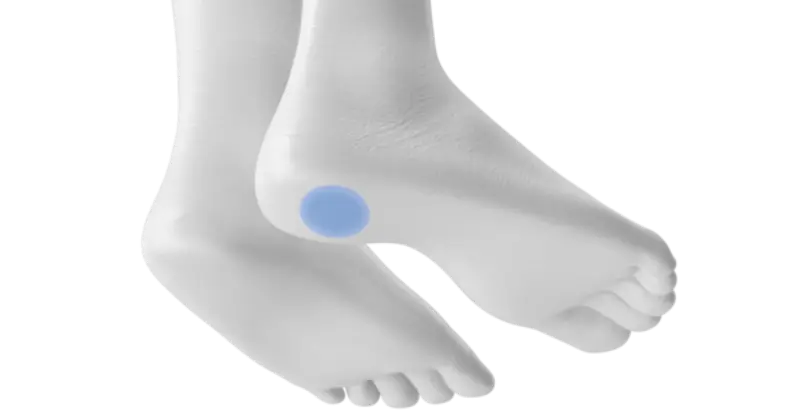
Now, before we think about heel injections , we need to understand why it hurts. Because each cause has its own specific approach.
Plantar fasciitis is definitely the star of this story. The plantar fascia is the tough band of tissue that runs under the foot, from the heel to the toes—a bit like a bowstring. When it becomes inflamed, the pain can be excruciating, especially in the morning. Injections for plantar fasciitis are often very effective in these cases.
Then there's the heel spur . Despite its ominous name, it's "just" a small bony growth that forms on the heel. The problem isn't so much the spur itself, but the inflammation of the surrounding tissue. Here too, heel spur injections can yield excellent results.
Achilles tendinitis is another common problem. That large tendon that connects the calf to the heel can become inflamed for a variety of reasons: sports, wearing the wrong shoes, or simply a sudden movement.
Sometimes there are other causes as well. Arthritis can affect the joints of the foot. Bursitis is inflammation of those small fluid-filled sacs that protect tendons and bones. And then there are stress fractures—small cracks in the bone caused by repetitive strain.
How the problem manifests itself

The symptoms are quite characteristic, and after many years of practice I can already tell a lot from the way a patient walks into my office.
Heel pain is the main symptom. But it's not just any pain—it has specific characteristics. It's often worse in the morning, when you take your first steps. It's as if the foot is "rusty" from the night and needs to warm up. During the day, it may improve with movement, but then recur after prolonged standing.
Stiffness is another important sign. The foot feels less flexible, more "stiff." And then there's that sensitivity to touch—you touch your heel and it hurts.
Swelling isn't always present, but when it does, it's a sign of significant inflammation. Sometimes it's also accompanied by some redness in the area.
How I get to the diagnosis

When a patient comes to me with heel pain, my approach is always the same. First, I listen to their story. When did the pain start? In what situations does it get worse? What type of activity do they do? What shoes do they wear?
Then I move on to the physical exam. I watch how he walks, how he places his foot. I palpate the painful area to determine exactly where it hurts and how severe the inflammation is. I have him perform some specific movements to see how the foot reacts.
Sometimes more in-depth tests are needed. An X-ray can show whether there is a heel spur or other bone problems. Ultrasound is very useful for viewing soft tissues—tendons, fascia, bursae. In specific cases, an MRI may be necessary to obtain an even more detailed picture.
Treatment options

When it comes to heel infiltration , many people think it's the first option. In reality, this is usually not the case.
We always start with more conservative treatments. Rest (relative, no need to stay still!), ice in acute phases, anti-inflammatory medications, and physical therapy. Stretching exercises are essential, especially for the calf and plantar fascia. Shockwave therapy can be very effective in some cases.
Custom insoles often make a difference. Not the ones from the supermarket, but insoles specifically designed for your foot and your problem.
When all this isn't enough, heel injections come into play . This is a second-level treatment, reserved for cases that don't respond to conservative treatments. Plantar fasciitis injections are particularly effective—patients often notice significant improvement after the first injection.
For heel spur injections , the process is similar. The injection reduces inflammation in the tissues around the spur, which is the real cause of the pain.
How recovery works

After an injection, the first thing I always tell my patients is: "Don't expect instant miracles." Yes, sometimes the relief is almost instantaneous, but it usually takes a few days to see the first benefits.
The first 2-3 days after the injection may be a little uncomfortable. It's normal for the area to be slightly more sensitive. Then, gradually, the pain will begin to subside.
The beauty of injections is that they often have a long-lasting effect. It's not uncommon for patients to feel good for several months after a single injection. In some cases, the treatment can be repeated, but always at appropriate intervals.
Important: Injection therapy isn't an excuse to stop doing everything else! Stretching exercises, insoles, and physical therapy—all of these are essential to maintaining the benefits over time.
How to prevent heel problems
Prevention is always the best strategy. And often it's easier than you think.
The right shoes make a huge difference. You don't have to spend a fortune, but you do need to choose shoes with good arch support and a 2-3 cm heel (even for men!). Completely flat shoes or heels that are too high are the enemies of our feet.
Regular stretching is a habit I recommend to all my patients, even those who are doing well. A few minutes a day is enough to keep your calves and plantar fascia supple.
Body weight has its impact. Every extra pound you put on affects your feet, and the heel is one of the areas most affected. I'm not suggesting you get incredibly skinny, but maintaining a reasonable weight helps.
And then there's common sense in physical activity. If you're starting to run after years of being sedentary, go gradually. Your body needs time to adapt.
SmartHallux: Where we can help you

Dr. Luigi Manzi, who has gained specific experience in this field, follows each patient with a personalized path using the most modern techniques.
The SmartHallux team treats conditions such as hallux valgus , Morton's neuroma , and other deformities that cause foot pain. Providing comprehensive support throughout the treatment process, SmartHallux can be a winning choice for effective treatment tailored to your needs. Book your specialist consultation with the SmartHallux team now (opens in a new tab).
Heel injections are one of our core competencies, but they're always part of a comprehensive treatment plan that takes your needs and lifestyle into account.
FAQ
Do heel injections hurt?
This is question number one! The injection itself is uncomfortable but bearable—it's like a blood draw, only in the foot. I always use a local anesthetic to reduce the discomfort. Let's just say the benefit is well worth the minor momentary discomfort.
How long do the effects of the infiltration last?
It varies greatly from person to person. On average, the benefits last 3 to 6 months, but I've had patients who feel good for up to a year after a single injection. It depends on the type of problem, its severity, and how closely the comprehensive treatment plan is followed.
Can I have injections even if I have diabetes?
Diabetes requires extra care, but it's not an absolute contraindication. It's important to evaluate each case individually, monitor blood sugar levels closely, and monitor recovery carefully. With the appropriate precautions, even diabetic patients can benefit from this treatment.
How many infiltrations can I do?
There's no set number, but in general, we try to limit them. Too many cortisone injections in the same area can weaken the tissue. Typically, a maximum of 3-4 injections are given per year in the same area, spaced at least 6-8 weeks apart.