
Ankle and heel pain: what you need to know
Ankle and heel pain can come from Achilles tendonitis, plantar fasciitis, a sprain or arthritis, each with its own symptoms. The causes and how it is treated.
By Dr. Luigi ManziUpdated on
There are many causes of ankle and heel pain. Each, depending on the underlying disorder, has specific symptoms. The pain may be located under the heel, manifest as swelling of the ankle, or manifest as tingling and numbness in the foot.
This annoying sensation of pain in the feet, especially in the ankle and heel, is a common problem that can affect people of all ages. The causes can be multiple, such as injuries, tendonitis, osteoarthritis, plantar fasciitis, and heel spurs, but the most common symptoms are always the same: sharp, localized pain under the heel, behind the heel, or along the inside of the foot, swelling, a feeling of tension and stiffness, resulting in difficulty walking.
Typically, engaging in high-intensity physical activity, walking on hard surfaces, or wearing uncomfortable, tight shoes can worsen the severity of ankle and heel pain.
Pain is a warning sign that shouldn't be ignored. If the foot isn't supported properly, the entire body experiences functional imbalance, creating and worsening conditions affecting other joints such as the knees, hips, and lumbar spine.
Diagnosing ankle and heel pain

When you suffer from ankle and heel pain, it is necessary to seek medical advice and obtain a precise diagnosis, undergoing objective diagnostic tests that can clarify the causes of the problem.
A detailed medical history of the problem precedes any x-rays, ultrasounds, and MRIs that are useful for understanding the specific nature of the pathology.
Once the correct diagnosis has been obtained, the doctor will proceed to explain and evaluate, together with the patient, the treatments and cures that may be necessary to resolve the problem affecting the ankle and heel.
What are the treatments for ankle and heel pain?

Painful ankles and heels can be caused by a variety of conditions. Knowing how to identify them allows for more effective treatment.
When ankle and heel pain is due to minor injuries , treatment may include rest, ice application, and the use of painkillers and anti-inflammatory medications. If the pain is caused by a more serious injury, conservative treatments are not enough and surgery may be necessary.
Arthroscopic ankle surgery can address various conditions affecting the back of the foot. It is of interest to athletes who, due to their activity, frequently perform maximal flexion of the foot, thus placing stress on the bony and soft tissue structures of the hindfoot, as well as to those with an ordinary lifestyle.
What is the recovery time for ankle and heel pain?

Recovery times for ankle and heel pain vary depending on the severity of the injury. For minor injuries, recovery may take only a few days. For more severe injuries, full post-operative recovery may take approximately 2-3 months, the time needed for the osteotomies to fix and for the use of the special post-operative shoe to be effective.
Prevention of ankle and heel pain
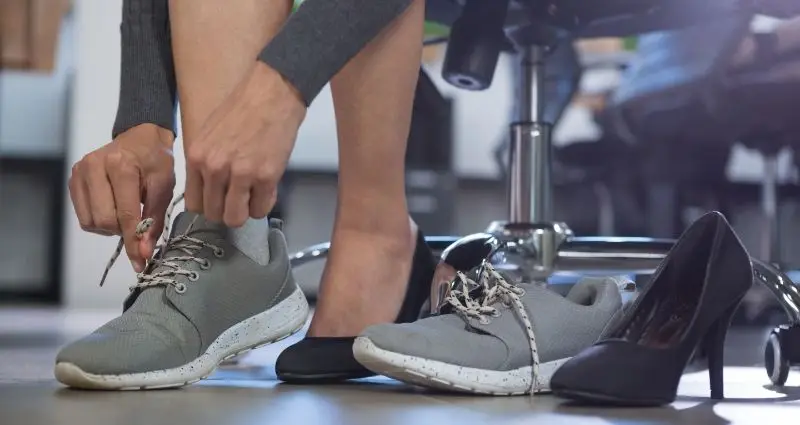
To prevent heel pain, it is important to adopt specific preventive measures:
- Maintain a healthy weight;
- Always wear comfortable shoes suitable for the activities you are doing;
- Use orthopedic insoles to correct any foot misalignments;
- Practice regular stretching and strengthening exercises for your foot muscles;
- Avoid strenuous activity on hard surfaces.
With proper prevention, you can significantly reduce the risk of developing ankle and heel problems, as well as any potential functional imbalances. Having a healthy foot improves your quality of life, preventing diseases affecting other joints.
SmartHallux: the solution for ankle and heel pain

SmartHallux , a leader in the treatment of foot and ankle conditions, has developed innovative techniques for the surgical treatment of these problems.
Through three small "holes" osteotomies are performed which are fixed with a small titanium screw, allowing for a quicker recovery, greater precision of correction, a practically zero risk of recurrence and less post-operative swelling.
In general, the minimally invasive procedures offered by SmartHallux specialists, under the guidance of Dr. Luigi Manzi, guarantee short recovery times. To meet all patient needs, SmartHallux offers various types of consultations: from in-office visits to home visits, SmartHallux supports its patients from diagnosis to post-operative recovery. Book your specialist consultation now at one of our locations throughout the country.