
Heel Hyperkeratosis: How to Recognize, Treat, and Prevent It
Have you noticed an annoying thickening of the skin on your heel? Perhaps accompanied by cracking or pain? You may be dealing with heel hyperkeratosis.
By Dr. Luigi ManziUpdated on
Have you noticed an annoying thickening of the skin in the heel area? Perhaps accompanied by cracking, pain, or even small cuts? You may be dealing with heel hyperkeratosis , a common but often overlooked condition that can worsen over time if not treated properly.
What is hyperkeratosis and why does it affect the heel?
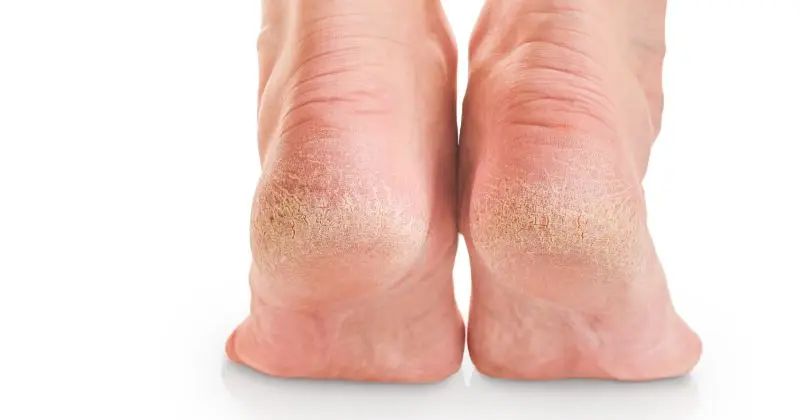
The term "hyperkeratosis" refers to an excessive accumulation of dead cells in the outermost layer of the skin. On the heel, this condition manifests as thickened, hard, sometimes yellowish or grayish skin, which can become painful or inflamed. In some cases, actual calluses, corns , or, in more severe cases, plantar warts develop.
Why does it occur? The most common cause is excessive pressure or rubbing in the heel area. But other contributing factors include poor posture, ill-fitting shoes, excess weight, flat feet, or metabolic conditions like diabetes.
What are the symptoms you shouldn't ignore?

The most common signs include extreme dryness, cracking, pain when walking , and, in more advanced cases, small cuts that can become infected. The skin becomes visibly thicker and less elastic. If left untreated, it can lead to infections or cause changes in gait to compensate for the pain.
How is it diagnosed and treated?

The first step is an evaluation by a specialist. The doctor, often an orthopedist or podiatrist, will examine the affected area, take a medical history, and, if necessary, rule out other conditions such as Haglund's disease or heel spur.
Treatment varies depending on the severity:
- In mild cases: foot baths with bicarbonate, gentle exfoliation, constant application of moisturizing creams technical
- In chronic cases: topical treatments with keratolytics, customized orthoses to reduce pressure
- In more complex cases: it is possible to evaluate the surgical removal or dermatological laser treatments
Is it possible to prevent it?
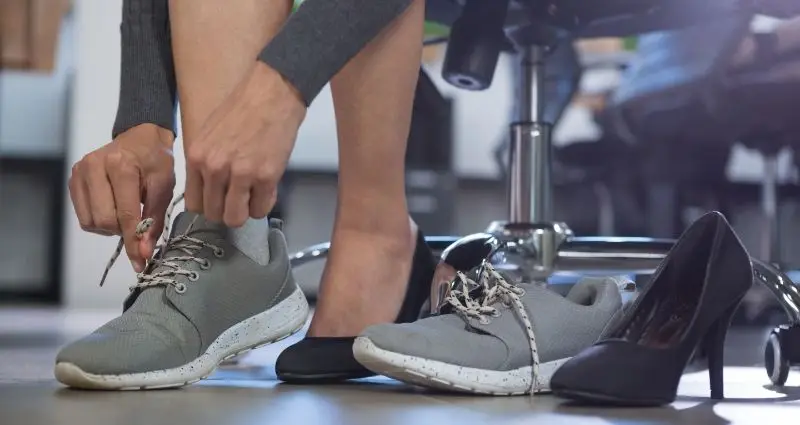
Absolutely. The secret lies in daily foot care . Wearing more comfortable shoes, regularly moisturizing your heels, avoiding walking barefoot on hard surfaces, and correcting any postural problems are all helpful strategies.
Furthermore, if the skin on the foot thickens , it is advisable to intervene immediately: waiting for the problem to become painful complicates treatment and lengthens healing times.
What if the situation doesn't improve?

When home or topical remedies aren't enough, it's important to rely on an expert team. SmartHallux , led by Dr. Luigi Manzi, offers a comprehensive approach: accurate diagnosis, targeted treatments, and—if necessary—rapid, minimally invasive surgery in specialized clinics.
SmartHallux: The benefits of surgery with Dr. Luigi Manzi
Heel hyperkeratosis is more than just a cosmetic problem: it's a warning sign for those who neglect their foot health. Early intervention is the best way to avoid pain, infections, or difficulty walking. Trusting professionals means taking a step in the right direction: that of daily well-being.
The SmartHallux team treats conditions such as hallux valgus , Morton's neuroma , and other deformities that cause foot pain. Providing comprehensive support throughout the treatment process, including post-operative recovery, SmartHallux can be a winning choice for effective treatment tailored to your needs. Book (opens in a new tab) your specialist consultation with the SmartHallux team now.
FAQ
What is heel hyperkeratosis?
It's a thickening of the skin due to the accumulation of dead cells. It can cause pain, cracking, and complications if left untreated.
Are there any natural remedies?
Yes: foot baths, baking soda, pumice stone, emollient creams. But if the problem persists, it's best to consult a doctor.
Is any specific treatment needed?
It depends on the cause. In many cases, hydration and suitable footwear are sufficient. Otherwise, pharmacological or surgical therapies are considered.