
Heel bursitis: comprehensive information on causes, symptoms, treatment, and prevention.
Heel bursitis is inflammation of the bursa at the back of the heel, causing pain and swelling. The causes, how it is treated and how to prevent it.
By Dr. Luigi ManziUpdated on
Heel bursitis is a condition characterized by pain in the back of the heel. The intensity of the pain can vary greatly, from mild discomfort to severe pain. This painful condition affects anyone who puts a lot of stress on their feet, such as runners.
How to recognize heel bursitis
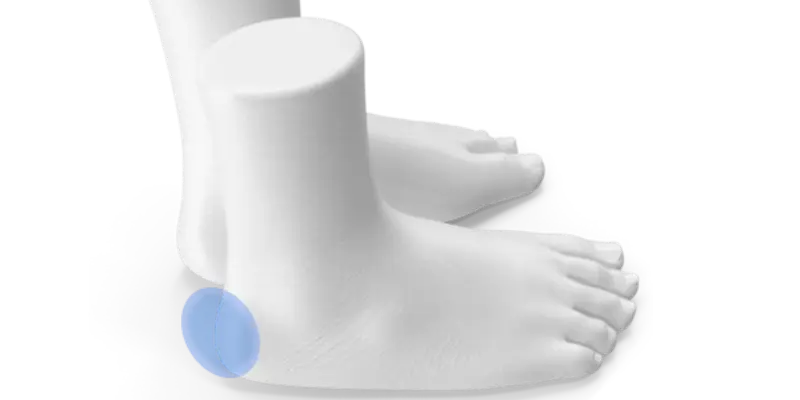
This disorder affects the heel area, more precisely the posterior area of the calcaneus and the bursa, that is, the small sac of fluid located between the Achilles tendon and the heel bone and which has the function of reducing friction, facilitating the movement of the tendon over the bone.
Inflammation causes a painful sensation that can be felt even with light pressure. The pain can worsen during physical activity, but also after relatively short periods of inactivity, such as in the morning after sleeping. Another characteristic symptom of heel bursitis is swelling, often accompanied by redness or other signs of inflammation, especially in more severe cases.
What causes heel bursitis and how long does it last?

There's no single cause for the onset of this condition. Certainly, the anatomy of the foot can significantly influence the predisposition to the onset of heel bursitis.
Furthermore, when the foot continues to roll inward during walking even after impact (overpronation), the likelihood of heel bursitis increases.
Generally, however, intensive running is the main cause of this condition. Running places significant stress on the heel area. This causes chronic irritation of the bursa between the Achilles tendon and the calcaneus, triggering the inflammation in question. The risk of developing bursitis increases for those who land incorrectly and adopt poor running technique.
As is often the case with foot problems, wearing inappropriate footwear that doesn't provide the support, cushioning, and stability needed to protect the foot from pressure and friction can also cause bursitis.
This condition has a variable duration, depending on the severity of the condition and how it is managed. If treatment is effective, the discomfort associated with heel bursitis may improve within a few weeks. For this very reason, it is essential to identify the problem as early as possible, reading the signals our body is sending us, and taking all necessary measures.
Heel bursitis: treatments

Treatments for bursitis can vary greatly, as can their effectiveness. To determine the necessary healing time, the severity of the condition must first be assessed.
Rest is essential. Even if you only suspect chronic irritation of the bursa between the Achilles tendon and the heel bone, it's essential to suspend all sporting activities and avoid overloading the foot.
Applying ice to the inflamed area can be a valuable ally in reducing swelling. If this isn't enough, medical treatment should be considered, including anti-inflammatories or the application of a specific ointment for heel bursitis.
In any case, treatment is aimed at reducing inflammation, but it must be combined with the use of special footwear that can reduce pressure and control the incorrect foot movement that contributes to posterior heel irritation. If you don't want to buy a pair of shoes designed to stabilize the heel, you can opt for special devices inside the shoes (orthotics), such as foam or felt heel cups, or a protective gel pad.
SmartHallux: for the care of your feet

When these remedies aren't effective, or when bursitis is severe or recurring, surgery may be necessary to remove the inflamed bursa. SmartHallux centers offer personalized treatments for heel bursitis and other foot conditions. An expert will perform a comprehensive assessment to identify the causes of bursitis and plan the best treatment, including a personalized rehabilitation program. Book your specialist consultation now at one of our locations nationwide.