
Achilles Tendonitis Insoles: Support and Relief for Your Pain
Insoles and heel lifts for Achilles tendonitis reduce the strain on the tendon. Which ones help, how to choose them and when they are not enough.
By Dr. Luigi ManziUpdated on
Pain behind your heel or calf? The right insole can make all the difference. Achilles tendonitis is an inflammation of the Achilles tendon, one of the strongest tendons in the human body but also among the most susceptible to overload. When this tendon becomes inflamed, even walking can become difficult. Fortunately, Achilles tendonitis insoles are one of the most effective solutions for relieving pain and promoting healing.
What is Achilles tendinitis?
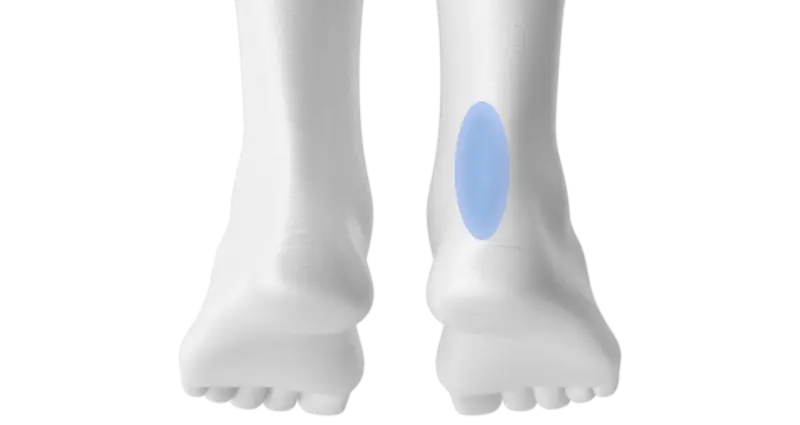
It's a condition in which the tendon that connects the calf muscles to the heel becomes irritated or damaged. This can happen due to:
- Overloads due to sports activity
- Inappropriate footwear
- Sudden increase in physical intensity
- Postural problems or pre-existing conditions such as flatfoot o heel spur
The most common symptoms include localized pain, swelling, and a feeling of stiffness upon waking.
When is the insole useful?
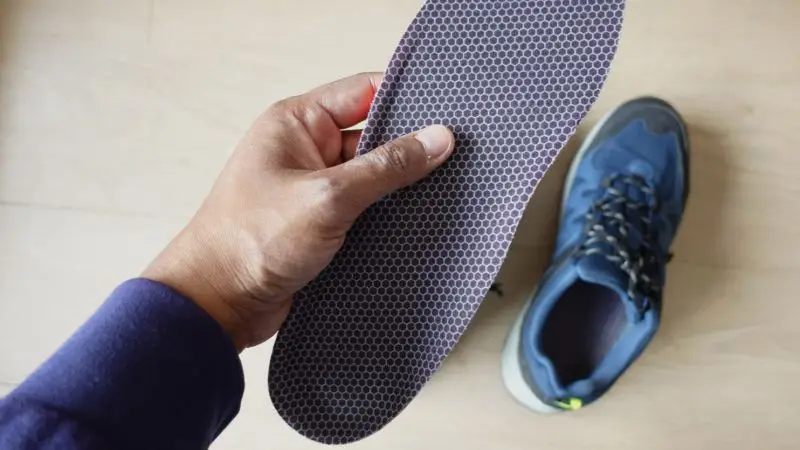
The Achilles tendonitis insole helps relieve tension from the tendon, reduce microtrauma, and improve foot alignment. It is particularly useful:
- In the acute phase, to relieve pain
- During walking or sports activities, to prevent worsening
- In post-treatment, to avoid relapses
Types of insoles for Achilles tendonitis
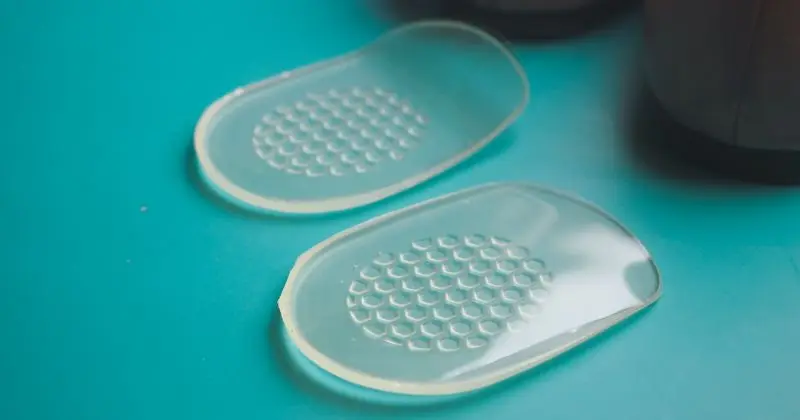
Not all insoles are created equal. The most suitable for Achilles tendonitis are:
1. Support orthosis
Custom-designed, they support the entire arch of the foot and reduce stress on the tendon.
2. Heel cup
Inserted into the shoe, they slightly increase the height of the heel, reducing traction on the tendon.
3. Insoles with varus wedge
Ideal in case of overpronation , they help correct the support and improve the dynamic posture of the foot.
Characteristics of effective insoles
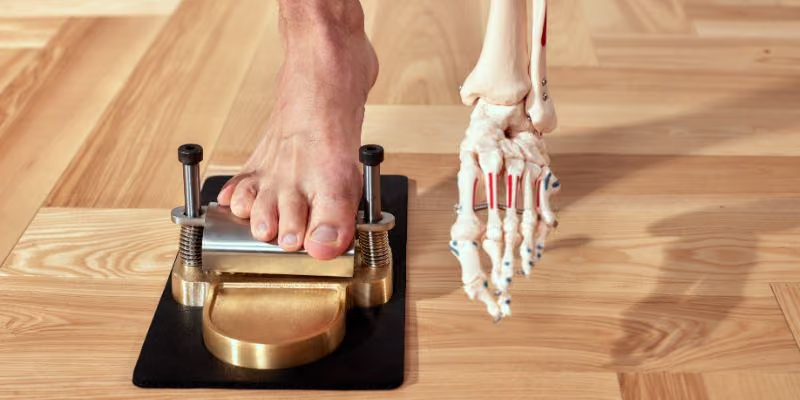
A good tendonitis insole should:
- Have excellent shock absorption
- Provide arch support
- Be made with soft and comfortable materials
- Be customized or at least adjustable to fit the patient's gait
How to choose the right insole?
It's important:
- Get evaluated by an experienced doctor or physiotherapist
- Consider your habits (sports, work, type of footwear)
- Try different models, especially if you buy pre-formed insoles
The ideal solution, however, remains a custom-made insole, designed based on an examination of the gait.
Benefits of Achilles Tendonitis Insoles

The advantages are many:
- Reduction of pain while walking
- Better load distribution
- Postural correction
- Greater support during physical activity
- Prevention of further inflammatory episodes
Helpful tips for managing tendonitis

- Run regular stretching of the calf and Achilles tendon
- Use technical footwear with good support
- If necessary, reduce body weight
- Apply ice after physical exertion and follow the advice of your physiotherapist.
When to see a doctor?

If the pain is:
- Intense or persistent
- Accompanied by obvious swelling
- It gets worse when walking or climbing stairs
A specialist visit is essential to avoid complications such as tendon rupture.
SmartHallux: When to see a specialist?

An Achilles tendonitis insole may seem like a simple solution, but there's a real therapeutic strategy behind it. Investing in the right insole means taking care of your body, starting from the foundation: your feet. Reducing pain, preventing complications, and regaining freedom of movement is not only possible, but often easier than you think.
The SmartHallux team treats conditions such as hallux valgus , Morton's neuroma , and other deformities that cause foot pain. Providing comprehensive support throughout the treatment process, SmartHallux can be a winning choice for effective treatment tailored to your needs. Book your specialist consultation with the SmartHallux team now (opens in a new tab).
FAQ
What is the best treatment for Achilles tendonitis?
It depends on the severity. In mild cases, rest and physical therapy are sufficient. In severe cases, surgery may also be necessary.
How long does it take to heal?
4 to 6 weeks in mild cases. If left untreated, tendonitis can become chronic and require several months of treatment.
Do insoles cure tendonitis on their own?
No, but they can significantly reduce pain and prevent recurrences if combined with physical therapy and stretching.