
Metatarsal Bursitis: What It Is, How to Treat It, and When to See a Specialist
Metatarsal bursitis is inflammation of the small fluid-filled sacs under the ball of the foot. The causes, the symptoms and how it is treated.
By Dr. Luigi ManziUpdated on
Pain in the ball of the foot is a common and often overlooked complaint. It can occur after long walks, as a result of wearing ill-fitting shoes, or without any apparent cause. In many cases, the culprit is an inflammatory condition called metatarsal bursitis , which affects the bursae located between the metatarsal bones and the surrounding tissues.
These are small, fluid-filled sacs, naturally present in the body, which reduce friction and facilitate movement. When these sacs become inflamed, even a simple step can become painful.
Why does the metatarsal become inflamed?

Metatarsal bursitis can have many causes. One of the most common is prolonged use of unsuitable footwear, such as tight shoes, shoes with rigid soles, or shoes without arch support. Altered posture, flat feet or valgus feet , arthritis, and repeated microtraumas can also contribute to the onset of inflammation.
In some cases, bursitis is secondary to other conditions such as hallux valgus , Morton's neuroma , or chronic metatarsalgia .
What are the symptoms?

The main symptom is pain localized in the forefoot, at the top of the metatarsals. The discomfort increases with walking, prolonged standing, or wearing tight shoes. Sometimes, swelling, warmth, or even redness may be noted in the inflamed area. In more severe cases, the pain may also radiate toward the toes.
How is the diagnosis made?

Often, a specialist visit is sufficient to diagnose metatarsal bursitis. The doctor assesses the foot under weight, palpates the painful areas, and, if necessary, orders further tests such as an X-ray , ultrasound , or MRI , which are useful for ruling out other pathologies and assessing the extent of the inflammation.
What to do to relieve the pain?

In conservative treatment, the goal is to reduce inflammation and protect the affected area. Rest, combined with the application of ice and the use of anti-inflammatory medications , may be sufficient in milder cases. This is complemented by the use of customized orthotics , which reduce pressure on the metatarsal and rebalance the load.
In resistant cases, localized corticosteroid injections or, rarely, surgery may be used . Post-operative recovery always includes a rehabilitation program to prevent recurrences and restore foot function.
How to prevent metatarsal bursitis
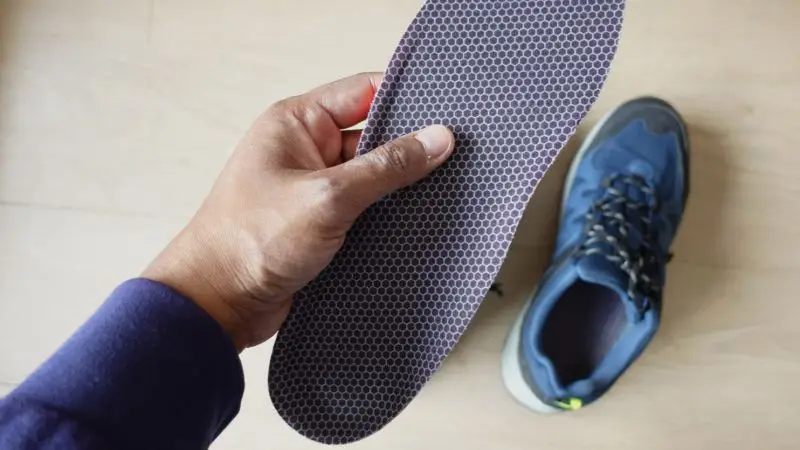
Prevention starts with small daily steps: choosing comfortable, well-cushioned shoes , avoiding long-term high-heeled shoes, and not neglecting any foot pain. Maintaining a healthy body weight also helps reduce stress on the metatarsals. Moderate physical activity and regular stretching can be helpful in maintaining tissue elasticity and improving local circulation.
The SmartHallux approach: when to consult a specialist

If foot pain persists for more than a few days, worsens, or is associated with swelling and functional limitation, it's time to see a specialist. Ignoring the symptoms can lead to chronicity or the onset of complications, such as joint deformity or arthritis.
The SmartHallux team treats conditions such as hallux valgus , Morton's neuroma , and other deformities that cause foot pain, including metatarsal bursitis . Thanks to minimally invasive surgery, personalized recovery protocols, and the use of advanced technologies (such as stem cells for inflammatory treatment), patients can count on a rapid, effective, and minimally invasive treatment.
Book (opens in a new tab) your specialist visit now with the SmartHallux team.