
Metatarsalgia Insoles: What They Are and Why They Can Really Help You
Metatarsalgia insoles redistribute pressure away from the painful ball of the foot with a metatarsal pad and arch support. How they work and how to choose.
By Dr. Luigi ManziUpdated on
Do you ever feel pain in the ball of your foot, under your toes, whenever you stand for too long or walk for a long time? That burning sensation or pinpoint discomfort under the ball of your foot might have a specific name: metatarsalgia . It's a more common condition than you think, and if not treated properly, it can turn every step into a minor torture.
Let's take a look at what it is, what causes it, and why metatarsalgia insoles can make a big difference in pain management.
What is metatarsalgia?

Metatarsalgia is an inflammation or overuse of the metatarsal heads , the bones located at the front of the foot, just behind the toes. It can present as a sharp pain or a widespread discomfort, often described as a "pebble in the shoe" or a constant burning sensation under the ball of the foot.
Why does it appear?

There are many causes, but they all revolve around one concept: excessive pressure on the forefoot . This can occur due to:
- prolonged use of tight or high-heeled shoes,
- flatfoot or hollow foot,
- hallux valgus, hammer toes or other deformities,
- overweight,
- intense sports activities or walking on hard surfaces,
- pathologies such as arthritis or arthrosis that affect the metatarsal joints.
Symptoms to watch for

The main symptom is pain localized in the forefoot , often bilateral, which worsens with standing, walking, or wearing rigid shoes. It is sometimes accompanied by numbness in the toes , tingling, or a popping sensation inside. If the condition lasts for weeks or months, the pain may become constant.
How is the diagnosis made?

During the examination, the doctor will evaluate posture, gait, and foot placement. In some cases, he or she may request tests such as X-rays to rule out stress fractures or abnormal alignments, or an MRI if the presence of other pathologies, such as Morton's neuroma , is suspected.
What to do to treat it?
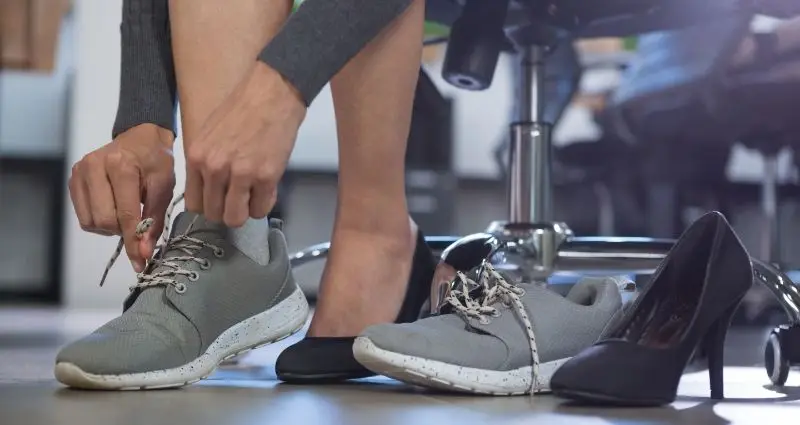
The first step is to reduce stress on the forefoot . This is achieved by:
- comfortable shoes, with shock-absorbing soles and wide toes,
- rest and application of ice in acute phases,
- physiotherapy aimed at strengthening the foot muscles,
- anti-inflammatory drugs, when the pain is severe.
In some cases, cortisone injections may be used to reduce inflammation. If this isn't enough, surgery is considered.
The role of insoles in metatarsalgia
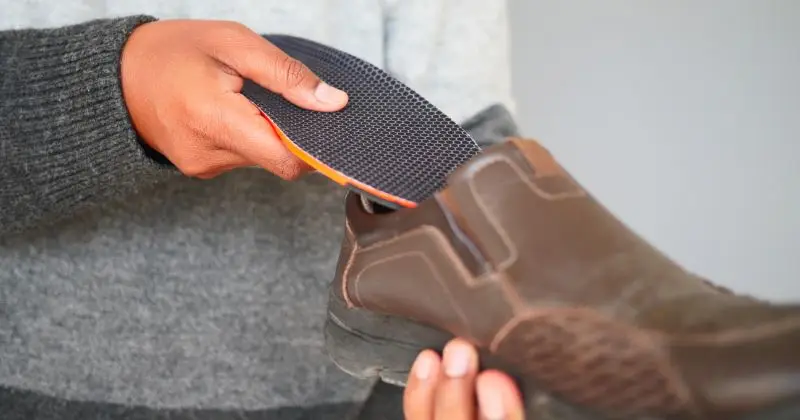
Among the most effective – and often underestimated – solutions are orthopedic insoles . In the presence of metatarsalgia, insoles have three fundamental objectives:
- distribute weight better, relieving pressure on the metatarsal heads,
- provide support to the arch of the foot to improve the biomechanics of the foot,
- cushion the impact while walking, reducing daily microtrauma.
Generic insoles exist, but for real benefits it is preferable to rely on custom-made insoles , designed based on the shape of the foot and the type of metatarsalgia (overload, mechanical, inflammatory, etc.).
SmartHallux: Pain under your foot? Don't wait.

Metatarsalgia isn't a problem to be "kept at bay." It's a warning sign that your foot isn't working properly. Dr. Luigi Manzi , a specialized orthopedic surgeon, can help you understand the source of your pain and develop a personalized treatment plan, which often begins with a good insole.
The SmartHallux team treats conditions such as hallux valgus , Morton's neuroma , and other deformities that cause foot pain. Providing comprehensive support throughout the treatment process, SmartHallux can be a winning choice for effective treatment tailored to your needs. Book your specialist consultation with the SmartHallux team now (opens in a new tab).
FAQ
Does metatarsalgia heal on its own?
Not always. If caused by temporary overload, it may improve, but if related to deformity or poor posture, it requires targeted treatment.
Do insoles work for everyone?
When customized and used consistently, they often provide significant relief. Their effectiveness is enhanced when combined with physical therapy and posture correction.
Is surgery necessary?
Only in the most severe cases, when the deformity is significant or the pain is resistant to conservative treatments.