
Nail in the foot: what to do after a puncture wound
Stepped on a nail? A puncture wound in the sole of the foot can carry infection and tetanus risk. How to clean it and when to see a doctor.
By Dr. Luigi ManziUpdated on
Have you gotten a nail stuck in your foot, or are you worried you might have? It happens more often than you think. Simply walking barefoot in the garden, getting distracted while working, or playing sports outdoors can lead to a foreign body lodged in the sole of your foot. But what should you do in these cases? Is it always necessary to see a doctor? And what happens if the wound becomes infected?
In this article, you'll find a clear and reliable guide on what it means to have a toenail, how to recognize it, the risks, and how to treat it effectively.
What does it mean to have a nail in your foot?

When we talk about a "nail in the foot," we generally mean a sharp object (such as a nail) that penetrates the sole of the foot. It is therefore a foreign body that can cause a wound of varying depth and, in more severe cases, even local or systemic infections.
Caution : In some cases, the same expression can also refer to a bacterial infection of the toenail, caused by the bacterium Pseudomonas aeruginosa . This article focuses on the first meaning, namely perforation trauma.
The most common causes

A nail in the foot is often the result of:
- Walking barefoot in unsafe places, such as gardens or construction sites
- Domestic or work-related accidents
- Sports activities on uneven terrain
Wearing open or worn footwear increases the risk, as does working in environments where it is easy to come across sharp objects left on the floor.
Symptoms not to be underestimated

Immediately after the injury you may experience:
- Sharp pain at the site of the wound
- Local bleeding
In the following days, if the wound is not treated properly, the following may appear:
- Swelling and redness
- Throbbing pain
- Presence of pus
- Fever (in case of advanced infection)
How is the diagnosis made?

The doctor performs a physical examination to assess the depth and location of the wound. If the foreign body is not visible or if a deep infection is suspected, he or she may order an X-ray to ensure there are no fragments remaining in the foot.
Nail removal: how is it done?
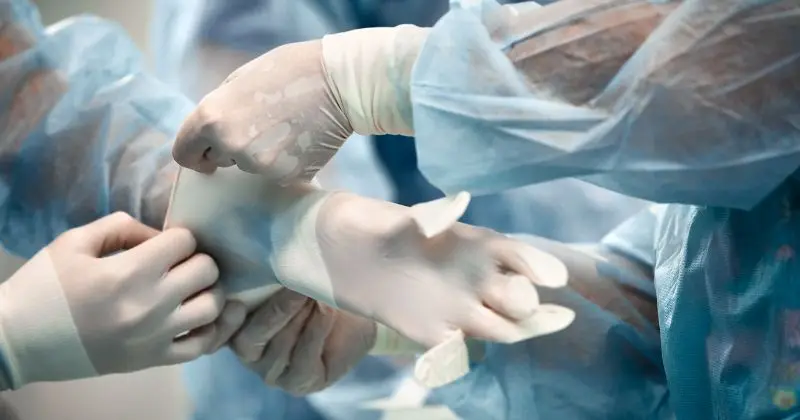
In very superficial cases, it may be possible to remove the nail yourself, but it's always best to consult a healthcare professional. Removal in the office is done under local anesthesia, followed by disinfection, extraction, and sterile dressing. Your doctor may also recommend tetanus prophylaxis if you're not vaccinated.
How infections are treated

If the wound becomes infected, we resort to:
- Topical antibiotics in mild cases
- Oral or injected antibiotics in more severe cases
- Painkillers to manage the discomfort
- Daily cleaning with disinfectant solutions
It is important to follow your doctor's instructions and monitor the evolution of your symptoms.
Possible complications
A neglected wound can progress to more serious infections, including deep tissue or nerve involvement. The most common complications include:
- Extensive infections
- Tetanus
- Nerve damage in the foot area
How to prevent this type of injury

- Wear closed, sturdy shoes if you work or walk in risky environments
- Avoid going barefoot in gardens or public places
- Regularly clean floors and passageways at home and at work
SmartHallux: When to See a Doctor

If after the injury you have:
- Severe and persistent pain
- Bleeding that doesn't stop
- Signs of infection (heat, pus, fever)
Don't wait: early intervention can avoid complications.
The SmartHallux team treats conditions such as hallux valgus , Morton's neuroma , and other deformities that cause foot pain. Providing comprehensive support throughout the treatment process, SmartHallux can be a winning choice for effective treatment tailored to your needs. Book your specialist consultation with the SmartHallux team now (opens in a new tab).
FAQ
What is a nail in the foot?
It's an injury caused by a foreign body (often a sharp object) penetrating the sole of the foot. It can cause pain, infection, and, in severe cases, more serious complications.
How is it treated?
Removal must be performed by a doctor, who may prescribe antibiotics or other medications. In rare cases, minor surgery may be necessary.
How can it be prevented?
Wearing appropriate footwear, keeping environments clean, and paying attention during manual or outdoor activities significantly reduces the risk.