
Osteoarthritis on X-rays: What you need to know to understand your diagnosis
Can osteoarthritis be seen on an X-ray? Yes: joint space narrowing, osteophytes and bone sclerosis are the signs. What they mean for your foot or ankle.
By Dr. Luigi ManziUpdated on
Have you been prescribed an X-ray for joint pain? It's normal to be a little worried.
In my office, I often see patients who come in with their referral in hand, perhaps after weeks of pain in their foot, ankle, or other joints, and ask me, "Doctor, can you see arthritis on an X-ray?" Well, today I want to explain just that to you. In simple terms, without mincing words.
X-rays remain one of the most valuable tools we have for diagnosing osteoarthritis. Simple, quick, and incredibly informative when you know how to read them.
What is osteoarthritis and why does it hurt so much?
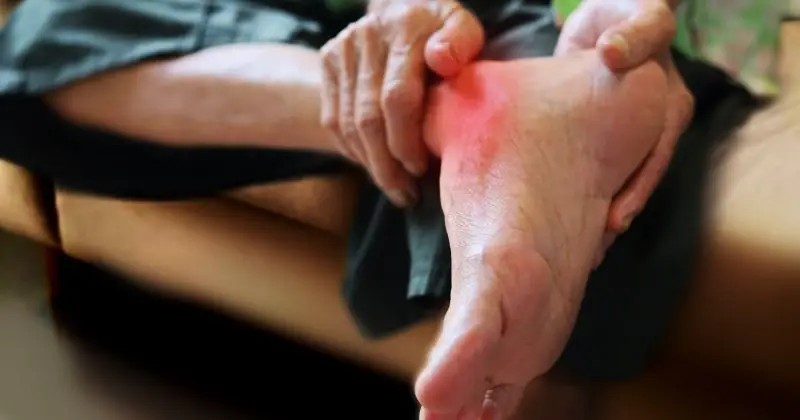
Osteoarthritis is essentially a wear-and-tear process. Think of cartilage like the tread of a tire: over time, it wears down.
This cartilage is the smooth, slippery tissue that lines the ends of bones in joints. When healthy, it allows bones to move against each other without friction, as if they were lubricated. But when it starts to deteriorate? That's when the problems begin.
Osteoarthritis pain has unique characteristics. It's usually worse in the morning—"Doctor, the first steps are terrible," patients often tell me. Then, after warming up the joint, it improves a little. But be careful: as the day progresses and activity increases, it returns.
What do we see in the osteoarthritis x-ray?
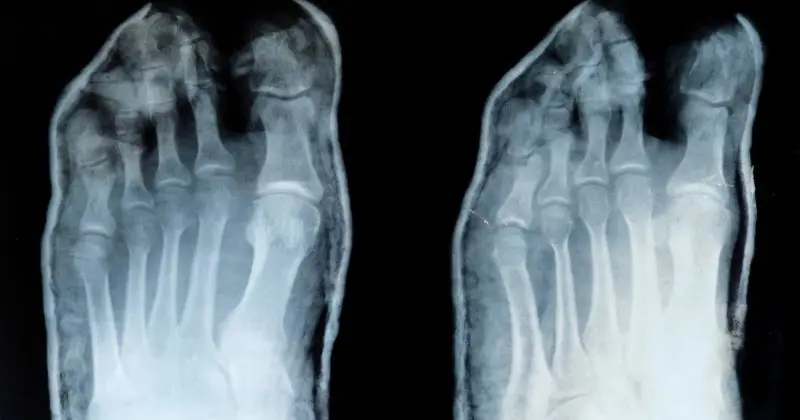
Now let's get to the point. When I look at an X-ray for suspected osteoarthritis, I look for four main signs. I'll explain them to you as I would if you were sitting in my office.
**Narrowing of the joint space** is the first sign that catches the eye. Normally, there's a clearly visible space between one bone and another—that's where the cartilage is. When the cartilage thins, this space narrows. It's as if the bones are moving closer and closer together.
Osteophytes are what we commonly call "bone spurs" or "parrot's beaks." The body, in an attempt to stabilize a damaged joint, forms these small bony spurs at the edges of the joint. It's a defense mechanism, although it often contributes to pain and stiffness.
**Subchondral sclerosis** is a thickening of the bone beneath worn cartilage. It appears whiter on X-rays because the bone is becoming denser, as if the body is trying to strengthen that area.
**Geodes** are small "bubbles" or cavities that form in the bone. They are areas where increased pressure has created these empty spaces.
Symptoms that lead to x-ray

Most patients come to me after having lived with the symptoms for a while. The pain is what scares them the most, obviously.
But there's also the morning stiffness—that "rusty" feeling in the joints as soon as you wake up. Then the swelling, which sometimes comes and goes. And the progressive difficulty in movement: "I can't walk like I used to, doctor."
What many people don't know is that osteoarthritis can progress slowly, almost unnoticed, for years. Until one day you realize that climbing stairs has become a problem. Or that the pain in your foot is relentless.
How we make the diagnosis

Diagnosing osteoarthritis isn't based on X-rays alone. This is important to understand.
First of all, let me talk to you. Your history is crucial: how long have you had pain? When is it worse? What makes it better? Have you had any injuries? Do you do work that puts strain on certain joints?
Then comes the physical exam. I watch how you walk, check the mobility of your joints, and see if there's any swelling or deformity. I listen for any unusual noises during movement—what we call "crepitus."
Only at this point do we prescribe an X-ray. And here, the osteoarthritis X-ray becomes truly valuable because it confirms what we clinically suspect and also tells us how advanced the process is.
Sometimes, in more complex cases or when X-rays aren't enough, we may request an MRI or CT scan. But in most cases, a simple X-ray provides all the information we need.
Treatment options available

Once the diagnosis is confirmed, what can be done? Now that's the million-dollar question.
Let's start with an uncomfortable truth: osteoarthritis isn't curable, meaning we can't regrow worn-out cartilage. But we can do a lot to manage the symptoms and slow its progression.
Anti-inflammatory drugs can help in acute phases. But be careful: they're not a long-term solution. I use them to "put out the fire," but then we need to address the underlying cause.
Physical therapy is essential. A good therapist can teach you specific exercises to maintain mobility and strengthen the muscles that support the joint. It's a long-term investment that's always worth making.
In more severe cases, when pain becomes disabling and functionality is compromised, we may consider surgery. Joint replacements are highly advanced today, especially for the foot and ankle.
The recovery journey

Let's face it: osteoarthritis is a chronic condition. It doesn't disappear overnight. However, with the right approach, quality of life can significantly improve.
I have patients who have been living with osteoarthritis for years and lead completely normal lives. The secret? Catching it early and managing it well.
Prevention is better than cure

There are things you can do to reduce your risk of developing osteoarthritis or slow its progression.
Maintaining a healthy body weight is crucial. Every extra pound puts additional strain on your joints, especially those in your feet, ankles, and knees.
Regular physical activity—but not excessive—helps keep joints mobile and muscles strong. Walking, swimming, and cycling are excellent options.
And then there are small daily precautions: wearing comfortable and suitable shoes, avoiding repetitive movements that always overload the same joints, listening to your body when it signals tiredness.
SmartHallux: Where we can help you

Here at SmartHallux, we specialize in foot and ankle surgery. Dr. Luigi Manzi, who has extensive experience in this field, provides each patient with a personalized treatment plan using the most modern techniques.
We offer both conservative approaches and advanced surgical solutions, from minimally invasive techniques to state-of-the-art prosthetics. The important thing is to evaluate each case individually.
The SmartHallux team treats conditions such as hallux valgus , Morton's neuroma , and other deformities that cause foot pain. Providing comprehensive support throughout the treatment process, SmartHallux can be a winning choice for effective treatment tailored to your needs. Book your specialist consultation with the SmartHallux team now (opens in a new tab).
Questions you often ask me
Doctor, if the X-ray shows osteoarthritis, does that mean I'll have to have surgery?
Absolutely not. The presence of radiographic signs of osteoarthritis does not automatically mean surgery is necessary. Many patients manage the situation very well with conservative therapies. We only consider surgery when the pain is truly disabling and other options have failed.
Are osteoarthritis and arthritis the same thing?
No, they are two different things. Osteoarthritis is a degenerative process, linked to cartilage wear and tear. Arthritis is an inflammation that can have various causes—infectious, autoimmune, metabolic. Osteoarthritis is more common with age, while arthritis can also affect young people.
Are your symptoms getting worse?
Not necessarily. With proper management, many patients maintain a good quality of life for years. The important thing is not to wait for the situation to deteriorate too much before intervening.
Are any other tests necessary besides the X-ray?
It depends. X-rays are often sufficient for diagnosis. In special cases, we may request MRI or CT scans to obtain details on the soft tissues or to plan any interventions.