
Osteochondrosis: A Complete Guide
Osteochondrosis is a disorder of bone growth that affects the cartilage of joints, mainly in children and adolescents. The types, the symptoms and treatment.
By Dr. Luigi ManziUpdated on
Osteochondrosis is a disease affecting the bones and cartilage of the joints that can affect different parts of the body.
This pathology is particularly painful because it causes serious damage to the bone tissue located just under the cartilage of the joint; this results in the gradual deterioration of the affected joints.
Those most affected by osteochondrosis are children and adolescents , precisely because the pathology is more likely to occur during the growth phase; however, osteochondrosis can also affect adults.
The different types of osteochondrosis

Since this pathology can affect different parts of the body, due to various causes, there are different types of osteochondrosis which are classified, precisely, based on the part of the body affected.
- Legg-Calvé-Perthes disease: This is perhaps the most serious type of osteochondrosis and affects the hips; this type significantly affects the quality of life, because it seriously compromises leg mobility.
- osteochondrosis dissecans: affects the bone tissue and cartilage of joints such as the elbow, ankle and knee.
- Osgood-Schlatter disease: it mainly affects adolescents who play sports and involves the knee.
- Scheuermann's disease (osteochondrosis of the vertebral column): mainly affects the thoracic vertebrae and is more likely to affect young people during the growth phase.
The causes of osteochondrosis
There is no precise and unequivocal cause of osteochondrosis.
This pathology is essentially caused by a temporary interruption of the blood supply to the cartilage and the bone tissue connected to it, which will inevitably end in necrosis.
However, temporary blood flow impairment can be caused by several factors, namely:
- genetic predisposition: hereditary factors can always contribute to the development of any type of pathology and, obviously, also osteochondrosis.
- defects in bone growth: sometimes adolescent growth can occur too rapidly and this could compromise the normal development of the joints.
- repeated microtraumas: impact sports and stressful overloads can cause constant microtraumas to the joints.
The risk factors

In addition to the causes just listed, there are also several risk factors that tend to increase the likelihood of being affected by osteochondrosis.
As mentioned, playing high-impact sports or exercising too frequently can increase the risk of developing osteochondrosis. High-impact sports practiced too frequently, in fact, require repeating the same movements over and over again, which can cause constant microtrauma to the joints.
Not only microtraumas, but also traumas and injuries are among the most common risk factors. Severe joint injuries, in fact, severely weaken the tissues and predispose the area to the development of osteochondrosis.
Finally, age is also a risk factor. We've already mentioned how osteochondrosis affects children and adolescents more frequently . This is precisely because the growth phase is so crucial and delicate, and as a result, the likelihood of developmental problems is higher than in adults.
Symptoms of osteochondrosis

Depending on the severity and part of the body affected by osteochondrosis , its symptoms will be different.
This does not mean, however, that there are no symptoms common to all types of osteochondrosis, such as:
- stiffness of movements: causes a significant limitation of the mobility of the affected joint; the consequence is the annoying difficulty in carrying out normal daily activities and the near impossibility of performing even simple movements.
- weakness: closely linked to the stiffness of the joint; the inability to move naturally, in fact, causes a sensation of muscle weakness that involves the entire area surrounding the affected part;joint pain: often worsens with physical activity and improves with rest.
- swelling: limited to the affected part of the body; more significant swelling may also occur when the affected part is constantly involved in carrying out repetitive activities (such as ankles and knees, essential for body stability and walking).
Diagnosis of osteochondrosis
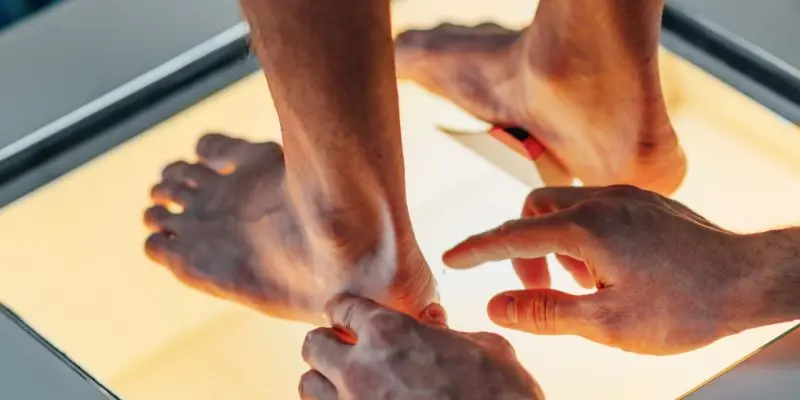
To intervene in time and prevent the worsening of osteochondrosis, it is essential to consult a doctor and obtain an early and accurate diagnosis.
By contacting a doctor, he will then proceed to carry out a diagnostic test which involves several steps.
Initially, a physical examination is performed to assess the patient's reported symptoms, such as pain and swelling, as well as checking the joint's mobility or any structural irregularities.
To obtain the most precise diagnosis possible, the doctor usually requests specific tests such as:
- radiographs: to detect joint space reduction and any bone alterations;
- computed tomography: or CT, to precisely observe the bone structure involved;
- magnetic resonance: thanks to which it is possible to obtain detailed images of soft tissues, as well as check the condition of bones and cartilage.
Differential diagnosis: what is it?
To be even more certain of obtaining an accurate diagnosis, a differential diagnosis is often also performed.
This type of diagnosis aims to exclude all other pathologies that present symptoms similar to the pathology in question.
Osteochondrosis in particular can often be confused with arthritis, bone infections, or stress fractures.
Treatments for osteochondrosis
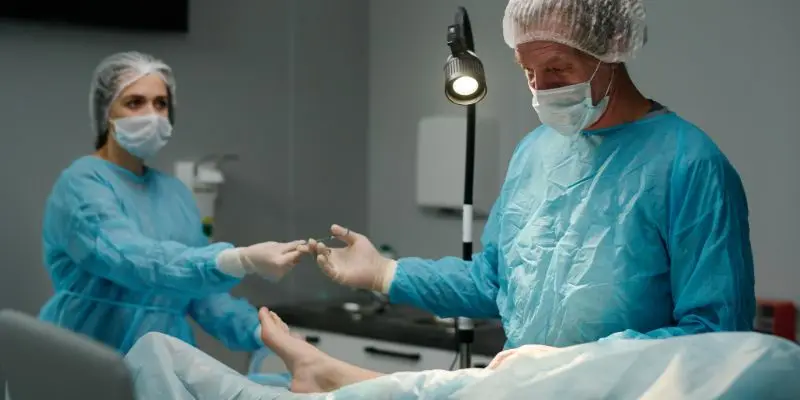
Depending on the age of the affected individual , the affected body part and the severity of the osteochondrosis , two different types of therapeutic approaches can be considered:
- conservative treatments
- surgical treatments.
Conservative treatments are chosen when osteochondrosis is not yet particularly serious and debilitating and are preferred by patients who prefer a less invasive therapeutic approach.
Conservative treatments include practices such as:
- rest e cold therapy (ice packs);
- reduction in impactful or excessively frequent physical activity;
- use of bandages e guardians (orthopedic insoles when osteochondrosis affects the ankles);
- taking nonsteroidal anti-inflammatory drugs;
- physiotherapy targeted and controlled by a specialist.
However, when conservative treatments fail to achieve the desired results or the osteochondrosis becomes too severe, surgery is considered. Surgical treatments, by their very definition, involve resolving the problem through surgery.
The main surgical interventions for the resolution of osteochondrosis are:
- osteotomy: involves repositioning the bone in such a way as to reduce pressure on the affected joint;
- arthroscopy: It involves the removal of bone fragments or damaged tissue; this is one of the most requested techniques by patients because it is considered minimally invasive;
- joint prosthesis: it is a real replacement of the affected joint.
SmartHallux: Innovation and Patient Care

Whether you choose conservative or surgical treatments to cure osteochondrosis, you should know that SmartHallux is the solution for you.
Always specialized in the treatment of pathologies affecting the feet and ankles , SmartHallux fights osteochondrosis with both cutting-edge surgical techniques and the best personalized conservative treatments tailored to each type of patient.
Under the guidance of internationally renowned surgeon Dr. Luigi Manzi , SmartHallux specialists put the patient's needs and expectations first and combat foot and ankle pathologies using the best, latest-generation tools.
Book your SmartHallux visit

Don't waste any more time and book your SmartHallux visit now.
Simply click here and choose how to conduct your visit: in person at one of SmartHallux's Italian locations or from the comfort of your own home.
Start taking care of the health of your feet and ankles and trust the SmartHallux specialists.