
Physical Therapy for Morton's Neuroma: What You Need to Know
Physical therapy for Morton's neuroma: calf stretching, footwear changes and metatarsal pads can reduce nerve compression. What to expect and its limits.
By Dr. Luigi ManziUpdated on
Do you feel like you have a pebble in your shoe, right between your toes? Only when you take it off, the pebble isn't there. And that pain that comes and goes, that makes you limp when you walk?
It could be Morton's neuroma. And yes, I know the name sounds scary, but don't worry: it's not a tumor. It's something very different, and, most importantly, it can be treated.
In my office, I see patients with this problem practically every week. And the question everyone asks me? "Doctor, can physical therapy for Morton's neuroma really help me?"
The answer is almost always yes.
What really is this blessed Morton's neuroma?
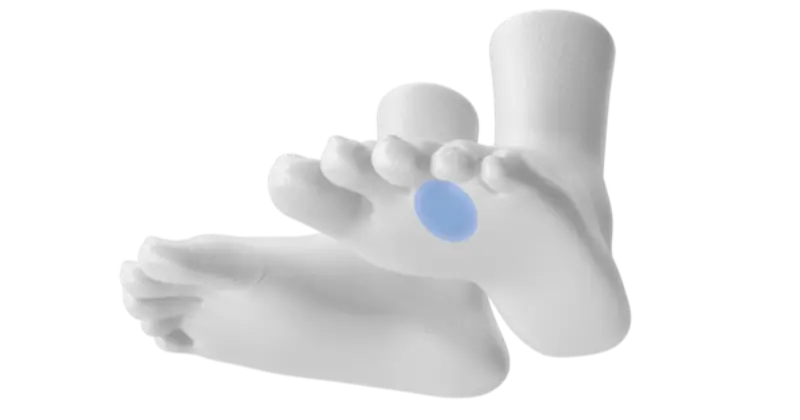
So, let's start with the basics. Morton's neuroma isn't really a neuroma—I know, the name is confusing! It's more accurately defined as perineuromatous fibrosis. Which translated means: the tissue around a nerve in the foot has thickened and become inflamed.
Imagine an electrical cable. If you squeeze it too hard for too long, the outer insulation swells and hardens. Something similar happens to the plantar digital nerve, usually the one that runs between the third and fourth toes.
Why exactly there? It's an area where the nerve makes a sort of "bifurcation"—it splits to innervate two different fingers. It's an anatomically more vulnerable point.
But why does this happen?
The causes? My goodness, I've seen it all over the years.
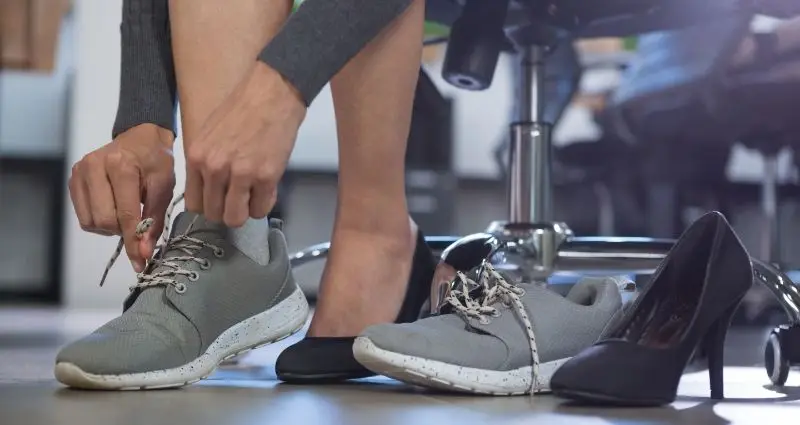
The main culprit is the wrong shoes. Those with narrow toes that squeeze the toes. High heels that push all your weight forward. I've had patients who had to stand all day in tight safety shoes for work—a disaster for their poor feet.
Then there are biomechanical problems. Flat feet, high arches, and hallux valgus. All conditions that alter the way we place our feet and can create abnormal pressure right in the area of the neuroma.
Intense physical activity, especially running and tennis, can help. But be careful: I'm not saying you should stop exercising! I'm saying you should wear the right shoes and use proper technique.
The symptoms you need to recognize
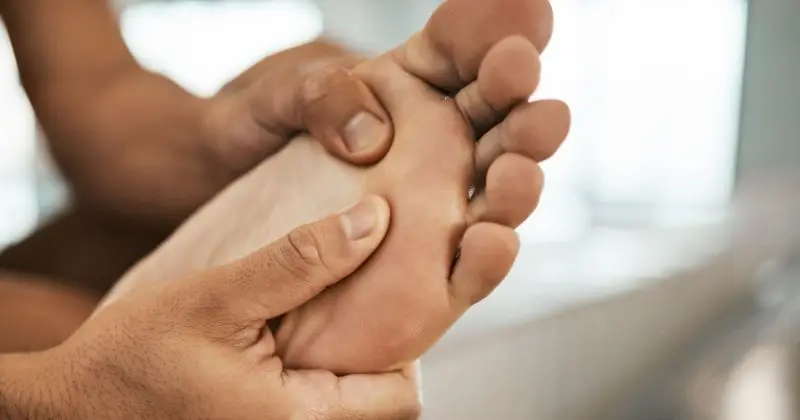
The pain is different. It's not like the pain from a sprain or a blow.
My patients describe it like this: “Doctor, it’s like I’m getting an electric shock that starts in my toes and travels down my foot.” Or: “It feels like I’m walking on a stone, but the stone is inside my shoe.”
Tingling is very common. It often affects the third and fourth toes, but can also extend to the second. Some patients tell me that their toes "go to sleep" when they stand for long periods.
Interestingly, the pain often improves when you take off your shoes and massage your foot. This is a fairly characteristic sign of Morton's neuroma.
How do I know if it's really a neuroma?
When a patient comes to my office with these symptoms, the first thing I do is a physical exam. It's essential.
There's a test we orthopedists do: the "squeeze test." I compress the foot laterally while pressing with the other toe on the area of the neuroma. If there's one, the patient literally jumps out of their chair—excuse my bluntness, but that's true!
Ultrasound has become my preferred diagnostic tool. It's quick, non-invasive, and allows me to clearly see the neuroma. I can also evaluate how it behaves during foot movement.
I use MRI less, usually only when I have diagnostic doubts or need to rule out other pathologies.
Treatments that really work
Now we come to the point that interests you most: how is it treated?
Treatment for Morton's neuroma almost always starts with changing your habits. First and foremost, your shoes. Wide, comfortable shoes with low heels. I know this isn't what you want to hear if you're a woman who loves heels, but it's true.
Custom orthotics can work wonders. I'm not talking about the ones you find at the supermarket, but rather custom-made orthotics that redistribute loads and "open up" the spaces between the metatarsals.
And here we come to Morton's neuroma physiotherapy, which is often underestimated but incredibly effective.
The physiotherapy exercises I always recommend
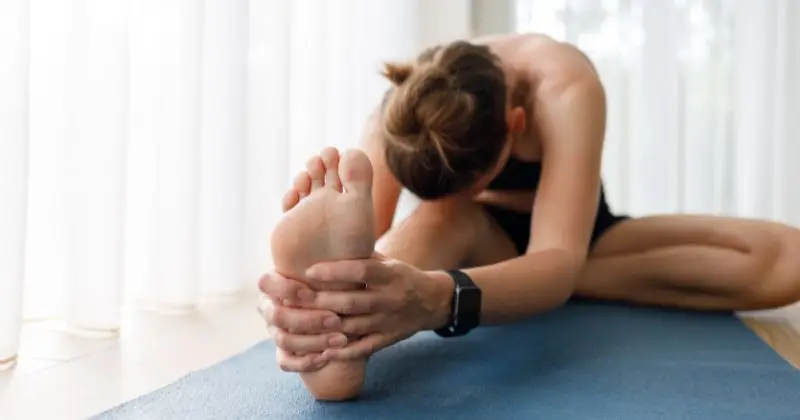
Physiotherapy for Morton's neuroma isn't just "do these exercises and it'll go away." It's a comprehensive approach that works on multiple fronts.
First, mobilization exercises. The foot must be able to move freely. Often, those with Morton's neuroma develop stiffness and compensations that worsen the situation.
Stretching exercises for the plantar fascia and calf muscles are essential. A tight calf completely alters the way the foot strikes.
Then there are specific exercises to "open" the intermetatarsal spaces. Movements that separate the toes, mobilizing the metatarsals independently of each other.
Strengthening the intrinsic foot muscles is crucial for Morton's neuroma rehabilitation. Weak muscles don't control foot movement well, creating instability and abnormal pressure.
When physiotherapy isn't enough
Sometimes conservative treatment isn't enough. In these cases, we have other options.
Cortisone injections can provide temporary relief and allow the patient to better adhere to the rehabilitation program. They aren't a permanent solution, but they can be very helpful.
In more resistant cases, surgery may be considered. It's a relatively simple procedure, but as always, I prefer to explore all conservative options first.
Prevention is always the best medicine

After years of experience, I can tell you that preventing Morton's neuroma is much easier than curing it.
Always choose comfortable shoes. The toe box should be wide enough to allow your toes to move freely. The heel should not exceed 4-5 cm.
If you play sports, invest in quality, specific shoes. And if you have foot support issues, don't wait until complications develop: get an evaluation.
Daily stretching exercises for your feet and calves can prevent many problems. Just a few minutes a day are enough.
SmartHallux: Where we can help you

Here at SmartHallux, we specialize in foot and ankle surgery. Dr. Luigi Manzi, who has extensive experience in this field, provides each patient with a personalized treatment plan using the most modern techniques.
We work in a team with physiotherapists specialized in foot rehabilitation to ensure the best possible results with both conservative treatments and surgery.
The SmartHallux team treats conditions such as hallux valgus , Morton's neuroma , and other deformities that cause foot pain. Providing comprehensive support throughout the treatment process, SmartHallux can be a winning choice for effective treatment tailored to your needs. Book your specialist consultation with the SmartHallux team now (opens in a new tab).
Questions you often ask me
Doctor, how long does it take to heal with physical therapy?
It depends on many factors: how long you've had the problem, your compliance with the exercises, and the severity of the neuroma. On average, I see significant improvements after 6-8 weeks of well-performed Morton's neuroma physiotherapy. But every case is different.
Can I continue to play sports?
In most cases, yes, but we need to change a few things: appropriate shoes, training surface, correct technique. Proper exercise doesn't worsen the neuroma; in fact, it can help.
Do infiltrations hurt?
I'll be honest: there's always a little discomfort. But it only lasts a few seconds and the relief it can provide is worth the temporary discomfort. I always use a local anesthetic to reduce the pain.
Is it true that after the operation I no longer feel anything in that area?
It's a possibility. The surgery involves removing the thickened nerve, so a numbing area may remain between the affected fingers. Most patients prefer this to the constant pain.