
Toe Diseases: Symptoms, Causes, and Effective Treatments
Toe diseases range from bunions, hammer toes and ingrown nails to gout, arthritis and infections. The symptoms, the causes and how each is treated.
By Dr. Luigi ManziUpdated on
When it comes to foot health, the toes are often overlooked. Yet, they are the ones that suffer from pressure, friction, repetitive motion, and constant strain every day. It's no surprise, then, that numerous toe conditions exist , often overlooked until the pain or deformity becomes debilitating.
What is meant by toe diseases?

This term encompasses various foot conditions that affect the toes: from structural conditions like hallux valgus or hammer toe , to inflammatory, traumatic, or neurological problems. They may be linked to genetic predispositions, poor posture, the use of ill-fitting footwear, or systemic diseases like diabetes.
The most common causes
Among the risk factors , we find:
- Biomechanical alterations of the foot (flat or high arch foot)
- Tight shoes or high heels
- Direct trauma
- Overweight
- Arthritis or other rheumatic diseases
Some conditions develop over time, others can arise quickly, such as following a fracture or sprain.
How do they manifest themselves?
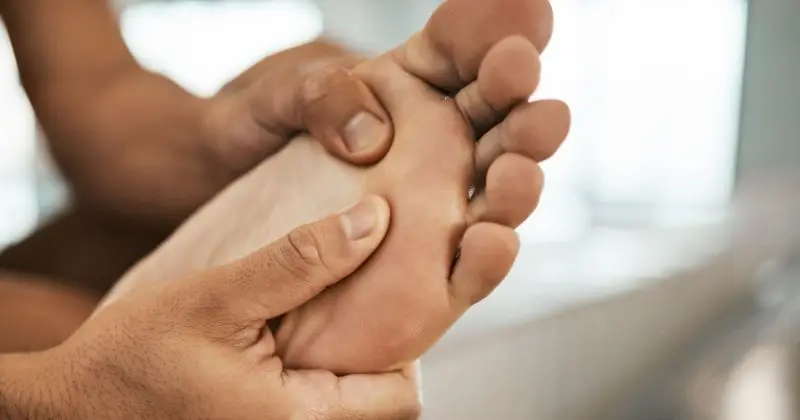
Symptoms vary depending on the pathology, but signs that should not be ignored include :
- Localized pain, especially during movement or under load
- Swelling and redness
- Visible deformities (deviated, shortened or stiff fingers)
- Tingling or numbness (as in the case of Morton's neuroma)
Over time, the condition can worsen, making it difficult to even walk or wear shoes.
Diagnosis: The key to effective treatment

Early diagnosis makes all the difference. A physical examination and posture assessment are the first steps. X-rays , ultrasounds , or more advanced tests are often useful to identify fractures, inflammation, or joint degeneration.
What treatments are available?

Treatment depends on the severity and cause. Conservative approaches may begin:
- Use of custom orthotics and insoles
- Anti-inflammatory drugs
- Physiotherapy and targeted exercises
- Orthopedic footwear
Prevention starts with daily habits:
- Choose comfortable shoes with the right support
- Take care of your feet regularly, especially if you have a valgus or flat
- Maintain a healthy body weight
- Pay attention to microtraumas and don't ignore the body's signals
When the pain is chronic or the deformity is advanced, surgery is considered. In this field, SmartHallux , under the guidance of Dr. Luigi Manzi, uses cutting -edge minimally invasive techniques that guarantee excellent, rapid results.
SmartHallux: How to prevent toe diseases?

Toe conditions should n't be underestimated. They can compromise mobility, posture, and quality of life. But with timely diagnosis and the right approach, you can find relief and return to pain-free walking.
The SmartHallux team treats conditions such as hallux valgus , Morton's neuroma , and other deformities that cause foot pain. Providing comprehensive support throughout the treatment process, including post-operative recovery, SmartHallux can be a winning choice for effective treatment tailored to your needs. Book (opens in a new tab) your specialist consultation with the SmartHallux team now.
FAQ
How are toe diseases treated?
It depends on the pathology. Treatments range from conservative therapies to surgery, always personalized to the patient.
Why do my toes hurt?
It could be bunions, neuromas, tendonitis, or simple overload. A medical evaluation is necessary.
How to prevent metatarsalgia?
Appropriate footwear, weight control, insoles, and physiotherapy can reduce the risk.