
Toe separators: the simple solution for bunions
Have you ever looked at your feet and noticed that your big toe is starting to "bend" toward your other toes and you start to feel the need for a toe separator?
By Dr. Luigi ManziUpdated on
Have you ever looked at your feet and noticed that your big toe is starting to “bend” toward your other toes and you start to feel the need for a toe separator?
There you have it, that's bunions. And no, you're not alone. In my practice, I see at least 4-5 patients a week with this problem. What always strikes me is how many people think it's just a cosmetic issue. "Doctor, it's just ugly," they tell me. But it's not that simple.
A bunion can become painful. Really painful. And when it starts to hurt to walk, you know something needs to be done.
What exactly is hallux valgus?

Imagine your foot like a well-built house. The big toe should stand straight, like the main pillar of this house. In hallux valgus, this pillar begins to lean toward the other toes, creating that characteristic lateral "bun" we know so well.
Technically, we're talking about an outward deviation of the big toe, with the formation of a bony prominence at the base. But what really matters is how this change affects your daily life.
Why is this happening?
Ah, that's the million-dollar question. There are multiple causes, and they often combine in a somewhat mischievous way.
Genetics plays a significant role—if your mother or grandmother had bunions, you're probably predisposed. But it's not a death sentence! I've seen patients with a family history who never developed the condition, and others with no family history who did.
Shoes, here's another crucial factor. Those tight, pointed, high-heeled shoes you might love? Unfortunately, they can accelerate the process. I'm not saying you should give up heels forever, but constant and prolonged use can contribute to the problem.
Age brings its own changes. Ligaments become less elastic, muscles less toned. This is normal. Flat feet can predispose to hallux valgus, as can some rheumatic diseases.
Symptoms You Can't Ignore

Pain is the main warning sign. It often starts as a mild discomfort when wearing tighter shoes, then can become constant.
The "onion"—that bony prominence on the side—can become inflamed and swollen. It becomes red and warm to the touch. Patients tell me, "Doctor, it feels like someone hit my foot with a hammer."
The toes may begin to overlap. The big toe pushes the second toe, which in turn lifts or bends. It's like a domino effect. And then there are calluses, pressure points, and pain under the sole of the foot.
Some patients notice a change in their gait. The foot no longer supports itself naturally, and this can lead to a series of problems: back pain, knee pain.
How do I diagnose?

When you come to my office, the first thing I do is watch you walk. I observe how you place your foot, whether there's any limping, whether you favor one side over the other.
Then I examine the foot. I assess the degree of deviation of the big toe, check for signs of inflammation, and test the joint mobility. It's important to determine if other toes are involved.
X-rays are essential. They allow me to accurately measure the angles of deviation and assess the condition of the joints. Not all hallux valgus is the same—some are more severe, others have different joint involvement.
Toe Separators: Do They Really Work?
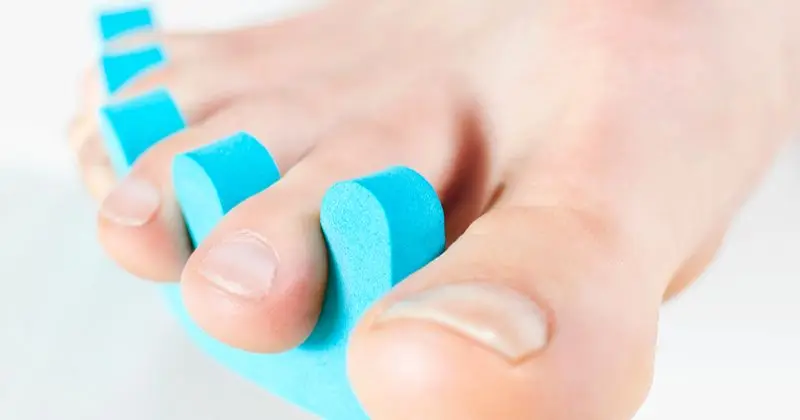
Now, we come to the point that's probably of most interest to you. Toe separators—or bunion separators, as patients often call them—are small silicone or gel devices that fit between the big toe and the second toe.
They're simple to use and relatively inexpensive. You slip them on like a small ring between your toes, and the idea is that they keep your big toe in a more correct position.
Now, I have to be honest with you. They're not miracle cures. They don't "cure" bunions in the sense of making them perfectly straight again. But they can provide pain relief, especially in the early stages.
The materials vary: some are soft gel, others are firmer silicone. Gel ones are more comfortable but wear out faster. Silicone ones last longer but may be less comfortable initially.
The key is finding the right one for your foot. I have patients who find them very helpful, others who can't tolerate them. It depends on the degree of deformity, the sensitivity of the skin, and the shoes you wear.
Other conservative treatments
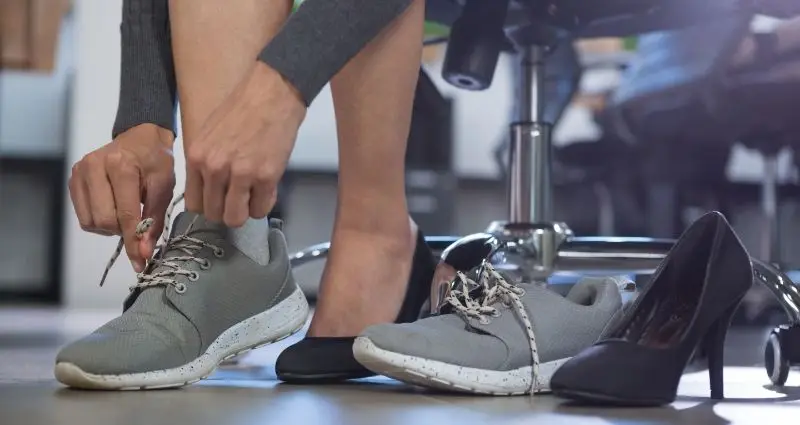
Separators are just one conservative option. The right shoes make a huge difference—wide toes, low heels, soft materials. I know, they're not always the most aesthetically pleasing, but your feet will thank you.
Custom orthotics can help redistribute loads. Stretching and strengthening exercises for the foot muscles are helpful, although they require consistency.
In times of acute inflammation, ice and anti-inflammatories can provide temporary relief.
When is surgery necessary?

This is the question everyone asks me. “Doctor, do I really have to have surgery?”
Surgery becomes necessary when the pain becomes disabling despite conservative treatments, when the deformity progresses rapidly, or when problems begin in adjacent toes.
Modern techniques are minimally invasive. Small incisions, faster recovery, and less postoperative pain. But every case is different, and the technique must be chosen based on your specific situation.
SmartHallux: Where we can help you

Here at SmartHallux, we specialize in foot and ankle surgery. Dr. Luigi Manzi, who has extensive experience in this field, provides each patient with a personalized treatment plan using the most modern techniques.
The difference compared to public services? Wait times are much shorter, and with a specific focus on foot and ankle care, we guarantee a high level of expertise. We have offices in Milan, Rome, and Naples.
The SmartHallux team treats conditions such as hallux valgus , Morton's neuroma , and other deformities that cause foot pain. Providing comprehensive support throughout the treatment process, SmartHallux can be a winning choice for effective treatment tailored to your needs. Book your specialist consultation with the SmartHallux team now (opens in a new tab).
Questions you often ask me
Can toe separators make things worse?
No, if used correctly, they don't worsen bunions. They may be uncomfortable initially, but they don't cause any harm. If you experience pain, stop using them and talk to your doctor.
How long should I use the separator?
There's no hard and fast rule. Some patients use them only at night, others during the day. Start with short periods and gradually increase if you feel comfortable.
Do they work for children too?
Hallux valgus in children is different from that in adults. It's always best to consult a specialist before using any device.