
First ray valgus: when the big toe goes the wrong way
First ray valgus is the outward deviation of the big toe and its metatarsal, the basis of a bunion. What it means, the symptoms and how it is corrected.
By Dr. Luigi ManziUpdated on
You know that feeling when you look at your foot and notice that your big toe seems to be trying to "run away" toward the other toes? Well, you're probably dealing with what we orthopedists call metatarsophalangeal valgus.
It's one of those conditions I see often in my office. Patients come in and say, "Doctor, my big toe is deforming." And they're right. Ball-of-the-foot valgus is exactly that: an outward deviation of the big toe that can cause a number of problems.
What exactly is metatarsophalangeal valgus?
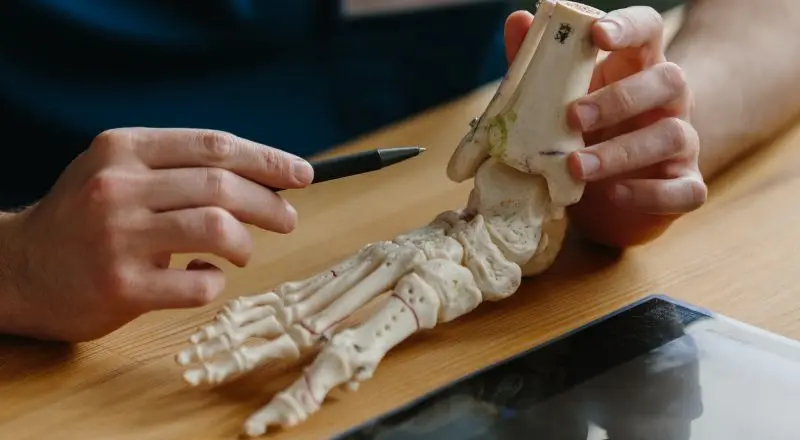
To fully understand what we're talking about, you need to imagine your foot as a complex structure. The phalanx of the foot—the one that forms the big toe—should be straight, aligned with the first metatarsal.
In ray valgus, however, the big toe deviates outward. It's as if it wants to embrace the other toes. The base of the big toe stays in place, but the tip shifts, creating that characteristic "hump" that many patients hate to see.
It's not just an aesthetic problem, believe me. When the foot mechanics are altered like this, your entire body weight becomes unevenly distributed while walking. And that's where the real problems begin.
The causes? More than you think.
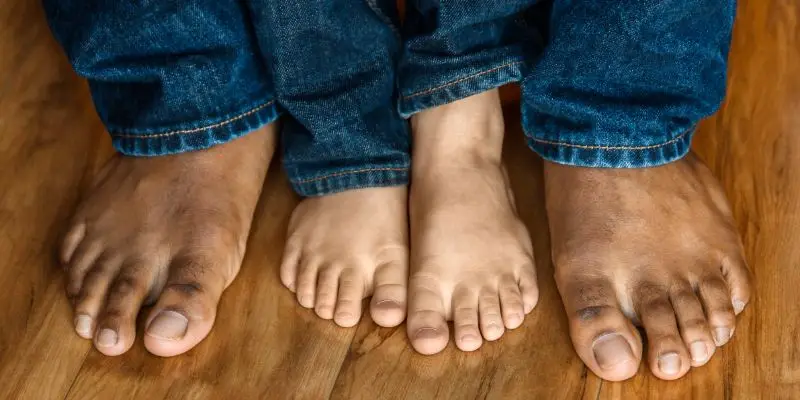
“Doctor, why did this happen to me?” This is the question I get asked most often.
Genetic predisposition plays a significant role. If your mother or grandmother had this problem, the chances of it occurring in you are significantly increased. Moreover, foot shape is inherited, just like eye color.
Then there are ill-fitting shoes. Those tight shoes, perhaps high-heeled, that many women wear for years. The foot is literally "forced" into an unnatural position. Over time, the soft tissues adapt and the deformity consolidates.
Foot trauma can trigger metatarsophalangeal valgus. A poorly healed fracture, a severe sprain... anything can alter the balance of the foot's structures. I've seen cases where a simple stumble triggered a series of changes that led to metatarsophalangeal valgus.
Inflammatory diseases like rheumatoid arthritis are no joke. They attack the joints and soft tissues, making everything loose and unstable. Osteoarthritis, on the other hand, stiffens the joints and can contribute to deformity.
Symptoms You Shouldn't Ignore

The first sign? Pain. It's not just any pain, it's specific. Patients describe it to me as a constant discomfort at the base of the big toe, which worsens when walking or wearing closed shoes.
Then there's the redness. That onion-shaped area that forms becomes red and swollen, especially at the end of the day. It's the friction of the shoe that constantly irritates the tissues.
The difficulty walking isn't immediate; it comes on gradually. At first, it's just a nuisance, then it becomes a real limitation. Some patients tell me they need to change the way they walk, leaning more heavily on the outside edge of their foot.
And then there are calluses and corns. They form because weight is no longer distributed correctly. The foot tries to adapt, but the skin suffers.
How do I diagnose?

When a patient comes to my office with suspected metatarsophalangeal valgus, the first step is always observation. I look at how they walk, how they land, and whether they have a slight limp.
The physical examination is crucial. I palpate the area to assess for pain, check joint mobility, and determine if there are any sensitive areas. It's a bit like a detective: every little detail counts.
A foot X-ray is what gives us definitive confirmation. It's not enough to look from the outside; I have to see what's happening "inside." The angle of deviation of the big toe, the condition of the joints, the presence of any secondary arthritis... everything emerges from the X-ray.
Sometimes I have to rule out other conditions that can cause similar symptoms. Morton's neuroma, for example, can cause similar pain but has a different location.
Treatments: from the right shoes to surgery

When the valgus of the first ray is not yet too advanced, we can try conservative treatment.
Orthopedic footwear is the first step. Wide, comfortable shoes that don't compress the deformity. I often recommend shoes with a soft upper and a wide forefoot. They're not the most beautiful shoes in the world, but your feet will thank you.
Custom insoles can help redistribute weight better. I have them custom-made after a gait analysis. The goal is to relieve the painful area and partially correct the position of the foot.
For pain and inflammation, nonsteroidal anti-inflammatory drugs (NSAIDs) can provide relief. But be careful: they're a temporary solution; they don't address the underlying problem.
When conservative treatment is no longer sufficient, surgery must be considered. Osteotomy is the technique I use most often: I reshape the bone to correct the angle. It's a procedure that can be performed as a day surgery, but it requires a specific recovery period.
In some cases, when the joint is severely compromised, arthrodesis or even a prosthetic may be considered. These are more complex solutions, which I evaluate on a case-by-case basis.
Post-operative recovery
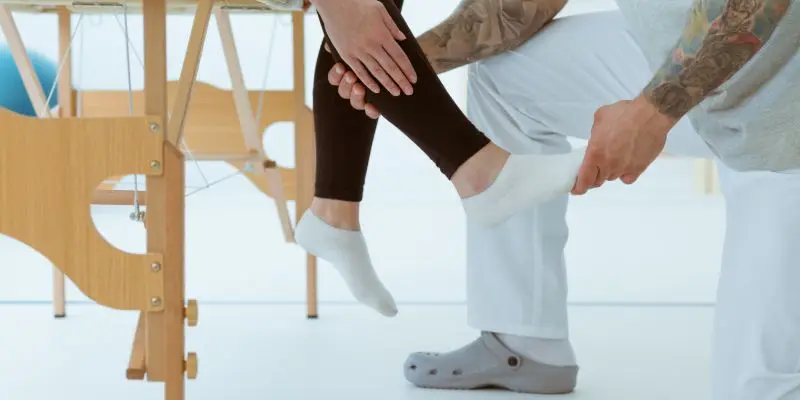
After surgery for metatarsophalangeal valgus, patience is essential. You won't be able to walk normally again the next day.
Typically, for the first few days, you walk in a special shoe that takes the load off the ball of your foot. Weight should be applied gradually, allowing the bone to heal. I generally estimate 4-6 weeks for initial healing.
Physiotherapy begins a few weeks later, once the surgeon gives the OK. Exercises to regain mobility, muscle strengthening, and gait retraining are included. It's a process that requires commitment but is incredibly rewarding.
Prevention: better to think about it first
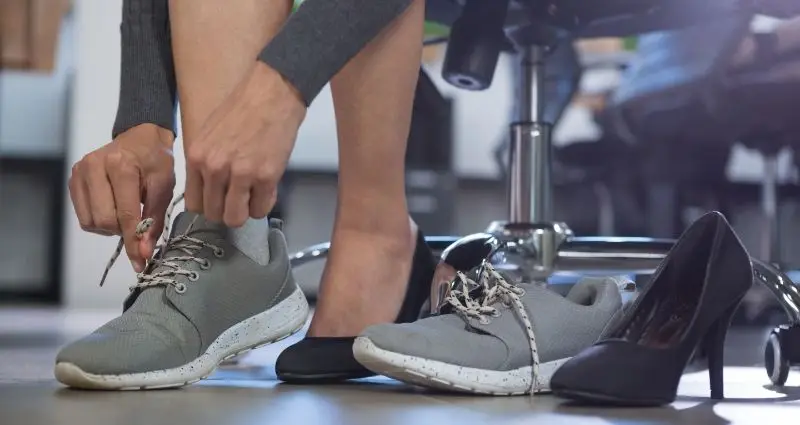
Can 1st ray valgus be prevented? In part, yes.
Choosing the right footwear is essential. Comfortable shoes, with a moderate heel (maximum 3-4 cm), that won't pinch your toes. I know, it's not always easy to balance comfort and style, but your feet should come first.
Foot exercises help maintain muscle tone and flexibility. Simple exercises, like picking up small objects with your toes or walking on your toes, can make a difference.
Maintaining a healthy body weight reduces the load on your feet. Every extra pound multiplies on the forefoot during walking.
SmartHallux: Where we can help you

Dr. Luigi Manzi, who has gained specific experience in this field, follows each patient with a personalized path using the most modern techniques.
The SmartHallux team treats conditions such as hallux valgus , Morton's neuroma , and other deformities that cause foot pain. Providing comprehensive support throughout the treatment process, SmartHallux can be a winning choice for effective treatment tailored to your needs. Book your specialist consultation with the SmartHallux team now (opens in a new tab).
FAQ
Doctor, is metatarsophalangeal valgus always getting worse?
Not necessarily, but it doesn't resolve on its own either. It depends greatly on the age, the causes, and how much is done to slow its progression. With the right precautions, it can often be kept under control for years.
Is surgery always necessary?
No, not at all. Many patients live very well with their valgus deformity by wearing appropriate shoes and insoles. I consider surgery when the pain becomes significant or when the deformity prevents a normal life.
How long does it take to fully heal?
After surgery, complete recovery generally takes 2-3 months. However, many patients are able to resume normal daily activities after 6-8 weeks.
Can it recur after surgery?
It's possible, but rare if the surgery was performed properly and post-operative care is followed. The important thing is not to return to the old habits that caused the problem.