
Valgus: Everything You Need to Know
Valgus means a part of the limb angles outward from the midline, as in hallux valgus, valgus knee or valgus heel. The types and how it is treated.
By Dr. Luigi ManziUpdated on
When the outside of the foot deviates upward and, consequently, the axis bends inward, involving specific parts of the limb such as the big toe, heel or ankle, we witness a malformation known as valgus, which can cause incorrect posture.
A malformation affecting the joints and soft tissues of the foot, causing a deviation from their natural alignment. It usually affects both feet (bilateral), but it can also affect only one limb, such as valgus deformity of the left or right foot. Although it can manifest with symptoms of varying intensity, it can significantly impair the ability to walk. For this reason, it should not be underestimated.
What causes valgus?

In many cases, valgus goes undiagnosed because it occurs in such a mild form that it can only be detected by X-ray. The causes may be genetic, linked to poor posture during adolescence, or post-traumatic, resulting from fractures or severe inflammation.
The main causes of valgus are related to the sufferer's genetic predisposition or physical condition (excessive weight or injuries and trauma that alter the natural alignment of the bones). In some cases, even wearing tight or high-heeled shoes can alter posture, promoting an incorrect foot angle.
How can I tell if I suffer from valgus?
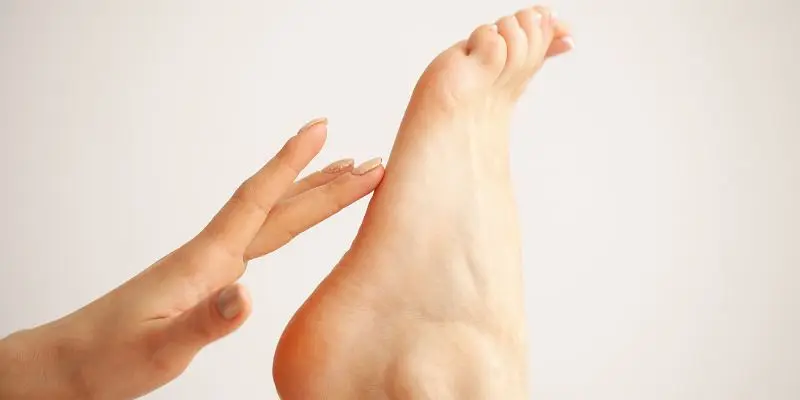
Ball of the foot (valgus) can present with varying symptoms and take different forms, often related to the severity of the condition. Generally, the most common symptom is a deformity visible to the naked eye in the shaft of the foot or toes, sometimes accompanied by inflammation and swelling. In more severe cases, ball of the foot (valgus) can cause difficulty walking or wearing shoes, which limits daily activities.
Hallux valgus is one of the most common variations, characterized by lateral deviation of the big toe and the appearance of a bony protuberance called a bursitis. When the arch of the foot collapses, the heel tilts inward, causing what is colloquially called " valgus foot ."
To correct this malformation or to alleviate the symptoms of valgus, there are various methods available, and the factors that influence it are the development of the pathology and, as already mentioned, the patient's age.
- Use of orthopedic footwear, designed to reduce pressure on the big toe and support the arch of the foot.
- Use of custom-made orthotics to correct foot alignment and slow the progression of the condition.
- Perform targeted exercises and movements that strengthen the muscles of the foot and ankle, improving posture and mobility.
In more severe situations, surgery may be necessary to restore bone alignment.
For specialist support, book a consultation with Dr. Luigi Manzi for an accurate diagnosis and a personalized treatment plan to relieve severe pain.
Left untreated, valgus can seriously impact your quality of life. Understanding the causes and symptoms of this condition is the first step in addressing it. By following the right prevention and treatment strategies, you can relieve pain, improve mobility, and prevent further complications. If you notice any signs of valgus, don't hesitate to consult a specialist for an accurate diagnosis and personalized treatment plan.