
Achilles Tendon Rehabilitation: Everything You Need to Know to Get Back in Shape
Achilles tendon rehabilitation after injury or surgery: the stages, from gentle loading to eccentric exercises, how to return to running and common mistakes.
By Dr. Luigi ManziUpdated on
Have you ever felt that sharp pain behind your ankle? Maybe while running or simply walking down the stairs in the morning. The Achilles tendon is one of those areas of our body that, when it makes itself felt, certainly doesn't go unnoticed.
In my office, I often see patients concerned about Achilles tendon problems. "Doctor, how long will it take for me to heal?" "Will I ever be able to run like I used to?" These are perfectly normal questions. And the good news? With proper Achilles tendon rehabilitation, most people return to their normal activities without any problems.
What the Achilles tendon really is and why it is so important
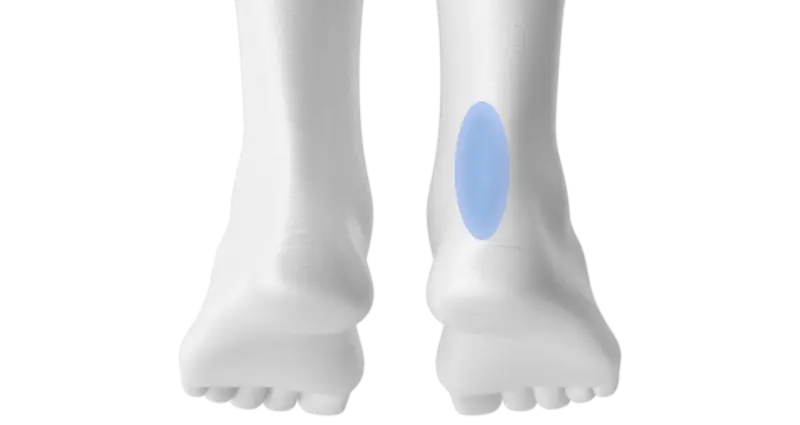
The Achilles tendon is practically the most powerful "cable" in our body. It connects the calf muscles to the heel and allows you to walk, run, and jump. It's strong and incredibly resilient, but not invincible.
Think of this tendon as a very thick and resistant cord that, however, if subjected to excessive strain or incorrect movements, can become inflamed or, in the worst cases, tear completely. When this happens, you notice it immediately. It's not something that goes unnoticed, believe me.
I've seen professional athletes and people simply climbing stairs stop dead in their tracks due to pain. The Achilles tendon, when it's in trouble, is no joke.
The most common causes of Achilles tendon problems

Let's take a look at what can cause these discomforts. Understanding the "why" is the first step to effective Achilles tendon rehabilitation.
The most common causes? Gradual overload, especially in those who increase training intensity too quickly. The other day, a patient came to me who had decided to go from zero kilometers of running to ten in a week. The result? Full-blown Achilles tendinitis.
But it's not just athletes who suffer from it. Even improper footwear, advancing age (the tendon loses elasticity with age), or simply poor posture can cause problems. Sometimes it even happens after a prolonged period of inactivity: the famous "weekend warrior" who, after months on the couch, throws himself into a game of soccer. Now, that's a classic.
Symptoms You Shouldn't Ignore
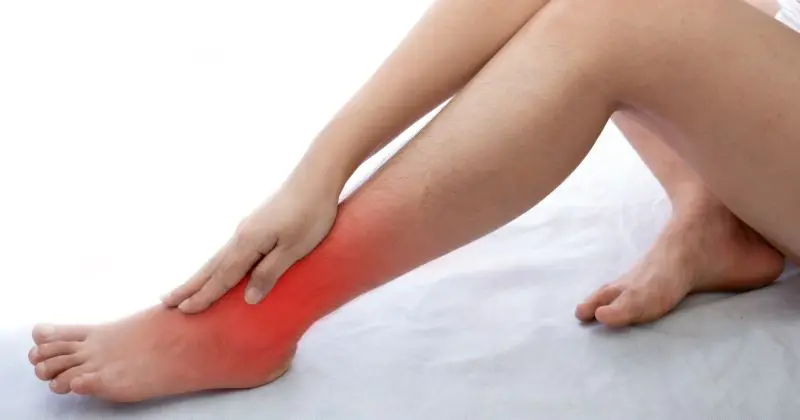
How do you know if your Achilles tendon is damaged? The signs are pretty clear, though they vary depending on the severity.
Achilles tendinitis usually begins with a dull ache behind the ankle, especially in the morning or after prolonged sitting. It's as if the tendon is "rusty" and needs to warm up. Many patients tell me, "Doctor, the first few steps are terrible, but then it gets a little better."
In partial or complete Achilles tendon ruptures, however, the pain is sudden and intense. Patients often report feeling a "cracking" sensation or as if someone had kicked them in the back of the ankle. They can't stand on tiptoe, and walking becomes very difficult, if not impossible.
Swelling is common in both cases. The tendon thickens and becomes tender to the touch.
How do I diagnose in my office?

When a patient comes in with suspected Achilles tendon problems, the first thing I do is talk to them. They tell me what happened, when the pain started, and what kind of activity they were doing.
Then I move on to the physical exam. I look at the tendon and gently palpate it to see if there's any thickening or particularly tender spots. If I suspect a rupture, I do the Thompson test: by squeezing the calf, if the tendon is intact, the foot moves automatically. If it's ruptured, nothing happens.
Ultrasound is essential in Achilles tendon rehabilitation because it allows me to see exactly what's happening. It's quick, non-invasive, and provides precise information on any tears or thickening. In more complex cases, MRI provides an even more detailed picture.
Treatment options: from tendonitis to rupture

Here's where things get interesting. The treatment obviously depends on what we're dealing with.
For **Achilles tendinitis**, we usually start with a conservative approach. Relative rest (not complete rest, mind you!), ice in acute phases, and anti-inflammatory medications if necessary. But the real key is Achilles tendon physiotherapy. Eccentric exercises, progressive stretching, and proprioceptive work. Achilles tendon recovery in these cases requires patience, but usually everything goes well.
**Achilles tendon rupture** is a different story entirely. Here, we must decide between surgery and conservative treatment. Surgery allows for a more predictable recovery and reduces the risk of re-ruptures, especially in athletes. Conservative treatment can be effective, but requires longer immobilization.
The recovery journey: what to expect
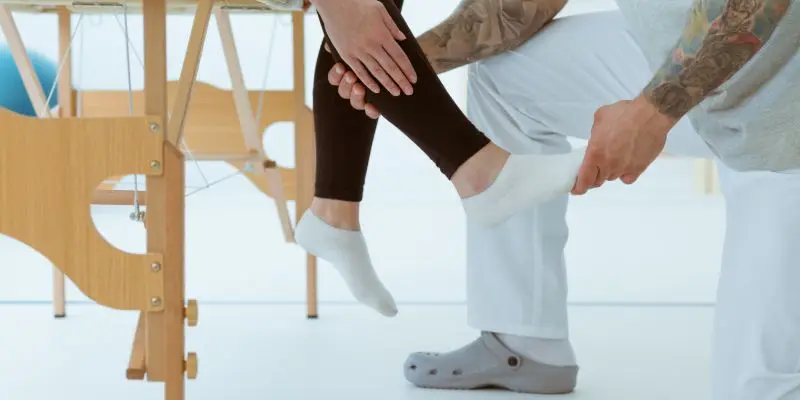
Let's talk about real time. Because there's no point in kidding ourselves: Achilles tendon rupture rehabilitation is no walk in the park.
In the first few weeks, the goal is to reduce pain and inflammation. Begin with gentle, low-impact movements. Gradually, isometric exercises—muscle contractions without movement—are introduced.
From the fourth to eighth week, we begin working on actual strengthening. More dynamic exercises, gradual loading. This is the point when many patients begin to feel better and feel like pushing themselves. Wrong! Achilles tendon rehabilitation must be progressive.
From eight weeks onward, if all goes well, more functional exercises begin. Sports-specific exercises are recommended for athletes. Return to full activity varies greatly: from 4-6 weeks for mild tendinitis to 6-12 months for a complete tear.
Recovery times for a ruptured Achilles tendon depend on many factors, including age, general physical condition, type of work, and the patient's motivation. No two rehabilitation sessions are the same.
How to prevent Achilles tendon problems
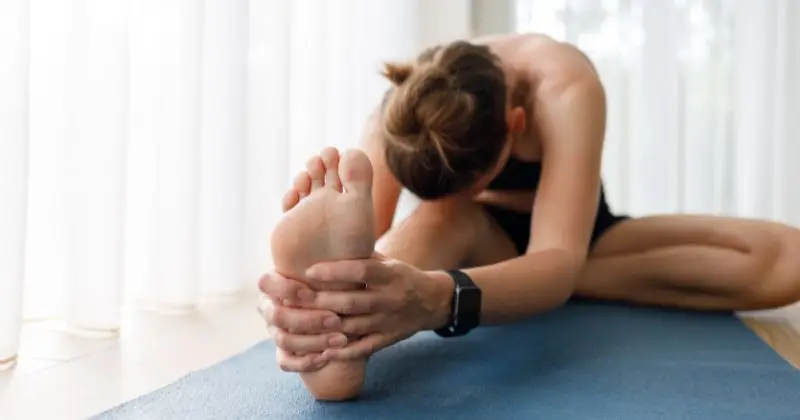
Prevention is always better than cure, right? A few simple things can make a huge difference.
Stretch your Achilles tendon regularly, especially if you play sports or spend a lot of time on your feet. You don't need to be a contortionist: even just a few minutes of stretching a day can prevent many problems.
Proper footwear is essential. Shoes with good heel support and adequate cushioning. And if you run, replace your shoes regularly—the "faithful" ones you've had for years could be the problem.
Gradual increase in activity is crucial. The 10% rule: Never increase your training intensity or volume by more than 10% per week. I know it doesn't seem like much, but it works.
SmartHallux: Where we can help you

Dr. Luigi Manzi, who has gained specific experience in this field, follows each patient with a personalized program using the most modern techniques for Achilles tendon rehabilitation and Achilles tendon rupture recovery.
The SmartHallux team treats conditions such as hallux valgus , Morton's neuroma , and other deformities that cause foot pain. Providing comprehensive support throughout the treatment process, SmartHallux can be a winning choice for effective treatment tailored to your needs. Book your specialist consultation with the SmartHallux team now (opens in a new tab).
FAQ
How long does Achilles tendon rehabilitation take?
It depends on the type of problem. For tendonitis, we're talking 4-6 weeks. For a rupture, 4-6 months or more. I know it seems like a long time, but a proper recovery is an investment in the future.
What are the signs of an Achilles tendon rupture?
Sudden, very severe pain behind the ankle, often with an audible crack. Inability to stand on tiptoe, swelling, difficulty walking. If you experience these symptoms, rush to the doctor—or better yet, have someone take you there!
Can I avoid surgery if I have a rupture?
In some cases, yes, but it depends on several factors: age, activity level, and the type of breakage. We always discuss each case individually. The important thing is to decide together on the best strategy for you.