
Achilles tendon lengthening: what you need to know
Achilles tendon lengthening, by stretching or, when the tendon is too tight, by surgery, improves ankle movement. When each is indicated and what to expect.
By Dr. Luigi ManziUpdated on
Have you ever felt that nagging pain behind your heel when you get out of bed in the morning? Maybe you've taken a few steps and thought, "Here, my Achilles tendon has woken up, too."
Yes, because this tendon—which is the largest in our body—when it makes itself felt, it really makes itself felt. In my office, I see patients who arrive with a slight limp, with the look on their face of someone who has realized something is wrong but still hopes it will go away on its own. Unfortunately, that's not always the case.
A pulled Achilles tendon is one of those conditions that can ruin anyone's day, from the avid runner to the grandmother who just wants to climb the stairs without pain.
What exactly is this “stretching”?
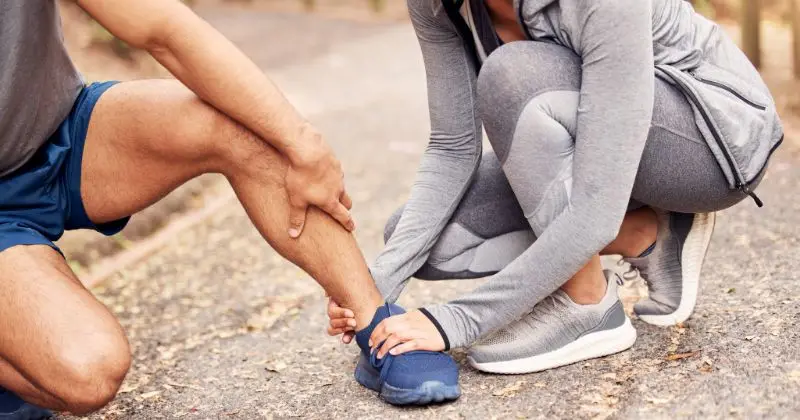
So, let's be clear. When we talk about a stretched Achilles tendon, we're actually describing a situation in which this thick fibrous cord—the one that connects the calf muscles to the heel—is subjected to excessive stress.
Think of a tendon as a very strong rubber band. It works perfectly for years and years, allowing you to walk, run, and jump. But if you subject it to excessive or repeated stress over time, it can begin to give way slightly. It doesn't break (that would be a different, much more serious matter), but it becomes inflamed, thickened, and loses some of its natural elasticity.
It's like using a hair tie too often: it eventually becomes less flexible and more fragile. The Achilles tendon does the same thing. Only when it happens to it, you definitely feel it.
The causes? More common than you think.

Let's see... The other week a patient came to me, a 45-year-old accountant who had decided to get back in shape. "Doctor," he said, "I've started running again after ten years on the couch, and now my heel hurts like hell." Now, this is a classic.
High-impact activity when you're no longer used to it is one of the main causes. The body needs time to adapt, but we're often in a hurry. We run too much, too fast, too soon.
But it's not just weekend athletes who are at risk. I've seen Achilles tendon problems even in people who simply changed their shoes. Yes, ill-fitting shoes can cause incredible damage. Especially those with heels that are too low when you're used to high heels, or vice versa. The tendon finds itself working at different angles and complains.
Being overweight is another factor we can't ignore. Every extra pound puts additional pressure on our tendons. And then there are the overly tight calf muscles—the ones you never stretch and that constantly pull on the poor Achilles tendon. A perfect recipe for trouble.
Symptoms: when the tendon "talks"
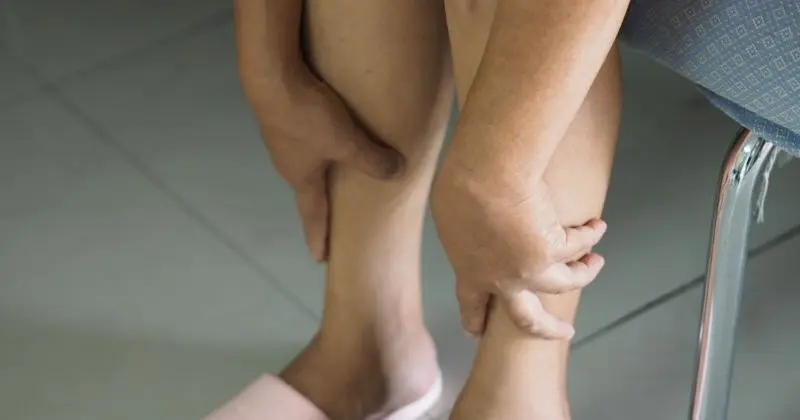
Heel pain, especially in the morning. Virtually all patients with Achilles tendon problems tell me this. “Doctor, the first steps are hell, then little by little it gets better.” That's exactly right.
It happens because the tendon "shortens" a little during the night, and when you put body weight on it again, it complains. After a few steps, it "warms up" and the pain subsides, but it's a very characteristic symptom.
Then there's the stiffness. That feeling of having a tight cord behind the ankle that won't relax. Patients often tell me they feel "clumsy" in their movements, as if the ankle isn't responding well to commands.
Sensitivity to touch is another typical sign. If you press on the tendon and it hurts, well, that's a warning sign that shouldn't be ignored. So is swelling around the tendon, which is sometimes visible to the naked eye.
How do I diagnose in my office?

When a patient comes in with suspected Achilles tendon problems, the first thing I do is look. I observe how they walk, how they land, and whether there's any visible swelling.
Then I move on to my hands. I palpate the tendon along its entire length, looking for tender spots, thickenings, and nodules. The famous Thompson test—where I push on the calf and see if the foot moves—helps me determine if there's a complete tear (but that's another, much more dramatic story).
But I often need to delve deeper. Ultrasound is fantastic for seeing what's happening inside the tendon: whether there's thickening, calcification, or areas of degeneration. I reserve MRI for more complex cases, when I also need to evaluate the surrounding structures.
The treatment options we have available
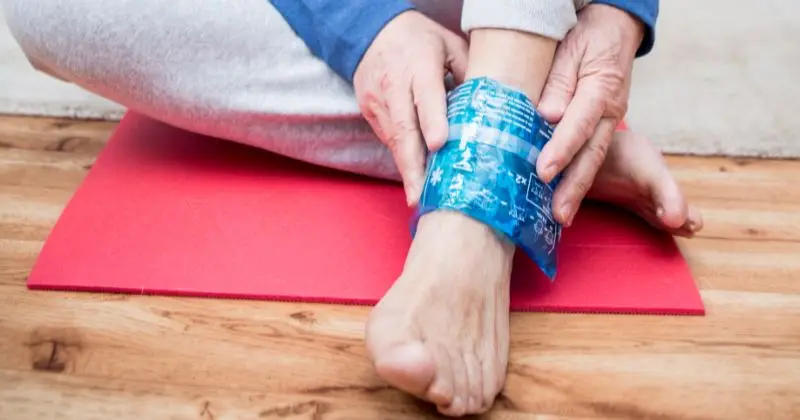
Well, it really depends on how serious the situation is. Most of the time, we start with a conservative approach, which is a fancy word for "let's try to heal the tendon without surgery."
Rest is essential, even though I know no one wants to hear it. "But doctor, I have to train for the marathon!" It happens to me often. Look, the tendon needs time to recover. Ice helps in the first few days to reduce inflammation, and painkillers provide temporary relief.
But the real work is done through physical therapy. Stretching the Achilles tendon and muscle strengthening exercises are key. A good physical therapist knows how to gradually adjust the load, how to work the tendon without overloading it.
In some more resistant cases, I consider shock wave therapy or specific infiltrations. Surgery? I truly reserve it for the most severe cases, when all else has failed and the patient's quality of life is compromised.
The Recovery Journey: What to Expect

Let's be clear: Achilles tendon healing requires patience. It's not like a small cut on the skin that heals in a week. Tendons take their own time, often quite a long time.
I usually see initial improvements after 2-3 weeks of appropriate treatment, but full recovery can take months. It depends on the extent of the problem, the patient's age, and how closely they follow the instructions.
Returning to physical activity must be gradual. You don't go from sitting on the couch to running a 10k. First you walk, then you jog, then you run slowly, and finally you return to your normal pace. It's a process that shouldn't be rushed.
Prevention: better safe than sorry
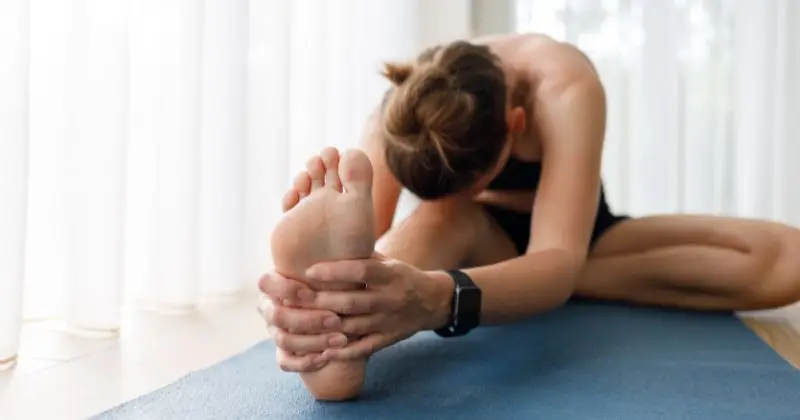
Regular stretching of the calf muscles is pure gold for Achilles tendon health. Five minutes a day can prevent weeks of pain. This comes from someone who's seen too many patients come into the office saying, "If only I'd stretched a little..."
The right shoes make all the difference. I'm not talking about the most expensive shoes, but the ones that are right for your foot and your activity. If you run, wear appropriate running shoes. If you walk a lot, invest in comfortable shoes. Your Achilles tendon will thank you.
Warming up before exercise isn't a waste of time. It's an investment in the health of your tendons. And when you return to exercise after a break, take it easy. Your body needs time to remember how to do it.
SmartHallux: Where we can help you

Dr. Luigi Manzi, who has gained specific experience in this field, follows each patient with a personalized path using the most modern techniques, including regenerative therapies with stem cells when appropriate.
The SmartHallux team treats conditions such as hallux valgus , Morton's neuroma , and other deformities that cause foot pain. Providing comprehensive support throughout the treatment process, SmartHallux can be a winning choice for effective treatment tailored to your needs. Book your specialist consultation with the SmartHallux team now (opens in a new tab).
FAQ
Doctor, what is the most common cause of Achilles tendon problems?
I'll tell you straight: overuse. Too much activity too soon, especially if you rapidly increase the intensity of your workout. Then there are tight calf muscles, the wrong shoes, flat feet. But overload remains the number one culprit.
Will my symptoms get worse if I do nothing?
Unfortunately, this often happens. The Achilles tendon isn't one of those things that goes away on its own. Ignoring the problem can lead to tendon degeneration, which is then much more difficult to treat. The sooner you intervene, the better.
Is Achilles tendon surgery always necessary?
No, absolutely not. The vast majority of cases resolve with conservative therapies. I only consider surgery when all else has failed and the pain seriously compromises quality of life. And even then, the results are generally good.