
Is osteoarthritis really a debilitating disease? Let me explain as a doctor.
Is osteoarthritis really a debilitating disease? It can be, but not always: it depends on the joint, stage and management. Dr. Luigi Manzi answers.
By Dr. Luigi ManziUpdated on
Have you ever woken up in the morning and felt your joints stiff as a stick? Or maybe your grandfather always complains about his knee "bothering him when the weather changes"? Well, we're probably talking about osteoarthritis.
**Is osteoarthritis really a debilitating disease?** This is one of the questions I'm asked most often in my office. The short answer is: it can be. But as always in medicine, there's much more to it. It depends on many factors: where it appears, how advanced it is, how your body reacts. In short, not all osteoarthritis is the same.
After all, we're talking about the most common joint disease in the world – it affects practically everyone after a certain age, though some feel it more than others.
What is this blessed arthritis?

Think of your joints as the hinges of a door. When they're new, everything slides smoothly. But with time and use, the cartilage lining the bones wears away. It's a bit like when the lining of a bearing wears out—it slowly starts to rub.
Cartilage is the smooth, slippery substance that allows bones to move without rubbing against each other. When it deteriorates, problems begin. Bones begin to rub together directly. The body attempts to "repair" the damage by creating new bone tissue at the edges—what we call osteophytes, or more commonly, "bone bumps."
The result? Pain, stiffness, and sometimes even swelling.
Why does osteoarthritis occur?
Now, this is interesting because there are so many causes. Age is the most obvious—after age 65, practically everyone has some signs of osteoarthritis on X-rays. But it's not just a matter of the passing years.
Body weight plays a significant role, especially for knees and hips. Consider that every extra pound adds about 3-4 pounds of pressure to your knees when walking. Do the math yourself.
Then there are the injuries. That time you hurt yourself playing soccer and thought, "It'll go away on its own"? Well, years later, you might have to pay the price. Repeated microtraumas over time are often overlooked, but the joint remembers them all.
Genetics plays a major role. If your parents had problems with osteoarthritis, you're likely more predisposed. This isn't a death sentence, mind you, but it's a risk factor to keep in mind.
And then there are congenital malformations, the type of work you do, the sport you play. A bricklayer is more likely to develop hand arthritis than an office worker, that's obvious.
The symptoms you need to recognize
Pain is the main symptom, but it's not always the same for everyone. Some patients describe a dull, constant ache. Others describe "twitching" sensations when they make certain movements.
Morning pain is typical—the kind that makes you say, "I need to warm up before I go." It's typical of osteoarthritis: after hours of being still, the joint becomes "packed" and requires some movement to regain its flexibility.
Stiffness is another typical symptom. You can't bend as you used to, you struggle to tie your shoes, and getting up from a chair becomes a struggle. Little by little, you lose the fluidity of movement you once took for granted.
Sometimes you hear a noise—what we call crepitus—when you move the joint. It's the sound of friction between the damaged cartilage surfaces. It's not necessarily painful, but it can be annoying.
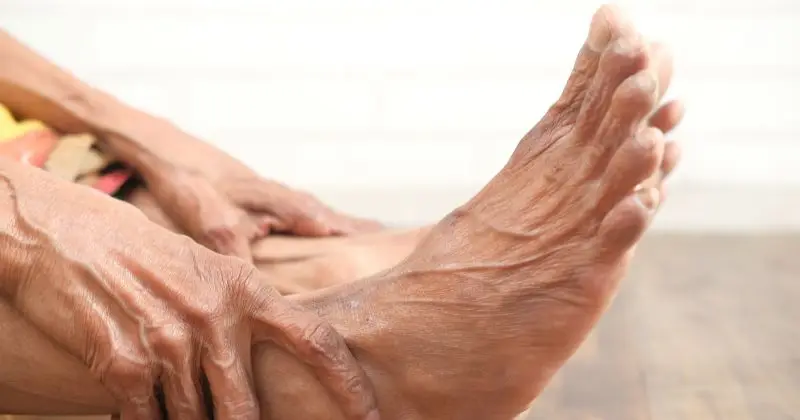
In more advanced stages, the joint may also become visibly deformed. Curled fingers and bowed knees are signs that the arthritis has progressed significantly.
How do I diagnose?

When a patient comes to me with a suspicion of arthritis, I first listen. They tell me their story: when the pain started, what makes it worse, what makes it better, and whether they've had any previous trauma.
Then comes the physical exam. I look at how he walks, how he moves the joint, where he feels pain when I press on it. Sometimes you can already hear that typical creaking sound.
X-rays are crucial—they clearly show whether the joint space has narrowed, whether there are osteophytes, or whether the bone beneath the cartilage has thickened. It's a bit like looking inside a car engine to see where it's worn out.
In some cases, MRI is necessary, especially if I want to better evaluate the soft tissues—ligaments, menisci, and residual cartilage. But for common osteoarthritis, X-rays are usually sufficient.
Blood tests? They're mainly used to rule out other diseases, such as rheumatoid arthritis. Osteoarthritis itself doesn't show any significant changes in the tests.
What can we do to cure it?

So, let's start with an uncomfortable truth: osteoarthritis doesn't "heal" in the traditional sense. Worn cartilage doesn't regenerate like skin does after an injury. But that doesn't mean we can't do anything—quite the opposite!
Medications are often the first line of defense. Anti-inflammatories help with pain and inflammation, although they should be used with caution because they can cause stomach problems in the long term. Chondroprotectors—drugs that are supposed to protect cartilage—are still under debate, but some patients report benefits.
Physical therapy is essential. A good therapist not only helps you with pain, but also teaches you specific exercises to maintain mobility and strengthen the muscles that support the joint. It's a long-term investment.
The other day, a patient came to me who had given up everything because "it's no use anyway." I explained to him that it's just the opposite—the more you stop, the more the joint "seizes." Proper movement is medicine.
There are also injections—with hyaluronic acid, cortisone, and platelet-rich plasma. They aren't miracle cures, but they can provide relief for months in selected cases.
In more advanced cases, when the pain becomes truly disabling and conservative therapies are no longer sufficient, surgery is considered. Prosthetics, arthroscopy to "clean" the joint, osteotomies to realign the axes—it depends on each individual case.
How disabling can it become?
Here's the million-dollar question. **Arthritis, a debilitating disease** – it's a label that scares many patients. The reality is that it depends greatly on where it appears and how far it progresses.
Mild arthritis in one hand might only bother you when opening jars. But severe arthritis in the hip or knee can seriously limit your independence—walking becomes difficult, stairs a nightmare, getting in and out of the car a struggle.
I've seen young patients—in their 50s—forced to change jobs because of knee arthritis. And others in their 80s who, with widespread arthritis, continue to live almost normally. The difference? Often it depends on how the problem is addressed, how early the right treatments are started, and even a bit of genetic luck.
**Disabling osteoarthritis** is a reality when it significantly impairs daily activities. But it's not a death sentence—with the right approach, even advanced osteoarthritis can be lived with dignity.
How you can prevent it (or slow it down)
Prevention is always better than cure, even if we can't control everything. Maintaining a healthy weight is probably the most important thing you can do for your knees and hips. Every pound you lose is a gift you give your joints.
Regular exercise is essential, but be careful: it must be the right kind. Swimming, cycling, or walking are perfect. Sports with high impact or sudden rotations are less advisable if you already have problems.
A balanced diet, rich in omega-3s and antioxidants, can help reduce overall inflammation in the body. It's not magic, but every little bit counts.
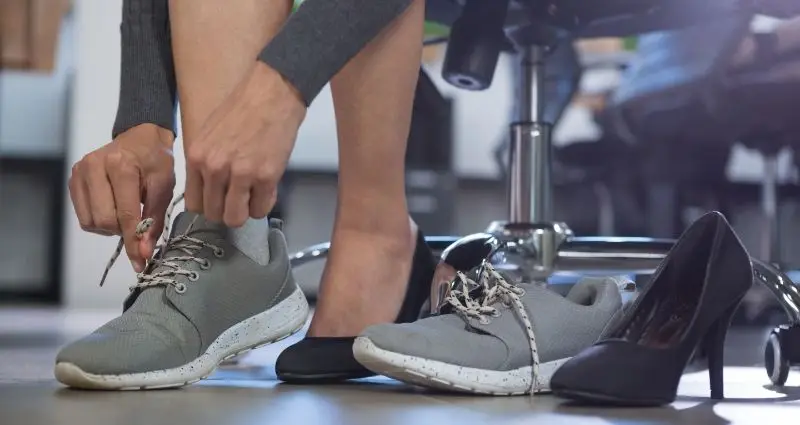
And then there's the right shoes—underrated but incredibly important. Good arch support can make a difference in the long run.
SmartHallux: Where we can help you

Here at SmartHallux, we specialize in foot and ankle surgery. Dr. Luigi Manzi, who has extensive experience in this field, provides each patient with a personalized treatment plan using the most modern techniques.
Ankle arthritis is less common than knee or hip arthritis, but when it does occur, it can be very limiting. We offer cutting-edge ankle replacements and conservative techniques whenever possible.
The SmartHallux team treats conditions such as hallux valgus , Morton's neuroma , and other deformities that cause foot pain. Providing comprehensive support throughout the treatment process, SmartHallux can be a winning choice for effective treatment tailored to your needs. Book your specialist consultation with the SmartHallux team now (opens in a new tab).
Questions you often ask me
Doctor, is osteoarthritis necessarily disabling?
Not necessarily, no. It depends on many factors: location, severity, how you respond to treatments, your lifestyle. I have patients with advanced arthritis who still go hiking, and others with moderate arthritis who struggle to leave the house. The difference often lies in the therapeutic approach.
Can I continue to play sports with osteoarthritis?
It depends on the sport and how advanced the arthritis is. High-impact sports like running on asphalt or soccer are best avoided. Swimming, cycling, yoga—these are excellent and often helpful. The important thing is to listen to your body.
Do infiltrations hurt?
The injection itself lasts a few seconds and causes minimal discomfort. Sometimes there may be some pain in the hours that follow, but it usually subsides quickly. The benefits, when they occur, last for months.