
Hallux Valgus and Osteoarthritis: When the Problem Gets Complicated
When hallux valgus is joined by osteoarthritis of the big toe joint, pain becomes constant. How to recognize it and the treatment options.
By Dr. Luigi ManziUpdated on
You know that feeling when you walk and your big toe hurts? Not just because of the deformity, but also because of a dull, constant pain that worsens with movement. It can often be bunions or arthritis.
Many patients come to me thinking they "just" have a bunion. They see that protrusion, that deviation in the toe, and think the problem is merely aesthetic or mechanical. But then they tell me about this morning stiffness, how the joint feels "locked" after being still, and that pain that doesn't go away even with the most comfortable shoes. That's when I suspect arthritis has made its way into the metatarsophalangeal joint of the big toe.
When Hallux Valgus Meets Osteoarthritis
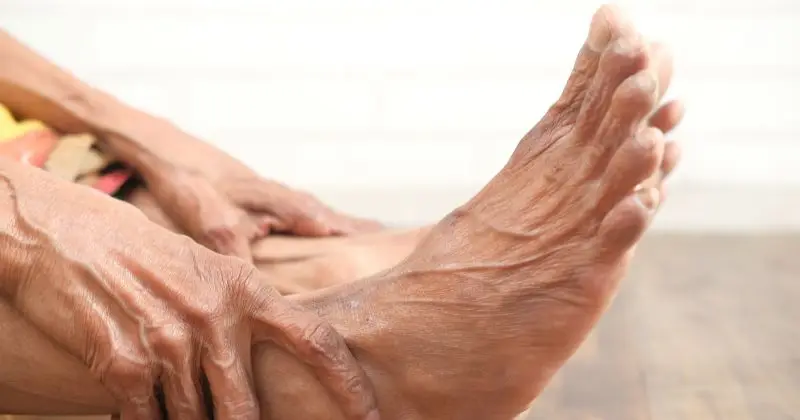
We're all familiar with hallux valgus. It's the deviation of the big toe toward the other toes, with that famous "bunion" that protrudes laterally. But what happens when this deformity persists over time?
The big toe joint, subjected to this constant mechanical stress, begins to wear out. Think of a door hinge that doesn't close properly: eventually, it wears out. The articular cartilage, the smooth tissue that allows the bones to slide over each other, thins. Small irregularities appear. The underlying bone reacts by forming small growths, called osteophytes.
Here's how hallux valgus can evolve into hallux valgus osteoarthritis. It doesn't always happen, but when it does, the situation becomes significantly more complicated.
The Reasons Behind This Combination
Let's see, why does it get to this point? After all, not all hallux valgus develops into arthritic conditions.
First, there's genetic predisposition. If there's been a family history of similar problems, the likelihood increases. Then there's the shoes. I know we orthopedists always say this, but it's true: shoes that are too tight, high heels, and footwear that doesn't fit the anatomy of the foot can cause enormous damage over time.
Age plays a role. With age, cartilage naturally loses its elastic properties. Add to this the mechanical deformation of hallux valgus, and the game is over.
But there's also a factor we often underestimate: body weight and physical activity. An overweight patient who works on his feet all day subjects the joint to constant stress. The joint "tires" more quickly.
Symptoms You Can't Ignore
The pain is different from that of a simple bunion. It's not just the discomfort of rubbing against the shoe. It's a deep, joint-related pain.
My patients describe it to me like this: "Doctor, it feels like I have a nail in my joint." It gets worse with movement, especially when trying to bend the big toe upward (like when walking and lifting the heel off the ground). In the morning, it's terrible. The joint is stiff, it feels like it needs to "warm up" to function.
Sometimes there's also swelling. The joint feels larger and warm to the touch. In some cases, what's called "morning stiffness" develops—the big toe feels stiff for several minutes after waking up.
Interestingly, the pain is often not limited to the big toe. It can radiate to the second toe, or cause pain under the ball of the foot (metatarsalgia) because the patient unconsciously adjusts their gait to avoid putting weight on the big toe.
How Do I Diagnose?

When a patient comes into my office, I first look at how they walk. Hallux valgus arthritis has a distinctive "signature": you can immediately see that the person avoids bending their big toe.
Then I examine the foot. I test the joint's mobility—in cases of arthritis, it's always reduced. I press on the joint: if there's arthritis, it hurts. A precise, localized pain.
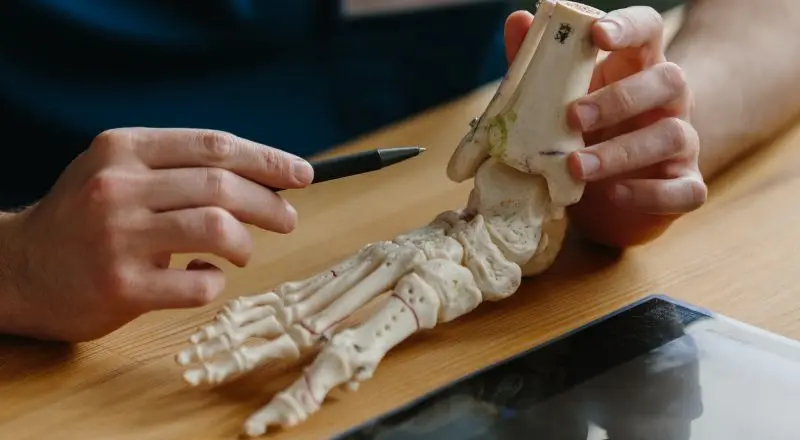
But definitive confirmation comes from X-rays. Here, the signs of osteoarthritis are clearly visible: narrowing of the joint space, osteophytes (those bony growths that the body produces to "stabilize" the damaged joint), and irregular bone profiles.
Sometimes I also request a CT scan if I need to plan a surgery. I need to see exactly how the joint is positioned in 3D.
What We Can Do: Available Treatments
Let's start with the simple things. If osteoarthritis is still in the early stages, the problem can often be managed without surgery.
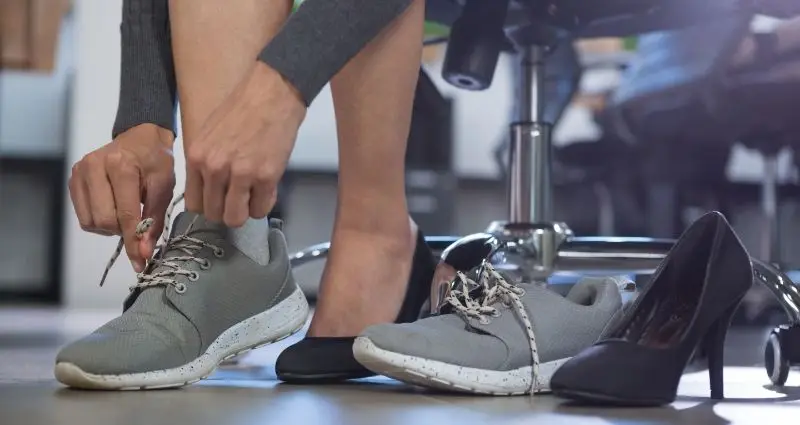
Shoes are essential. I'm not talking about ugly orthopedic shoes—there are beautiful shoes with excellent technical features these days. The important thing is that they have a wide toe, a low heel (maximum 2-3 centimeters), and a flexible sole with good arch support.
Custom-made insoles can work wonders. They redistribute loads and reduce stress on the big toe joint. I always make them after a baropodometric analysis—it's important to see exactly where the patient's foot is resting.
For pain and inflammation, anti-inflammatories help in acute phases. But be careful: they're not a long-term solution. Sometimes I resort to hyaluronic acid injections—it's like "lubricating" the joint from the inside.
Physiotherapy is often overlooked, but it plays an important role. Specific exercises to maintain joint mobility, techniques to reduce inflammation, and work on foot proprioception are among the key benefits.
When all this isn't enough? Then we talk about surgery.
Surgery: When It Becomes Necessary
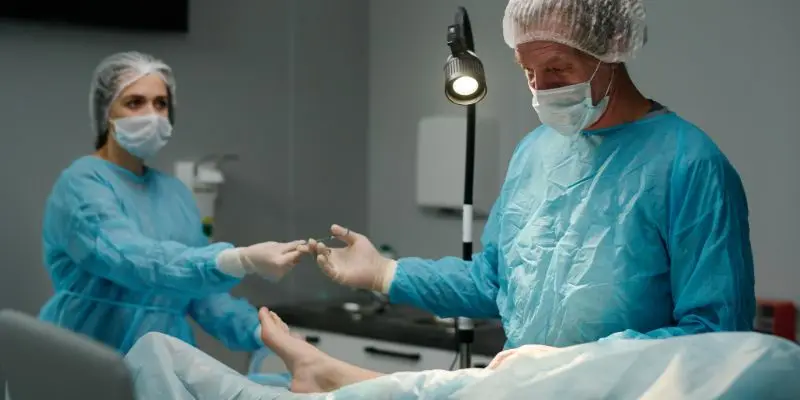
Not all bunions with osteoarthritis require surgery. But when the pain becomes disabling, when conservative treatments no longer work, then surgery should be considered.
Techniques vary, depending on the degree of deformity and the extent of the arthritis. They can range from simple joint cleaning (arthrolysis) to joint fusion (arthrodesis) in more severe cases.
Personally, I prefer techniques that preserve joint motion whenever possible. The goal is to eliminate pain while maintaining good function.
Recovery? It varies greatly. Generally, bone healing takes 6-8 weeks, but full recovery can take a few months. For the first few days, you'll walk with a special brace, then gradually return to normal.
SmartHallux: Where We Can Help You

The SmartHallux team treats conditions such as hallux valgus , Morton's neuroma , and other deformities that cause foot pain. Dr. Luigi Manzi, who has gained specific experience in this field, follows each patient with a personalized treatment plan using the most modern techniques, including minimally invasive techniques. Book (opens in a new tab) your specialist consultation with the SmartHallux team now.
Our approach is always personalized: there is no standard procedure that works for everyone. Every foot is different, every patient has different needs.
FAQ
Doctor, if I have a bunion with osteoarthritis, do I absolutely have to have surgery?
Absolutely not. Surgery is always the last option. We try everything else first: lifestyle changes, appropriate footwear, insoles, physical therapy, and medications when necessary. Only if these approaches fail do we consider surgery.
How long does recovery take after surgery?
It depends on the type of surgery. Generally, normal walking takes 6-8 weeks. However, returning to strenuous sports activities can take 3-4 months. Every patient is different, and I always follow their recovery step by step.
Can arthritis of the big toe cause other foot problems?
Yes, it can happen. When the big toe isn't working properly, it often puts extra strain on the other toes. Painful calluses may appear under the ball of the foot, as well as pain in the second toe and arch problems. This is why it's important to treat the problem before it gets too serious.