
Weil Osteotomy: The Minimally Invasive Technique Revolutionizing Hallux Valgus Treatment
The Weil osteotomy shortens and realigns the metatarsal through a small incision, used in hallux valgus. How it works and what recovery involves.
By Dr. Luigi ManziUpdated on
Have you ever looked at your feet and noticed that your big toe is “pointing” towards your other toes?
Well, what many simply call a "bunion" is actually a deformity with a specific name: hallux valgus. And today I want to tell you about a surgical technique that's yielding truly interesting results: the Weil osteotomy.
In my practice, I hear about it more and more, especially from patients who've tried everything and are tired of living with pain. But let's start from the beginning, because before understanding how to solve a problem, you need to know exactly what we're talking about.
What is bunions and why do they hurt so much?

Hallux valgus isn't just a cosmetic issue. I always tell my patients this when they come to me concerned primarily about the appearance of their feet.
The problem is that when the big toe deviates toward the other toes, something happens: the mechanics of the foot completely change. Think about it—the big toe should be our main "pillar" when we walk, the one that gives us stability and propulsion. If it points to the side, however, all the weight is redistributed incorrectly.
It's like building a house with a crooked supporting column. Sooner or later something gives way.
And in fact, patients always tell me the same symptoms: pain at the base of the big toe, especially when walking a lot. That infamous "bunion" that becomes inflamed and red. Sometimes even metatarsalgia, which is pain under the ball of the foot, precisely because weight is not being distributed properly.
How the problem arises

Now, why does all this happen? There are various causes, and they often combine.
First of all, there's a significant genetic component. If your mother or grandmother had bunions, you're significantly more likely to develop them. After all, foot shape is inherited, just like eye color.
Then there are shoes. I know, I know—everyone blames high heels. In reality, it's not just high heels that are the problem, but all shoes that are too tight at the toe. The ones that squeeze your toes and force them into unnatural positions for hours every day.
Flat feet can contribute, as can certain jobs that require you to stand for long hours. I've seen bunions develop in shop assistants, nurses, and hairdressers. In short, those who "live on their feet" are more at risk.
Signs You Shouldn't Ignore
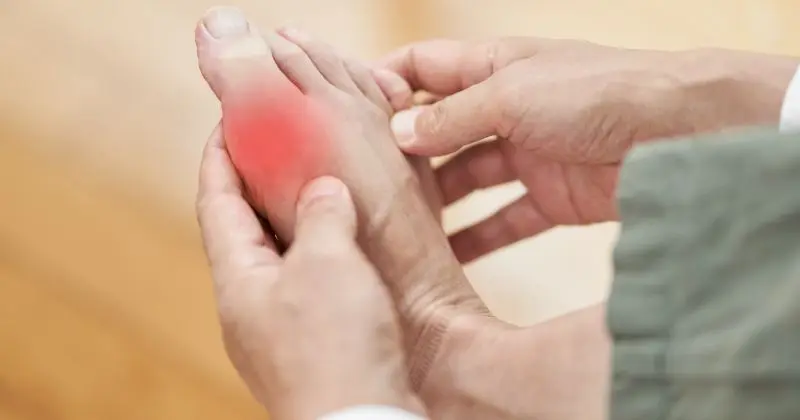
The symptoms of hallux valgus are quite characteristic. The first you usually notice is the deformity itself—the big toe beginning to deviate toward the second toe.
Then comes the pain. My patients describe it to me in different ways: "Doctor, it hurts especially in the evening," or "When I wear closed shoes, it's hell." Some tell me the pain worsens when they walk on hard surfaces.
Then there's inflammation of the "bunion"—that bony prominence that forms at the base of the big toe. It becomes red, swollen, and sometimes even painful to the light touch of sheets.
And here I want to dispel a myth: it's not true that you have to wait until the pain becomes unbearable before intervening. In fact, the sooner you act, the better the results.
How do I diagnose?

When you come into my office, the first thing I do is watch you walk. It seems trivial, but the way you place your foot tells me a lot.
Then I examine the actual foot. I look at the angle of the big toe, check if other toes are involved (often the second toe begins to overlap), and assess joint mobility.
X-rays are essential. They allow me to precisely measure the angles of deformity and plan the most appropriate procedure. Not all osteotomies are the same, and the choice depends precisely on this information.
Weil Osteotomy: A Technique That Makes a Difference
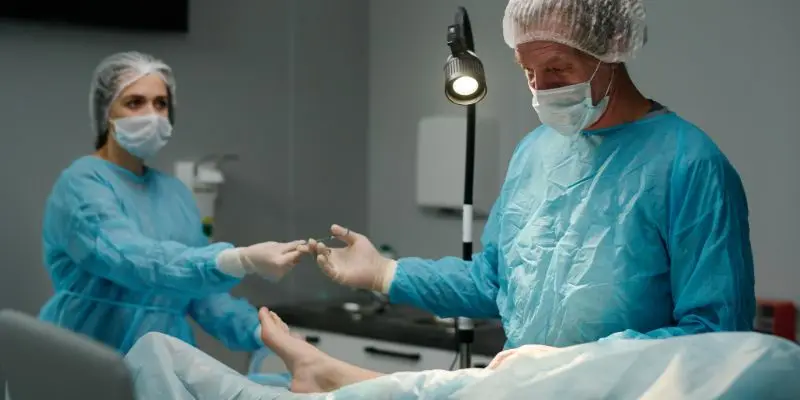
Here's the deal. The Weil osteotomy is a minimally invasive surgical technique that is yielding very interesting results for correcting hallux valgus.
But what exactly does "osteotomy" mean? Simply put, it means "cutting the bone." In the specific case of the Weil osteotomy, a special cut is made on the first metatarsal—the long bone that connects the big toe to the rest of the foot.
The beauty of this technique is that it allows for deformity correction through very small incisions. I'm talking about 2-3 millimeters, not the long cuts of traditional techniques. The result? Less post-operative pain, faster healing, and virtually invisible scars.
The Weil osteotomy is particularly indicated for moderate to severe hallux valgus that hasn't responded to conservative treatments. It also works well when there's an associated hallux rigidus component, a situation I often see in my patients over 50.
The advantages that make the difference
Why choose the Weil osteotomy over other techniques? I'll explain it to you with what I see every day in my practice.
First, recovery time. With traditional techniques, patients often had to stay out of action for weeks. With the Weil osteotomy, however, most are able to walk after just a few days, obviously with the necessary precautions.
Then there's precision. Using specific tools, I can correct the angle of the big toe very accurately, reducing the risk of recurrence.
And let's not forget the aesthetic aspect. Scars are minimal, and for many patients, this is as important as pain relief.
What you need to know about recovery
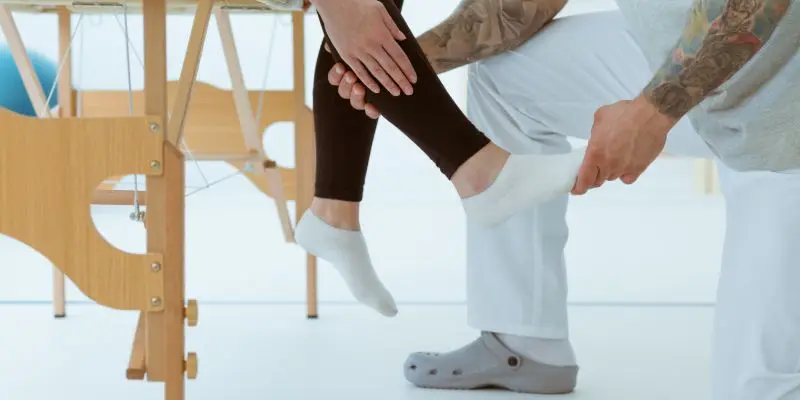
"Doctor, when will I be able to run again?" It's one of the questions you ask me most often. And the answer, as always in medicine, is: it depends.
For the first two to four weeks after surgery, you'll need to wear special shoes that protect your feet. You can walk, but take it easy. No running or long walks.
After about 6-8 weeks, you gradually begin to return to normal activities. Most of my patients return to work (if it doesn't require a lot of standing) within a week.
Full recovery? We're usually talking about 3-6 months. I know it seems like a long time, but consider that we're "redesigning" the mechanics of your foot. Things done well take time.
Prevention: What you can do right now
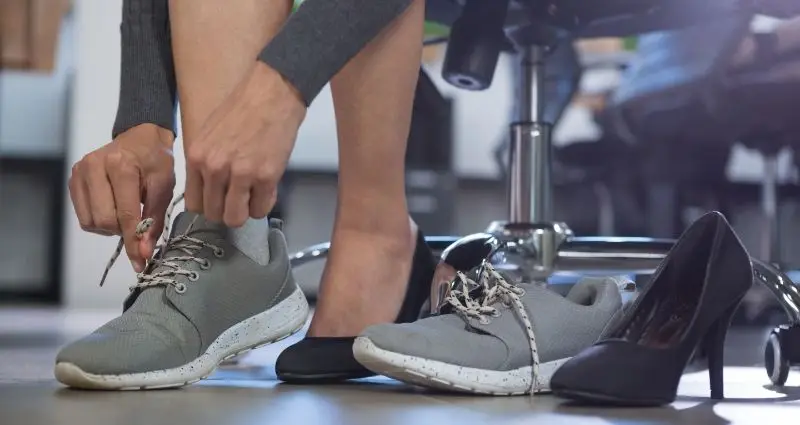
Fortunately, it's not all genetics. There are things you can do to slow or prevent the progression of bunions.
Rule number one: choose comfortable shoes. I know it's easier said than done, but at least try to mix it up. One day heels, the next sneakers. Your feet will thank you.
Then there are exercises to keep your big toe mobile. Simple movements you can even do while watching TV. And if you have flat feet, seriously consider using custom insoles.
SmartHallux: Where we can help you

Here at SmartHallux, we specialize in foot and ankle surgery. Dr. Luigi Manzi, who has extensive experience in this field, provides each patient with a personalized treatment plan using the most modern techniques, including the Weil osteotomy.
What I like about our approach is that we don't just look at the foot, but at the person as a whole. Each procedure is planned considering your needs, your lifestyle, and your expectations.
The SmartHallux team treats conditions such as hallux valgus , Morton's neuroma , and other deformities that cause foot pain. Providing comprehensive support throughout the treatment process, SmartHallux can be a winning choice for effective treatment tailored to your needs. Book your specialist consultation with the SmartHallux team now (opens in a new tab).
Questions you often ask me
Doctor, does the Weil osteotomy hurt?
It's surgery, so there's some pain. However, using minimally invasive techniques, the discomfort is much less than in the past. Most patients tell me it was less severe than they expected.
When can I wear heels again?
Good question! I usually say to wait at least three months for low heels, six months for high heels. But it really depends on your healing process.
Is it true that bunions can come back?
With a Weil osteotomy, the risk of recurrence is low, especially if you follow the post-operative instructions. However, yes, in theory it can happen, especially if you immediately return to your old habits.