
Bone Lengthening: What You Need to Know from an Orthopedic Surgeon
Bone lengthening uses the body's ability to form new bone across a gradually widened gap. The techniques, who it is for and what the recovery involves.
By Dr. Luigi ManziUpdated on
Have you ever heard of bone lengthening? It's one of those procedures that always sparks a lot of curiosity among patients. And I completely understand.
When someone comes into my office and talks about it, I immediately see a mixture of fascination and concern in their eyes. "Doctor, is it really possible to lengthen bones?" The answer is yes, but as always in medicine, there's much more to know.
Let's get one thing straight: this isn't a procedure to be undertaken lightly. Bone lengthening is a complex surgical technique that requires experience, patience, and, above all, the right guidance.
What is bone lengthening really?
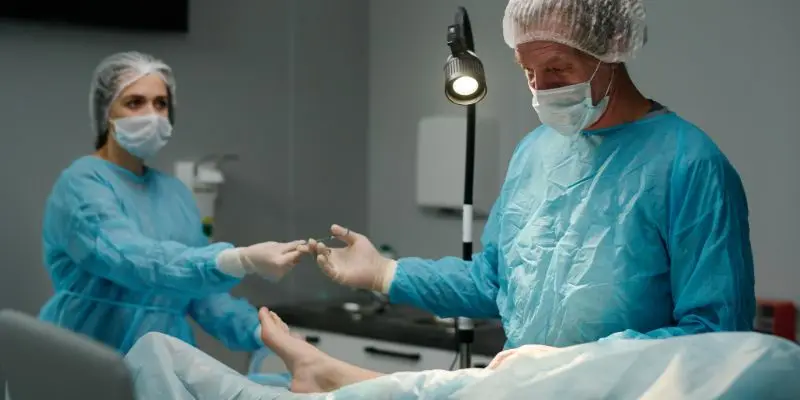
Let's see what we're talking about. Bone lengthening surgery is a procedure that takes advantage of our body's natural ability to form new bone. Amazing, right?
It works like this: after performing a controlled fracture of the bone (we call it an osteotomy), we apply a lengthening device. This device gradually separates the two bone segments, creating a space that our body naturally fills with new bone. It's as if we're telling the body, "Look, there's room here, build more bone!"
The process of lengthening bones is slow and methodical. We're talking about 1 millimeter per day. Does that seem like a small amount? In reality, it's a lot for our bodies. I've seen patients who initially thought it was too slow, but then realized the complexity of the biological process underway.
When is it really needed?

Now, this is interesting because many people think of aesthetic limb lengthening. And yes, that exists too. But in our daily practice as orthopedists, the indications are much more serious.
I've seen cases of children born with congenital defects, where one limb was significantly shorter than the other. Imagine the discomfort of constantly walking unbalanced. Or patients who have suffered severe trauma, with significant bone loss. In these cases, progressive bone lengthening can truly be life-changing.
There are also post-infectious situations. Bone infections can cause significant tissue loss, and this is where this technique comes in. Moreover, when the alternative is living with a permanent disability, it's worth considering all options.
How does it work in practice?
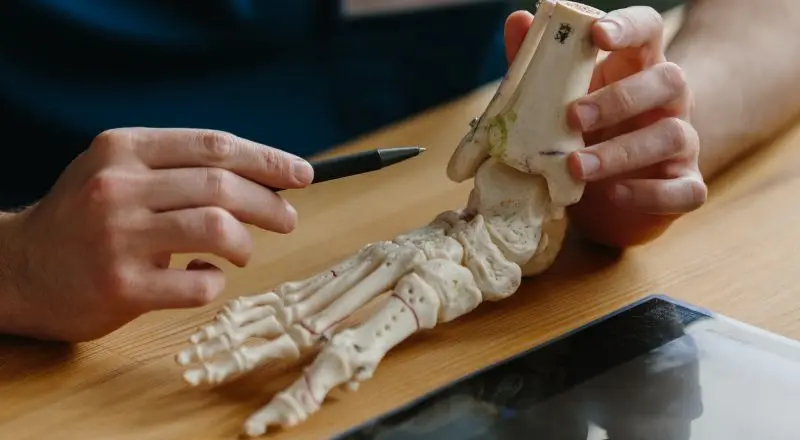
There are several techniques for lengthening bones. The choice depends on the specific case, the bone involved, and the amount of lengthening needed.
The most traditional method involves the application of an external fixator. It seems a little daunting at first—I admit—but it's an incredibly precise instrument. It allows for millimetric control of the lengthening and can be adjusted over time.
More recently, internal devices, which remain under the skin, have also been used. They are less visible, but not always applicable. Each case is different.
The pace of distraction (as we call progressive stretching) is crucial. Too fast and the bone fails to form properly. Too slow and we risk joint stiffness. It's a delicate balance that requires experience.
Symptoms during the process
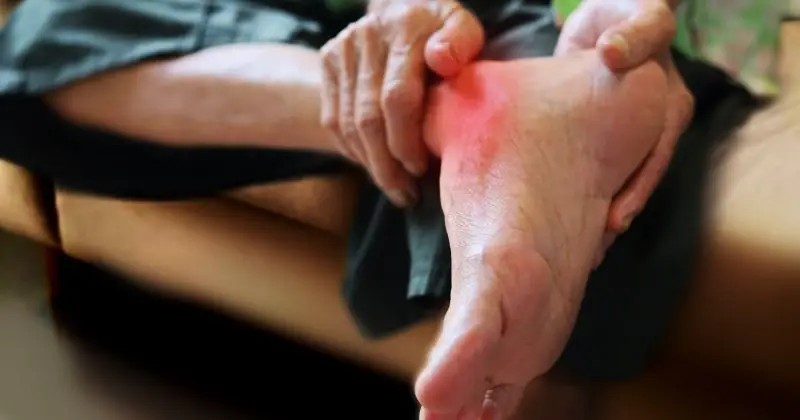
Let's be clear: it's not a walk in the park. Patients often describe a feeling of tension, especially in the first few weeks. "Doctor, I really feel like something is stretching." And that's exactly it.
There's pain, especially at the beginning. It's nothing unbearable in most cases, but you have to be prepared. Morning stiffness is common. Many tell me that the first steps upon waking are the hardest.
During the stretching process, minor muscle contractures may occur. The muscles must adapt to the new anatomical setting. This is normal, but it should be monitored carefully.
How do we diagnose and check?

First of all, we always carefully evaluate whether the patient is truly a candidate for the procedure. Simply wanting the lengthening isn't enough—a clear medical indication is required.
I always take precise X-rays to accurately measure the difference in length. Then we evaluate the general condition of the bones, joints, and soft tissues. It's a team effort: we involve physiatrists, physical therapists, and sometimes even psychologists.
During treatment, checkups are frequent. X-rays are taken every 2-3 weeks to ensure bone formation is progressing properly. It's fascinating to see the images show how the new bone develops, week after week.
What to Expect: The Real Risks

Yes, there are risks. It would be unfair to hide them. Infection is always a possibility when using devices that penetrate the skin. That's why we insist on hygiene at the access points.
Delayed consolidation can occur. Sometimes the bone struggles to form at the expected rate. In these cases, we must slow down or even temporarily suspend lengthening.
I've also seen a few cases of joint stiffness. This is why physiotherapy is essential from the start. It's not optional; it's an integral part of treatment.
Nerve damage is rare but possible. That's why it's crucial to rely on someone with specific experience in this field.
The healing journey
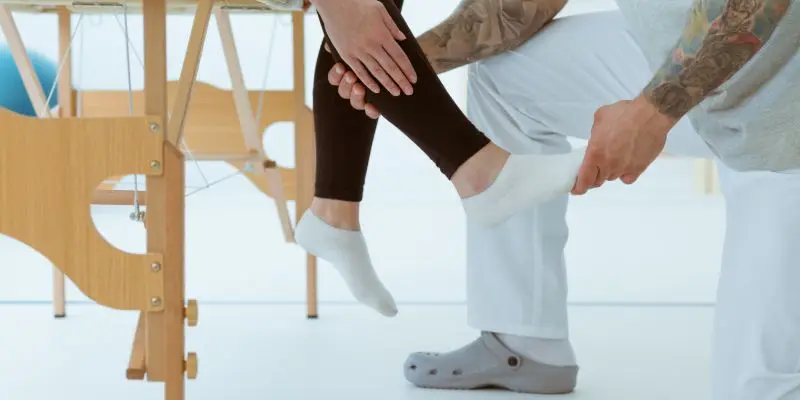
How long does the entire treatment last? It depends on how long we need to extend the treatment. On average, we're talking about 4-6 months for the active phase, plus a few more months for complete consolidation.
Physiotherapy begins very early. We don't wait until the stretching is complete. In fact, maintaining joint mobility throughout the process is essential for a good final result.
The most cooperative patients are the ones who achieve the best results. This is no coincidence. Active participation in the healing process makes all the difference.
SmartHallux: Where we can help you

Here at SmartHallux, we specialize in foot and ankle surgery. Dr. Luigi Manzi, who has extensive experience in this field, provides each patient with a personalized treatment plan using the most modern techniques.
The SmartHallux team treats conditions such as hallux valgus , Morton's neuroma , and other deformities that cause foot pain. Providing comprehensive support throughout the treatment process, SmartHallux can be a winning choice for effective treatment tailored to your needs. Book your specialist consultation with the SmartHallux team now (opens in a new tab).
Questions you often ask me
Doctor, does it really hurt?
Pain is manageable in most cases. We use specific analgesia protocols and, above all, we prepare you for what to expect. Fear of the unknown is often worse than the actual pain.
How much does bone lengthening cost?
Costs vary greatly depending on the complexity. In private facilities, we're talking about figures between €20.000 and €50.000. In some cases, access is possible through the National Health System, when there are clear medical indications.
Can I go back to playing sports afterwards?
It depends on the type of sport and the specific situation. In many cases, yes, but it takes patience. Returning to sports requires gradual and careful rehabilitation.