
Bone Exostosis: Everything You Need to Know
A bone exostosis is a benign bony growth, also called a bone spur, that can form on the foot and heel. The types, the symptoms and when surgery is considered.
By Dr. Luigi ManziUpdated on
Exostoses are growths of bone tissue that, due to chronic irritation, trauma, environmental factors, or genetic mutations, can begin to form on the surface of the bones.
These benign growths, also known as osteomas, are composed of cartilage and bone and represent an abnormal growth of bone. They vary in size and rarely cause pain. The exception is those cases of bony exostoses that arise near nerves or blood vessels.
The best known types of bone exostosis are osteocartilaginous, subungual, solitary and multiple.
Causes of bone exostosis formation

The formation of this type of tissue, such as osteophytes or bone spurs, depends on multiple causes. The exact cause of bone exostoses is unknown, but they are believed to be caused by a combination of genetic and environmental factors. They are more common in children and adolescents and tend to disappear with adulthood.
Exostoses generally form due to chronic irritation, as a result of bone trauma that causes an abnormal growth. Exostoses can also be caused by environmental factors, such as those that form in the ear canal in people who are constantly exposed to wind and humidity, or by genetic factors, such as in the case of hereditary forms of exostosis.
Bony exostoses are common in the mandible, maxilla, and, in general, the skull (paranasal sinus osteomas). In the foot, this type of bony growth usually affects the ankle and heel bones ( heel spurs ).
Bone exostosis: symptoms, diagnosis, and treatment

Pain is common, but the symptoms of exostosis depend on the part of the foot that was hit. Exostosis of the heel, also known as heel spur, in addition to causing pain in the lower part of the heel, especially during sports, can manifest itself with a widespread feeling of soreness in the affected area.
To confirm the diagnosis of exostosis, your specialist may prescribe imaging tests, such as X-rays of the affected anatomical areas. If, after the initial examination, the benign nature of the growth is uncertain, a biopsy of a bone tissue sample may be performed.
Diagnosis of certain forms of exostosis, such as hereditary multiple exostosis, is possible even before birth. The child's genetic condition is analyzed when one parent is a carrier of the disease, but this is usually not a routine test.
In any case, it's important to keep an eye on these types of growths. Their potential developments include malignant degeneration, fractures, functional limitations, and chronic pain.
How is bone exostosis treated?
Although there are no specific prevention strategies, treatment of an exostosis depends on the patient's specific condition. Conservative treatment of this bony growth begins with drug therapy, which is used in most cases. Physical therapy, muscle strengthening exercises, stretching, and the use of footwear that protects the heel (no high heels, for example) are also effective and often effective.
Obviously, to manage bony exostosis, it's advisable to temporarily stop any activities that could aggravate the symptoms. To try to relieve the swelling and pain associated with the appearance of this bony protrusion, the patient may be prescribed anti-inflammatories and the application of ice to the painful area.
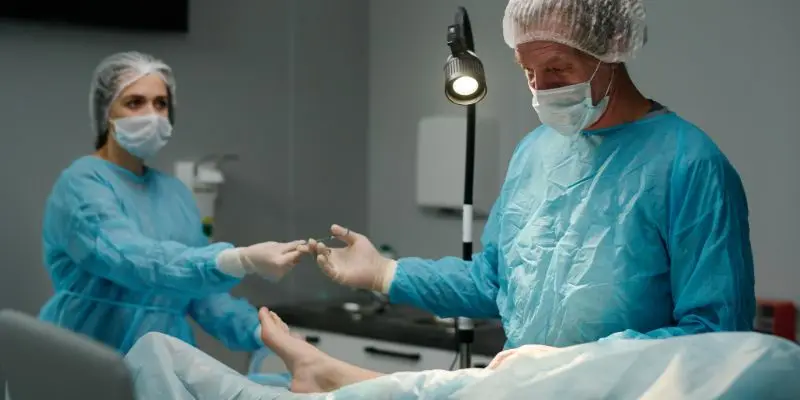
Although in most cases, this benign bony growth on the foot does not require any type of intervention, there are cases in which surgical treatment for exostosis removal may be considered. This is especially true when the severity of the symptoms compromises the patient's quality of life.
Surgery to remove the bony growth and, consequently, restore the foot's physiological anatomy and function is particularly common for the treatment of so-called heel spurs or calcaneal exostosis. The surgical solution is simple and generally allows patients to return home the same day.
Why choose SmartHallux for surgery?

Dr. Luigi Manzi , an orthopedic surgeon specializing in foot and ankle surgery and responsible for Italy for SmartHallux , offers an innovative and minimally invasive treatment for the removal of exostoses and other bony growths.
The SmartHallux team treats conditions such as hallux valgus , Morton's neuroma , and other deformities that cause toe pain. Providing comprehensive support throughout the treatment process, including post-operative recovery, SmartHallux can be a winning choice for effective treatment tailored to your needs. Book your video consultation with Dr. Luigi Manzi now.