
Arch collapse: when the foot "droops"
Arch collapse happens when the ligaments and tendons that hold up the arch weaken, flattening the foot and altering posture and gait. Causes and treatments.
By Dr. Luigi ManziUpdated on
Have you ever noticed that your feet are getting flatter? Or maybe you feel pain along the arch of your foot, especially after a long day on your feet?
It could be a sagging arch. This is a condition I see often in my office and, let's face it, can become truly bothersome if not addressed promptly.
A sagging foot isn't just a cosmetic issue—although many patients come to me worried because "their foot no longer has that beautiful curve it once did." It's a problem that can affect the entire biomechanics of the body. Yes, that's right.
When the arch of the foot collapses: what really happens?
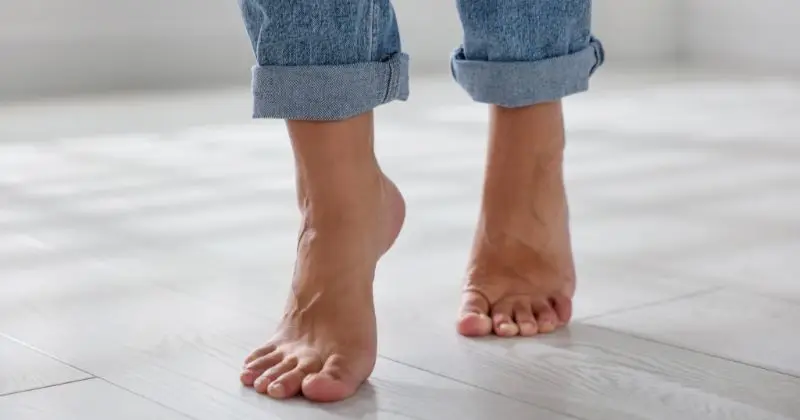
Imagine the arch of the foot like the pillar of a bridge. When it's healthy and strong, it supports the entire body weight, distributing it evenly. But when it begins to give way? That's when the entire system goes into crisis.
Arch sagging is a gradual process. You don't wake up one day and suddenly have flat feet. It usually happens over time, often without you noticing it right away. I have patients who tell me, "Doctor, my mother always said I had beautiful arched feet, and now look at this..."
The problem is that when the bow sags, the tendons and ligaments that are supposed to hold it in place stretch. And that, believe me, is not pleasant.
The causes: why does it happen to you?
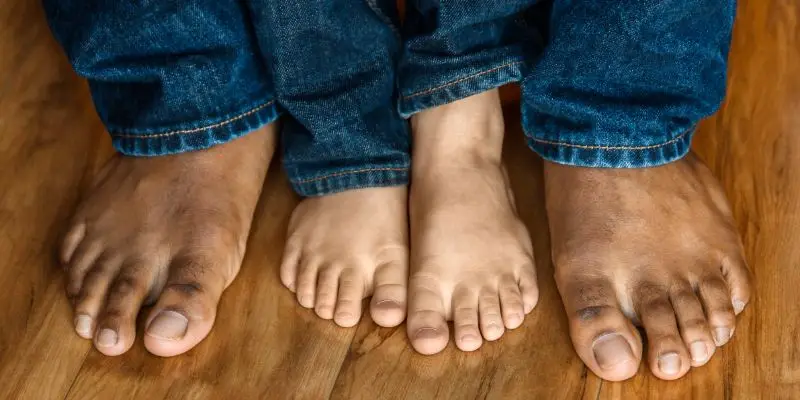
So, let's look at the main culprits of this sagging arch. Genetics plays a significant role—if your parents had similar problems, the likelihood increases. This isn't a definitive answer, mind you, but there is a predisposition.
Obesity is another contributing factor. More weight = more stress on the arch of the foot. It's a simple matter. I've seen patients who, after losing just 10-15 kilos, experienced significant improvements in their arch pain.
Shoes? Oh my God, how many times do I have to say it! High heels, completely flat shoes with no support, ill-fitting shoes… all of these contribute to the problem. Besides, if you force your foot into unnatural positions for hours every day, sooner or later it will rebel.
Then there's intense physical activity. Paradoxical, right? Sports are good for you, but if you overdo it with running, jumping, and high-impact sports without proper preparation, you can overload the arch. Finally, aging is a natural process—tissues lose elasticity and strength over time.
Symptoms: What do you feel when your arch gives out?

The symptoms of a sagging foot arch? They're quite characteristic. Pain in the foot arch is the first warning sign. This pain typically worsens throughout the day, especially if you're on your feet a lot.
"Doctor, I feel fine in the morning, but by evening I can't walk," patients often tell me. This is exactly how it initially manifests.
Stiffness is another common symptom. The foot becomes "stiff," less flexible. Some patients tell me they feel numb, as if their foot is falling asleep. Swelling? That's also present, especially in the arch and ankle area.
And then there are calluses. When the arch sags, the foot's support changes and areas of increased pressure form. The result? Painful calluses, blisters, and thickened skin. In some cases, foot pain can become truly debilitating.
How do I diagnose in my office?

When a patient comes to me with a suspected arch collapse, the first thing I do is look. Simple, right? I observe how they walk, how they place their feet, the shape of their arches.
Then I move on to the actual physical examination. I touch, press, and assess the flexibility of the tissues. I ask you to stand on tiptoe—it's a simple but highly revealing test. If the arch recurs when you stand on tiptoe, that's a different sign than if it stays flat.
X-rays are essential. They allow me to see the bone anatomy, any deformations, and the angle of the arch. But what really makes the difference in my opinion is the baropodometric test. This test measures exactly how you distribute your weight on your feet. It's incredible how precise it is!
With baropodometry, I can see areas of overload that I would never notice with the naked eye. And most importantly, I can monitor progress over time.
Treatment options: What can we do together?

Now let's get to the point. How is arch collapse treated? It depends on the situation, of course.
In early cases, I always opt for conservative treatments. Rest is important—it doesn't mean staying still for months, but avoiding activities that aggravate the pain. Ice helps in acute phases of inflammation. Apply it for 15-20 minutes, 2-3 times a day.
Anti-inflammatory drugs? They're useful for managing pain, but they're not the solution to the problem. They're a crutch, so to speak. Insoles, on the other hand, are often the solution. Custom-made insoles, made after a baropodometric examination. Not the ones you buy at the pharmacy, so to speak.
Physiotherapy is essential. Specific exercises strengthen the foot and leg muscles, and stretching improves flexibility. I've seen patients who, with a good physiotherapy program, have completely resolved their problem.
When conservative treatments aren't enough, surgery is considered. Various techniques exist, from simple tendon release to more complex arch reconstruction procedures. It all depends on the degree of tendon failure and the patient's characteristics.
Prevention is better than cure: my practical advice
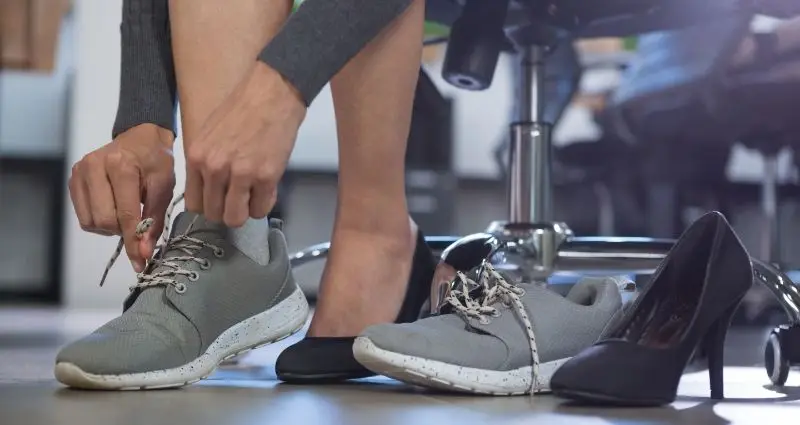
Preventing arch collapse? Start with your shoes. Choose comfortable shoes with a little arch support. High heels aren't necessary, but completely flat shoes aren't recommended either.
Maintain a healthy weight. I know, it's easier said than done, but even a few pounds can make a difference. Stretch regularly—not just before exercise, but as a daily habit.
If you're doing high-impact activities, gradually increase the intensity. Don't go from couch potato to marathon in two weeks!
SmartHallux: Where we can help you

Here at SmartHallux, we specialize in foot and ankle surgery. Dr. Luigi Manzi, who has extensive experience in this field, provides each patient with a personalized treatment plan using the most modern techniques.
Our approach is never one-size-fits-all – every foot is unique and deserves tailor-made treatment.
The SmartHallux team treats conditions such as hallux valgus , Morton's neuroma , and other deformities that cause foot pain. Providing comprehensive support throughout the treatment process, SmartHallux can be a winning choice for effective treatment tailored to your needs. Book your specialist consultation with the SmartHallux team now (opens in a new tab).
Questions you often ask me
Is it true that bow failure can be completely corrected?
It depends on the degree of deterioration and when the intervention is performed. In early cases, with the right treatment, excellent results can be achieved. In more advanced cases, the goal is to halt the progression and reduce pain.
Do insoles have to be worn forever?
Not necessarily. In some cases, they're only useful during the healing process. In others, they become a support that significantly improves quality of life. It's a case-by-case evaluation.
How much does a SmartHallux procedure cost?
The average cost is around €9-€10.000, but we can collaborate with other facilities to achieve more competitive prices. The important thing is not just the price—the quality of the treatment is what really matters.