
Foot Insoles: When They're Really Needed and How They Can Improve Your Life
Foot insoles support the arch and redistribute pressure in plantar fasciitis, bunions and Morton's neuroma. When an orthotic is needed and how to choose it.
By Dr. Luigi ManziUpdated on
Walking should be a natural, pain-free experience. Yet, for many people, every step is a challenge. Whether it's plantar fasciitis , bunions , Morton's neuroma , or heel spurs , the foot is often the site of chronic discomfort that interferes with quality of life. And it's precisely in these cases that a foot orthotic can prove to be an invaluable ally.
The foot: a complex, yet often overlooked, structure
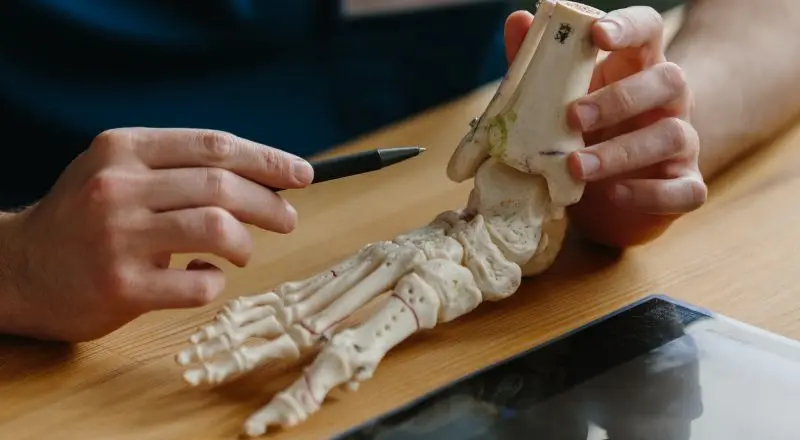
Beneath our feet lies a veritable feat of biological engineering: 26 bones, 33 joints, and over 100 muscles, tendons, and ligaments. Even a small imbalance can trigger a chain of painful compensations in the ankle, knee, or back. This is why it's crucial not to underestimate our body's signals.
Persistent heel pain, burning sensations on the soles of the feet, a feeling of instability or fatigue at the end of the day are never "normal." They are often the first signs of poor foot placement. In these cases, an orthopedic insole not only alleviates the symptom, but also addresses the root of the problem, correcting the foot's alignment and restoring balance to the entire posture.
Who benefits from an insole?

You might think that insoles are only for athletes or the elderly. Nothing could be further from the truth. Anyone with a foot problem can benefit from personalized support. The most common cases include:
- Flat or hollow foot
- Achilles tendinitis or Achilles tendon rupture
- Ankle osteoarthritis or hallux rigidus
- Morton's neuroma and metatarsalgia
- Heel spurs and plantar fasciitis
The foot insole helps redistribute loads, correct support defects and prevent worsening.
SmartHallux and Dr. Luigi Manzi's approach

When pain becomes chronic and conservative solutions aren't enough, surgery may become an option. This is where SmartHallux , the clinic specializing in foot and ankle surgery , founded by Dr. Luigi Manzi, comes in .
The path proposed by SmartHallux is simple but highly personalized: an initial visit (even remotely), any intervention performed in excellent clinics, and a rehabilitation phase followed by specialized physiotherapists.
Those who have turned to SmartHallux often report regaining a freedom of movement they thought was lost forever. It's not just about eliminating pain, but about returning to living life to the fullest.
A foot orthotic isn't just an "orthopedic accessory": it's an investment in your health, posture, and freedom of movement. Don't wait until the pain becomes unbearable or chronic. The sooner you intervene, the easier and more lasting the results will be. Book (opens in a new tab) your specialist consultation with the SmartHallux team now.
FAQ
What causes plantar fasciitis?
Inflammation of the plantar fascia can be caused by excessive strain, poor postural habits, ill-fitting shoes, or excessive body weight.
How is plantar fasciitis recognized?
The pain occurs especially in the morning or after resting, and is concentrated in the heel area or along the arch of the foot.
Is surgery always necessary?
No, in most cases, conservative treatment is possible with physiotherapy, medications, and especially custom-made insoles.