
Metatarsal Collapse of the Foot: When the Bones “Give Up”
Metatarsal collapse is the sagging of the front arch, so the metatarsal heads bear too much load and the ball of the foot hurts. The causes and treatments.
By Dr. Luigi ManziUpdated on
Have you ever felt a pain in the ball of your foot that just won't go away? Maybe you wake up in the morning and just the thought of putting your foot on the ground sends shivers down your spine.
It could be what we call "metatarsal collapse." It's a term I often use with patients because it accurately describes what's happening: the metatarsal bones, those long bones that connect the toes to the rest of the foot, essentially "give way" under the weight and constant stress.
I see tons of cases like this in my office. And every time I have to explain that, yes, the foot hurts, but there's always a solution.
What are these metatarsals and why are they so important?

The metatarsals are five long bones. Five small pillars that support the entire weight of the body when we walk, run, or simply stand.
Think of them like the pillars of a bridge: they must be strong, flexible, and perfectly aligned to distribute the load evenly. When one of these "pillars" begins to give way—due to trauma, wear, or overload—that's when the pain sets in.
The metatarsal joints are incredibly complex joints that allow for multidirectional movement. They must flex, extend, and adapt to the terrain. It's a perfect engineering system, until something goes wrong.
Causes of metatarsal collapse: why does it happen?
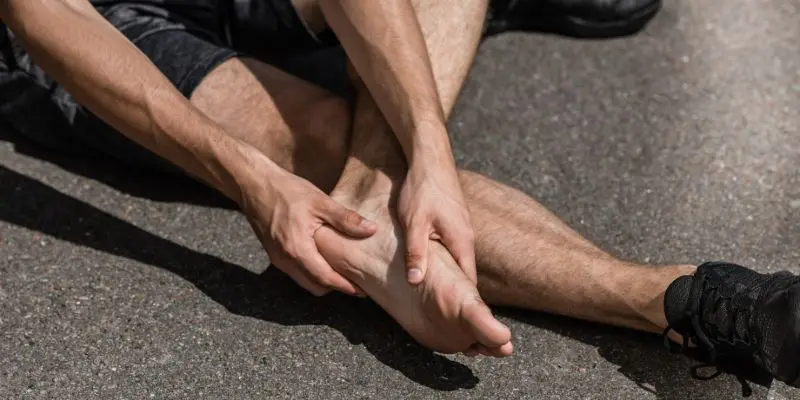
So why do these metatarsals start to “give way”?
The causes are varied and often cumulative. I've seen it countless times: an athlete who runs on asphalt every day, perhaps in the wrong shoes, and on top of that, is predisposed to bunions. It's the perfect storm for a metatarsal collapse.
Overuse is the main cause. When we overuse our feet without providing them with the proper support, sooner or later they will complain. Athletes who play high-impact sports know this well—basketball, running, tennis—all sports that place constant stress on the forefoot.
But it's not just athletes who suffer from it. The other day, a sales assistant came to me: eight hours on her feet every day, wearing high heels. "Doctor, I can't take it anymore," she said. And it was understandable.
Obesity plays a significant role. Every extra pound puts more pressure on the metatarsals. Flat feet can completely alter weight distribution. And then there are traumas—a fall, a sprain—which can lead to stress fractures or dislocations.
Metatarsalgia is often the first warning sign. It's when the inflammation begins to make itself felt, before actual failure occurs.
Symptoms: What patients tell me
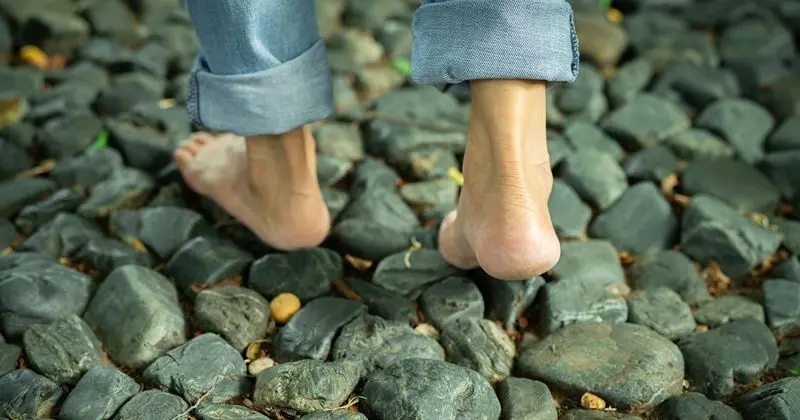
“Doctor, it’s like I’m walking on rocks.”
This is one of the phrases I hear most often when describing the symptoms of metatarsal collapse. The pain is localized, just under the toes, and worsens when walking.
Swelling is almost always present, as is redness. But what most affects patients is a burning or tingling sensation—as if there were a pebble in your shoe that you can never get rid of.
Some tell me the pain is worse in the morning, others that it gets worse in the evening after a day on their feet. It depends a lot on the underlying cause. A stress fracture will cause a sharp, stabbing pain. Simple metatarsalgia begins with a dull ache that gradually increases.
Difficulty walking is another significant symptom. Patients begin to walk in an odd way, trying to lighten the load on the forefoot. However, this can, over time, cause other problems.
How we make the diagnosis

When a patient comes into my office with these symptoms, the first thing I do is observe how he walks.
I can tell a lot from the way he leans on his foot. Then I palpate the painful area, check the alignment of the toes, and check for any deformities or swelling.
An X-ray is always our first imaging test. Simple, quick, and it tells us a lot about the condition of the bones. If I suspect stress fractures or more complex injuries, I resort to an MRI.
It's important to rule out other conditions that can cause similar symptoms. Metatarsal arthritis, neuritis, and tendinitis are all conditions that can muddy the waters.
Sometimes I also use dynamic ultrasound to see how tissues move during walking. It's a valuable tool that allows us to understand exactly what's wrong.
Treatments: from conservative care to surgery

The good news? In most cases, surgery isn't necessary.
We always start with conservative treatment. Rest—but not complete immobility, as the foot needs movement. Ice to reduce inflammation. Anti-inflammatory medications to control pain and swelling.
Orthotic insoles are often the solution. I'm not talking about those generic insoles sold in pharmacies, but rather devices custom-made after a thorough foot examination. They serve to correctly redistribute the load on the metatarsals.
Physiotherapy is essential for restoring proper foot biomechanics. Specific exercises, manual therapies, and muscle relaxation techniques are recommended.
When conservative treatment isn't enough, we turn to surgery. Here at SmartHallux, we use minimally invasive techniques that allow for a quicker and less painful recovery. Metatarsal osteotomies, for example, allow us to realign the bones and properly distribute loads.
Recovery: What to Expect
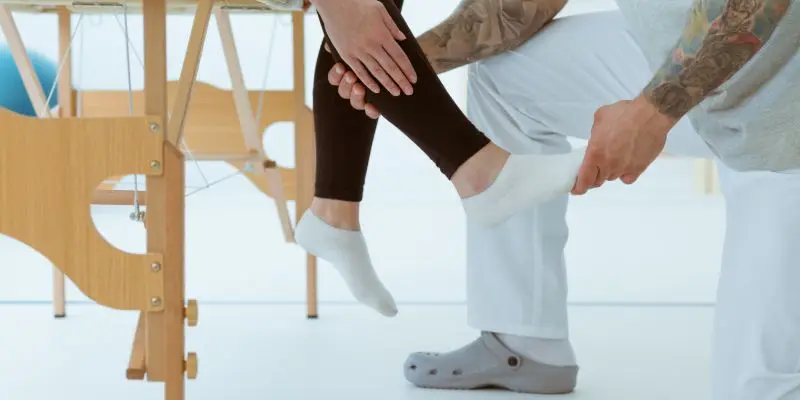
I usually see patients with conservative treatment start to feel better after 2-3 weeks. The pain decreases, the swelling goes down, and walking becomes more normal.
For those requiring surgery, recovery times are slightly longer. For the first two weeks, patients walk in a special shoe. Then, they gradually return to normal footwear. Full recovery takes about 2-3 months, but after just one month, most patients are able to walk without pain.
Post-operative physical therapy is crucial. You should never skip it, even if everything seems fine.
How to prevent metatarsal collapse

Prevention starts with shoes. Comfortable shoes, with the right arch support, that don't pinch your toes. High heels are the enemy of the metatarsals—I'm not saying you should eliminate them completely, but use them sparingly.
Maintaining a healthy weight helps tremendously. Every pound lost is a relief for our poor metatarsals.
Stretching your foot and calf muscles is important. Tight muscles mean more stiffness and more stress on your bones. Spend five minutes a day doing these exercises—they will change your life.
For athletes: vary your workouts, don't always do the same activity. Your body needs different stimuli. And change your running shoes every 500-600 kilometers.
SmartHallux: Where we can help you

Here at SmartHallux, we specialize in foot and ankle surgery. Dr. Luigi Manzi, who has extensive experience in this field, provides each patient with a personalized treatment plan using the most modern techniques.
Our approach is always conservative first, followed by surgery if necessary. We believe in personalized treatment—every foot is different and deserves specific attention.
The SmartHallux team treats conditions such as hallux valgus , Morton's neuroma , and other deformities that cause foot pain. Providing comprehensive support throughout the treatment process, SmartHallux can be a winning choice for effective treatment tailored to your needs. Book your specialist consultation with the SmartHallux team now (opens in a new tab).
Questions you often ask me
Doctor, is the metatarsal collapse serious?
It's not serious in the sense that it's life-threatening, but it can seriously compromise quality of life. If caught early and treated properly, it almost always resolves.
How long does it take to heal?
It depends on the severity and treatment. With conservative therapy, 4-6 weeks. With surgery, 2-3 months for full recovery.
Can I continue to play sports?
Yes, but with the right precautions. Suitable shoes, a suitable training surface, and always listening to your body.
Do I have to wear insoles forever?
Not necessarily. They're often useful in the acute phase and during recovery. Then, if the foot has regained proper biomechanics, they can even be suspended.