
Comfortable shoes after bunion surgery: a practical guide to recovery
Which comfortable shoes to wear after bunion surgery, what to look for before buying and how to move from the post-op shoe back to normal footwear.
By Dr. Luigi ManziUpdated on
After bunion surgery , walking becomes natural again. But for recovery to be truly effective, shoes must also play their part. The wrong choice can slow healing, cause pain, or even compromise the outcome of the surgery.
In this guide, we'll explain which comfortable shoes to wear after surgery, what to consider before purchasing, and how to care for them during the post-op phase.
Why is the right shoe so important after surgery?
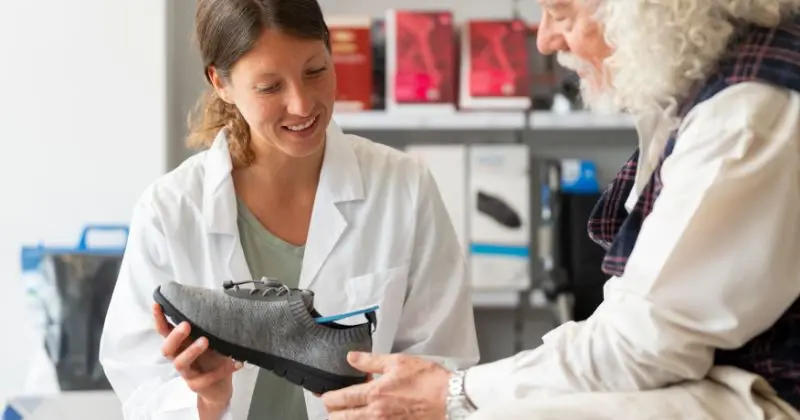
During the first few weeks after surgery, the foot needs support, space, and protection. The operated area may still be swollen or tender, and walking should be gradually re-adapted.
Post-operative shoes aren't just a matter of comfort, they're a true therapeutic tool . They help distribute weight correctly, protect stitches, and reduce the risk of recurrence or complications.
What should a good post-surgery shoe be like?
There are features that cannot be missed:
- Soft and breathable material, to avoid chafing and promote ventilation.
- Flexible but shock-absorbing sole, to accompany the step without traumatizing the joint.
- Wide tip, so as not to compress the big toe while walking.
- Adjustable closure (with laces or straps) to accommodate residual swelling.
Which models are recommended?
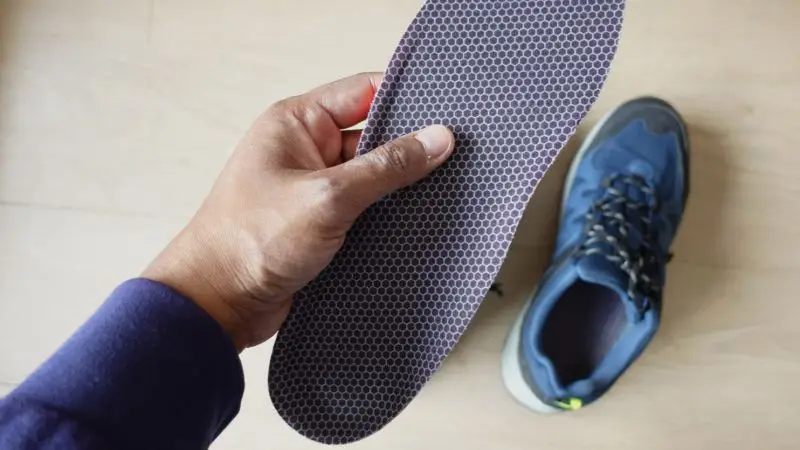
After surgery, there's no need to buy expensive orthopedic shoes. In many cases, standard but well-designed models are perfect. The most suitable options include:
- low-top sneakers, with removable insole and good cushioning;
- soft moccasins with velcro fastening;
- adjustable sandals (preferably with anatomical soles);
- lightweight and flexible boat shoes.
Every foot is different: try on several models and walk around for a few minutes to check the comfort before making a final choice.
When can you go back to wearing normal shoes?

The response varies from patient to patient, but on average, after 4-6 weeks, you can gradually replace your post-operative shoe with standard models, provided they're comfortable and well-structured. In any case, your doctor will determine the timeframe based on the type of surgery and the speed of recovery.
Activities and maintenance

During recovery, you can perform light activities within a few days of surgery, always wearing appropriate footwear. However, avoid long walks, heavy loads, or rigid shoes until your doctor gives you the green light.
To keep your shoes in good condition:
- dry them well if they get damp;
- clean them with delicate products;
- Replace insoles if they wear out.
SmartHallux: Talk to a foot specialist

Every procedure is different. Therefore, choosing the most suitable shoe must be based on your specific situation. Dr. Luigi Manzi , specializing in minimally invasive foot and ankle surgery, can advise you on the best post-operative solutions and guide you through your recovery process.
The SmartHallux team treats conditions such as hallux valgus , Morton's neuroma , and other deformities that cause foot pain. Providing comprehensive support throughout the treatment process, SmartHallux can be a winning choice for effective treatment tailored to your needs. Book your specialist consultation with the SmartHallux team now (opens in a new tab).
FAQ
How soon after surgery can I drive or walk for long periods again?
Typically after 4-6 weeks, but only with medical approval. The right shoe helps you gradually resume activity.
What shoes should I choose for the summer?
An adjustable sandal, with an anatomical footbed and cushioned sole, is one of the best solutions.
Should post-surgery shoes be orthopedic?
Not necessarily. It's more important that they're comfortable, stable, and have a good fit.