
Foot lengthening: when nature needs a hand
Foot lengthening is a surgical procedure for a foot that has stayed shorter than the other. It is not cosmetic: who it is for and how it works.
By Dr. Luigi ManziUpdated on
You've probably heard about foot lengthening and are probably wondering what exactly it is. Don't worry. It's normal to have doubts about such a specific topic.
Foot lengthening is a surgical procedure used to increase the length of a foot that, for various reasons, has remained shorter than the other or presents functional problems related to its size. We're not talking about cosmetic surgery, mind you. We're talking about procedures aimed at improving the quality of life of patients with real, often serious, problems.
In my office, I often see people who have lived with this condition for years, and I have to say that when they finally decide to do something about it, the results can be truly transformative.
When the foot "doesn't grow" as it should
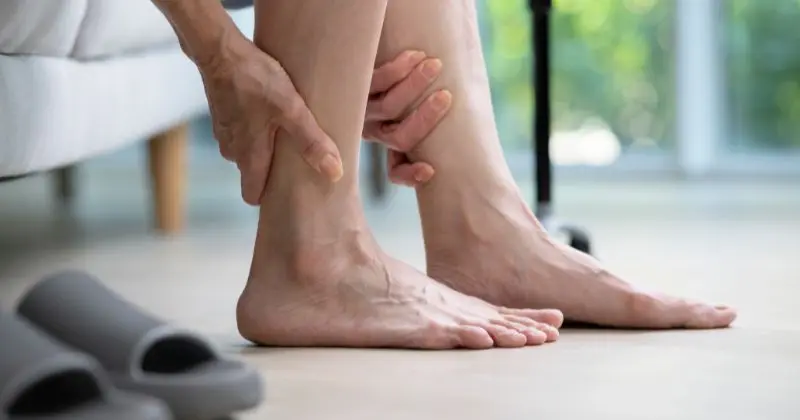
But why might one foot be shorter than the other? There are several reasons, and some might surprise you.
Trauma is often the main culprit. A poorly healed fracture during growth can stunt normal bone development. I've seen children who developed significant limb length differences after an accident. Severe bone infections can have the same devastating effect, especially if they affect growth zones.
Then there are congenital anomalies. Some people are born with this condition. Epiphyseal dysplasia, for example, is a problem affecting the growth plates. Others have problems related to cerebral palsy or other neurological conditions that affect musculoskeletal development.
In fact, certain metabolic or genetic diseases can also cause these problems. The result? A foot that never reaches the "right" size compared to the contralateral one.
The consequences go far beyond aesthetics. We're talking about serious functional problems: difficulty walking, back pain, and postural problems. The body always tries to compensate, but this often leads to pain in other areas.
The different surgical approaches
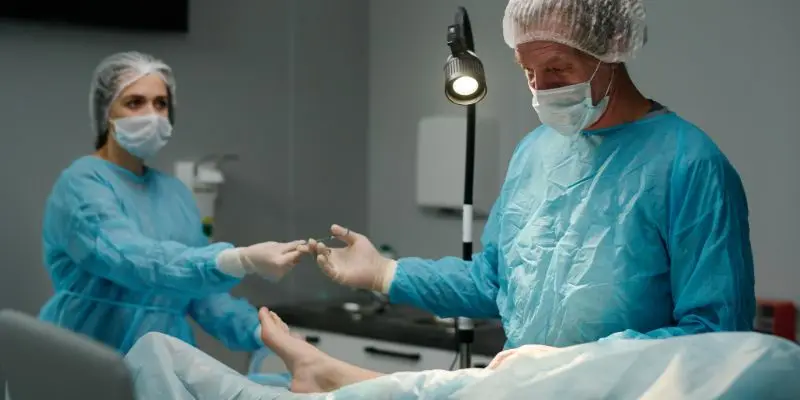
Now, when we talk about foot stretching, we need to distinguish between different techniques. There's no "one size fits all" approach.
Bone lengthening is the most well-known technique. A controlled cut is made in the bone—what we call an osteotomy—and then it is gradually lengthened using an external fixation device. It's like gently pulling the bone while new bone grows in the resulting gap. It sounds like science fiction, but it works beautifully.
Then there's soft tissue stretching, which focuses on muscles, tendons, and ligaments. This is important because simply stretching the bone isn't enough if the surrounding tissues are too tight to allow normal movement.
Sometimes we combine both approaches. It depends on the specific case. Every patient is different, and what works for one may not be the best choice for another.
Surgery: What to Really Expect

Let's look at what happens when we decide to proceed with surgery. First, there's a thorough preparation phase. I always have specific tests performed to assess bone quality, circulation, and general health.
The actual surgery involves the application of an external fixator—a device that may seem impressive, but it's absolutely safe and effective. Over the following days, we gradually begin lengthening the arm, one millimeter per day, usually divided into small increments. The patient learns to operate the device themselves.
The interesting thing is that the bone responds by creating new bone tissue at the site of the stretch. It's a natural process that we exploit in a controlled manner. It takes weeks or months, depending on how much we need to stretch.
There are risks, of course. Infection, healing problems, pain, and possible damage to surrounding tissue. But with the right technique and appropriate follow-up, most patients achieve excellent results.
The rehabilitation process

The postoperative period is crucial. It doesn't all end with the surgery; on the contrary, rehabilitation is the phase that truly determines the success of the operation.
Patients must use crutches or braces for several weeks. Physical therapy begins early but gradually. The goal is to maintain joint mobility and strengthen muscles that may have weakened slightly during stretching.
I've noticed that the most motivated patients achieve the best results. Those who scrupulously follow the fixator care instructions, who do the prescribed exercises, and who don't skip checkups. After all, it's a team effort.
Recovery time varies greatly. It depends on the amount of stretching needed, the patient's age, and the individual response. Typically, it takes a few months before normal activities can be resumed.
SmartHallux: Where we can help you

Here at SmartHallux, we specialize in foot and ankle surgery. Dr. Luigi Manzi, who has extensive experience in this field, provides each patient with a personalized treatment plan using the most modern techniques.
What I like about our approach is the attention to the entire process, from the initial assessment to full recovery. We're not just skilled at operating—and I have no doubt about that—but we support patients through every step of the process.
The SmartHallux team treats conditions such as hallux valgus , Morton's neuroma , and other deformities that cause foot pain. Providing comprehensive support throughout the treatment process, SmartHallux can be a winning choice for effective treatment tailored to your needs. Book your specialist consultation with the SmartHallux team now (opens in a new tab).
Questions you often ask me
Doctor, does it hurt a lot?
There is pain, especially in the first few days after surgery. But we have excellent protocols for managing it. Most patients tell me it's more bearable than they expected.
How much can I stretch my foot?
It depends on the case. We can usually achieve lengthenings of a few centimeters, but each situation must be evaluated individually. The important thing is not to be too aggressive and to respect the biological timeframe.
Will I be able to play sports after surgery?
In most cases, yes, but you need to be patient. Returning to sports is gradual and always under medical supervision.
Is it true that elongated bones are more fragile?
No, this is a misconception. The bone formed during lengthening, once fully consolidated, has the same mechanical properties as normal bone.