
Growth plate: a complete guide to understanding and protecting it
The growth plate is the area of cartilage at the ends of children's bones where growth happens. How it works, how it can be injured and when to see a doctor.
By Dr. Luigi ManziUpdated on
As a child grows, there are phases in which real "spurts" are observed: suddenly, shoes become tight, pants become short, the stride lengthens. All this happens thanks to a structure as silent as it is fundamental: the growth plate.
Present only in children and adolescents, this cartilage is found at the ends of long bones—such as the femur, tibia, and humerus—and is what allows the bones to progressively lengthen until they reach their final length. It is a sort of active "growth zone," working tirelessly until the end of development.
A key structure for growth
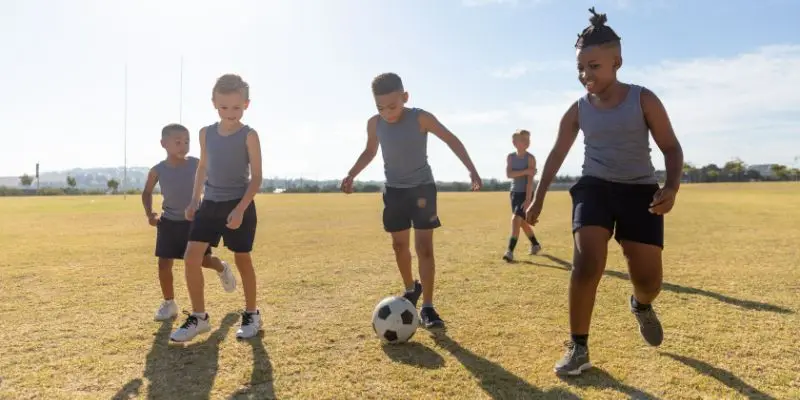
Growth cartilage, also called epiphyseal cartilage, is composed of cells that multiply and transform into bone, thus contributing to the lengthening of the entire skeleton. This process is gradual and regulated by numerous factors: hormones, genetics, nutrition, and even lifestyle.
Over time, cartilage transforms into actual bone. This event, known as "closure" of the growth plate, marks the end of the growth phase. Closure doesn't occur at the same time for everyone: in females, it usually happens earlier, while in males, it can continue until age 18-20.
When something goes wrong

Because it's a delicate structure, growth plate is also particularly vulnerable. Sports injuries, infections, or certain genetic conditions can seriously damage it, negatively impacting bone growth. In some cases, even a single injury can cause leg length discrepancy or a deviation in the bone axis.
Among the most common problems are Legg-Calvé-Perthes disease and epiphyseal dysplasia , complex conditions that compromise the normal development of the joint. If not identified early, they can lead to permanent and serious complications.
Diagnosis is essential

Persistent pain in a joint, unexplained limping, or asymmetrical growth are signs that warrant attention. A specialist, through a physical examination and imaging tests (such as X-rays or MRI), can assess the health of the cartilage and provide the most appropriate treatment.
How to protect your growth plate

Prevention involves small daily steps: a diet rich in calcium and vitamin D, regular but not excessive physical activity, and protection from falls with appropriate footwear are all helpful strategies. Avoiding overload, especially in competitive sports, is also important to avoid jeopardizing developing cartilage.
SmartHallux: Book a specialist visit

A targeted check-up can make a difference in proper bone development. If you have concerns about your child's bone growth or suspect a growth plate problem, contact Dr. Luigi Manzi and the SmartHallux team . You'll be supported by professionals experienced in pediatric orthopedics with a humane and up-to-date approach.
Dr. Luigi Manzi , an orthopedic surgeon specializing in foot and ankle surgery, is a leading expert in growth plate issues. Thanks to his experience treating even the most delicate developmental cases, he can guide children and adolescents through a personalized diagnosis, monitoring, and treatment plan. Book your specialist video consultation with Dr. Luigi Manzi now.
FAQ
What is growth plate?
It is a region of cartilage tissue located at the ends of long bones, responsible for growth in length during childhood and adolescence.
Where is the growth plate located?
At the end of each long bone, between the central body of the bone and its end.
What are the most common growth plate problems?
Trauma, infections, tumors, and growth disorders can damage cartilage and impair skeletal development.