
Marginal Osteophytosis: Causes, Symptoms, and Treatment
Marginal osteophytosis: small bone spurs at the edges of a joint, often a sign of osteoarthritis. What the X-ray report means and how it is treated.
By Dr. Luigi ManziUpdated on
Our bones and joints can be affected by a clinical condition called marginal osteophytosis, characterized by the presence of growths and small spurs, called osteitis, that form along the joint margins of bones. These growths may be small and asymptomatic, or they may be larger and cause pain, stiffness, and difficulty moving. Generally, this condition is virtually asymptomatic, but it can be concerning in some specific cases.
When, for example, these bony growths develop along the edges of joints, we speak of marginal osteophytosis, a phenomenon which, due to the fact that the osteophytes are oriented outward and come into contact with other tissues, can be painful and limit mobility.
Marginal osteophytosis is more common in older people, but can also occur in younger people.
Causes and symptoms of marginal osteophytosis

Among the most important causes of osteophyte formation are congenital problems, aging, osteoarthritis, trauma, and poor posture. Often, it's a combination of these factors. Osteophytosis isn't a problem that affects the feet exclusively, but can affect various joints (knee, hip, hand, neck). Depending on the orientation of the osteophytes, which can face inward or outward, it's classified as central osteophytosis or marginal osteophytosis . The latter is often the result of advanced osteoarthritis, a degeneration of the cartilage that leads to the formation of bone spurs. In other cases, this condition can develop following joint trauma and/or joint wear that promotes the development of osteophytes.
Although it is difficult to identify specific symptoms, in some cases the main warning signs can manifest differently, depending on the location of the osteophytes. The most common symptoms include pain, stiffness, difficulty moving, and swelling. Marginal osteophytosis may cause:
- Pain that tends to worsen during movement of the joint and which, in the most severe cases, can continue even when at rest;
- Stiffness and progressive loss of joint mobility;
- Muscle weakness and tingling, especially if the osteophytes are very large and cause compression of the nerves.
Osteophytes can also interfere with surrounding tendons or ligaments, causing inflammation and widespread pain.
How to detect marginal osteophytosis and what treatments are available to cure it
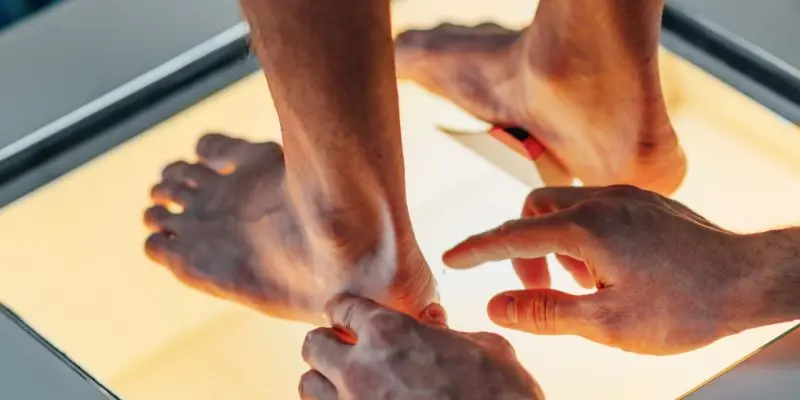
If you suspect you have marginal osteophytosis and the (probable) presence of osteophytes is interfering with your daily life, it's best to consult a doctor for a diagnosis and treatment plan. An X-ray is sufficient to highlight the characteristic signs of marginal osteophytosis, namely the formation of small bone spurs. Depending on the severity of the symptoms and the impact of this condition on the patient's quality of life, conservative treatments may be chosen (especially in less severe cases). These treatments help correct the cause. These treatments consist of local cortisone injections, nonsteroidal pain relievers to reduce pain and inflammation, and specific physical therapy exercises to regain strength and flexibility while reducing stiffness in the affected body part.
However, when small bone spurs develop along the edges of the joints, persistent pain is likely, caused by nerve compression. In cases of marginal osteophytosis, surgery may be necessary to remove the osteophytes, followed by a period of rehabilitation to restore full joint function.
For specialized support, book a consultation with Dr. Luigi Manzi, a specialist physician, to receive an accurate diagnosis and a personalized treatment plan for your marginal osteophytosis.