
Heel osteophyte: when your heel really hurts
A heel osteophyte, or calcaneal spur, is a bony outgrowth on the heel bone that causes pain on standing and walking. Why it forms, the symptoms and treatments.
By Dr. Luigi ManziUpdated on
Have you ever woken up in the morning and, as soon as you put your foot down, felt a sharp pain in your heel? That sensation as if someone was pricking you with a nail?
Well, they could be calcaneal osteophytes. Or, as we doctors often call them, "heel spurs." It's not a cheerful name, I know. But let's see together what these bony formations really are and, above all, what can be done.
I've seen thousands of patients with this problem in my practice, and I'll tell you one thing right away: you're not alone. Heel spurs are more common than you think, especially after age 40.
What is this blessed heel spur?
So, let's get this straight.
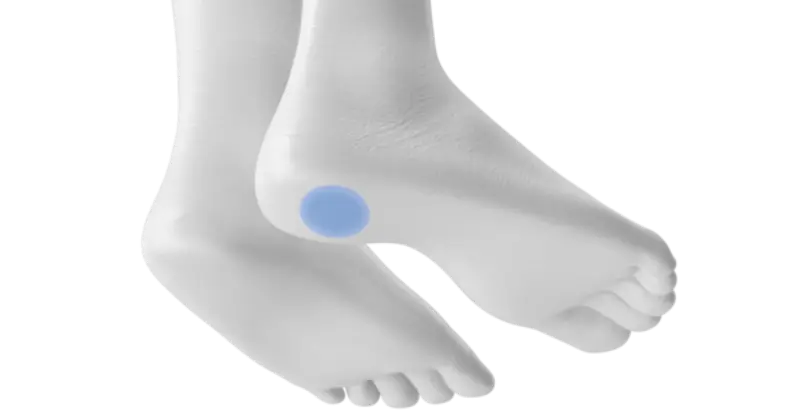
Calcaneal osteophytosis is essentially an abnormal bone growth on the calcaneus—the heel bone. Imagine that your body, to protect itself from repeated stress, decides to "build" extra bone tissue. It's like a callus, but made of bone.
This bony spur on the heel can form in two different places. There's the inferior calcaneal spur, which grows toward the ball of the foot—the one that hurts the most when you walk. And then there's the superior calcaneal spur, which develops behind, where the Achilles tendon attaches.
Retrocalcaneal spurs are the posterior ones, and are often confused with other conditions. After all, the foot is complicated!
Why does this bone spur appear?
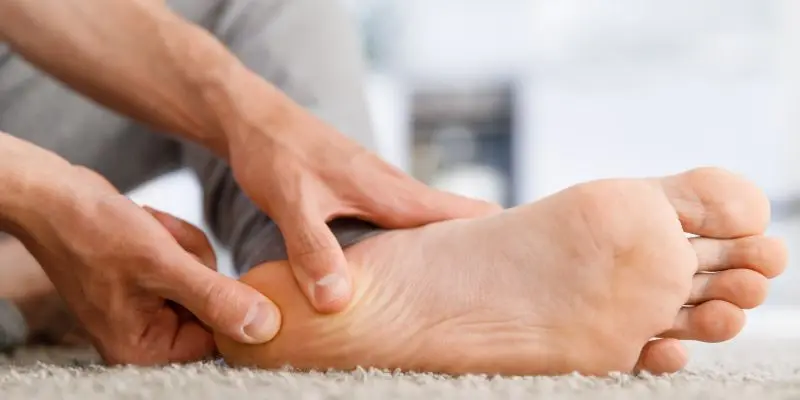
Here's a question everyone asks me: "Doctor, why me?"
The mechanism is always the same: repeated mechanical stress. The body tries to strengthen an area that's been overworked, and it does so by depositing calcium. It's a bit like when calluses form on the hands to protect the skin.
There are several factors that predispose to heel pain. Age is certainly one—after 40-50, tissues become less elastic. Excessive body weight places more strain on the heel. Jobs that require a lot of standing. Incorrect shoes that don't provide adequate cushioning.
And then there are anatomical issues. Those with flat or high-arched feet are more likely to develop heel spurs. Those who run a lot or play high-impact sports are also at greater risk.
Interestingly, heel spurs are often associated with plantar fasciitis. They're like two sides of the same coin.
Symptoms: when the heel "talks"

Pain. This is the main symptom of heel pain.
But it's not just any pain. My patients always describe it the same way: "It's like walking on nails," "It feels like someone's stabbing me in the heel," "It's terrible in the morning, then it gets a little better."
This pain to the touch is typical. Morning stiffness is classic—after lying in bed, even the first few steps are a pain. Then, as you gradually warm up, it gets better. But in the evening, after a day on your feet, it returns.
Difficulty walking varies from person to person. Some can live with it, while others experience a noticeable limp. It depends on the size of the heel spur and its exact location.
How do we diagnose?

When a patient comes to me with heel pain, the first thing I do is listen.
The medical history is crucial. I ask when the pain started, if it gets worse at certain times, and if there's been any trauma. Then I look at how they walk, check the shape of their foot, and feel the painful area.
But a definitive diagnosis of heel spurs always requires an X-ray. It's the primary test for identifying osteophytes. This bony projection protruding from the heel is clearly visible. Sometimes it looks just like a spur, which is why it's called a "heel spur."
Ultrasound can be useful for evaluating the surrounding soft tissues—plantar fascia, tendons. And if I have any concerns or suspect other pathologies, I may request an MRI. But in most cases, X-rays are more than sufficient.
What can we do to cure it?

The good news? It almost always resolves without surgery.
The first approach is always conservative. Relative rest—this doesn't mean standing still like a statue, but avoiding activities that trigger the pain. Ice for acute episodes, 15-20 minutes several times a day.
Anti-inflammatories help, both oral and as topical gels. But be careful, don't use them for too long without medical supervision.
Physiotherapy is often effective. Stretching exercises for the plantar fascia and Achilles tendon, shockwave therapy to stimulate healing, and laser therapy for its anti-inflammatory effect.
Orthopedic insoles make a difference. A good insole relieves the heel and corrects any support issues. Not the ones you buy at the supermarket, mind you. I'm talking about custom-made insoles.
I reserve cortisone injections for the most recalcitrant cases. They're effective, but they must be administered with care and in the right hands.
When is surgery necessary?
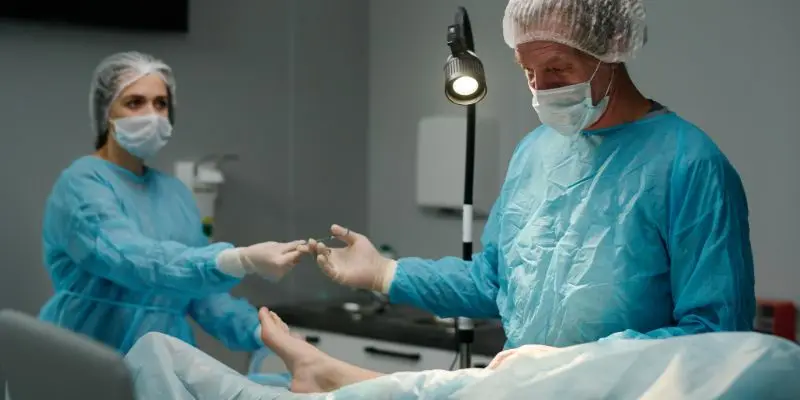
Rarely, fortunately.
I consider surgery for calcaneal osteophytosis only when all conservative treatments have failed and the pain is truly debilitating. It involves removing the calcaneal spur and, often, also freeing the plantar fascia.
It's a procedure that requires specific experience. It's not something you can improvise.
How to prevent heel spurs?
Prevention begins with proper footwear. Shoes with good cushioning and arch support are essential. Change your running shoes regularly if you play sports.
Weight control is important. Every pound lost means less stress on the heel.
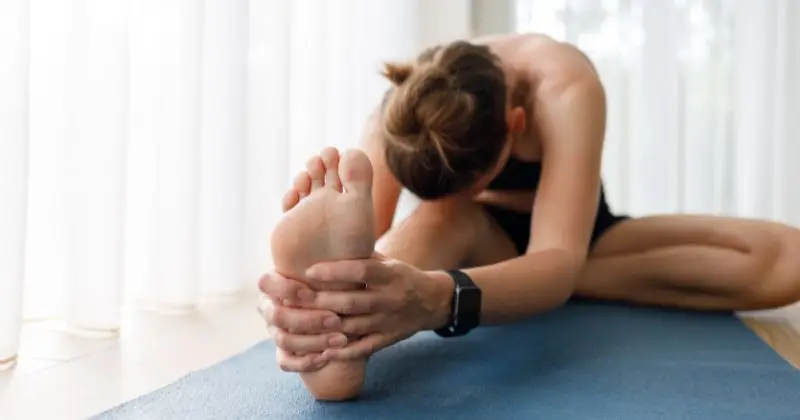
Daily stretching exercises help keep tissues supple. Five minutes in the morning can make a difference.
SmartHallux: Where we can help you

Here at SmartHallux, we specialize in foot and ankle surgery. Dr. Luigi Manzi, who has extensive experience in this field, provides each patient with a personalized treatment plan using the most modern techniques.
For us, every case of foot spur is different. There are no one-size-fits-all protocols.
The SmartHallux team treats conditions such as hallux valgus , Morton's neuroma , and other deformities that cause foot pain. Providing comprehensive support throughout the treatment process, SmartHallux can be a winning choice for effective treatment tailored to your needs. Book your specialist consultation with the SmartHallux team now (opens in a new tab).
Questions you often ask me
Doctor, can this heel spur come back after treatment?
It can happen, especially if the underlying causes aren't addressed. That's why I always insist on proper footwear and regular stretching.
Is it true that shock waves hurt?
There's some discomfort, but it's bearable. And the results are often excellent. It's worth a try before considering more invasive solutions.
How long does it take to heal?
It depends on many factors. With the right treatment, many patients feel better within 2-3 months. Some take longer; a lucky few improve sooner.
Can I continue to play sports?
You need to modulate your workout. Stop high-impact sports until the pain subsides. Then, gradually resume, always with the right shoes.