
Heel Spur Surgery: When It's Really Necessary and What to Expect
Heel spur surgery is reserved for cases where pain persists despite conservative treatment. The techniques, recovery and questions to ask before deciding.
By Dr. Luigi ManziUpdated on
Heel pain can become a hindrance to daily life. When it doesn't respond to conservative treatment and worsens to the point of making walking difficult, one of the most common causes is a heel spur , also known as a calcaneal spur . In some cases, the only effective and permanent solution is heel spur surgery .
What is a Heel Spur?
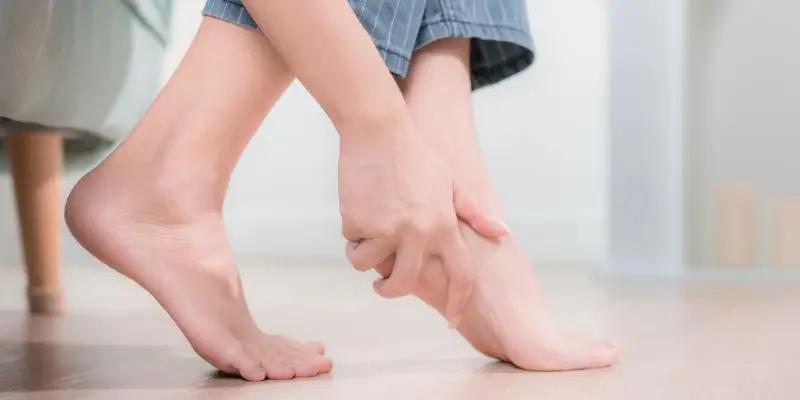
A heel spur is an abnormal bone formation, a small growth that develops where the soft tissues attach to the calcaneus (heel bone). It is usually associated with chronic plantar fasciitis or calcaneal enthesopathy.
The main symptoms include:
- Sharp pain in the heel, especially in the morning
- Sensation of a “nail in the heel” when walking
- Worsening with prolonged load or after physical activity
How is it diagnosed?

The diagnosis is based on:
- Objective examination: pressure on the painful area
- Radiography: visual confirmation of the heel spur
- Ultrasound or MRI: to evaluate soft tissue inflammation
Alternatives to surgical treatment

Before surgery, the patient is treated with conservative approaches:
- Rest and ice
- Anti-inflammatory drugs
- Stretching and targeted physiotherapy
- Orthopedic insoles and shoes with arch support
- In some cases, cortisone injections o shock wave therapy
When these methods fail, surgery is considered.
Surgery: How does it work?
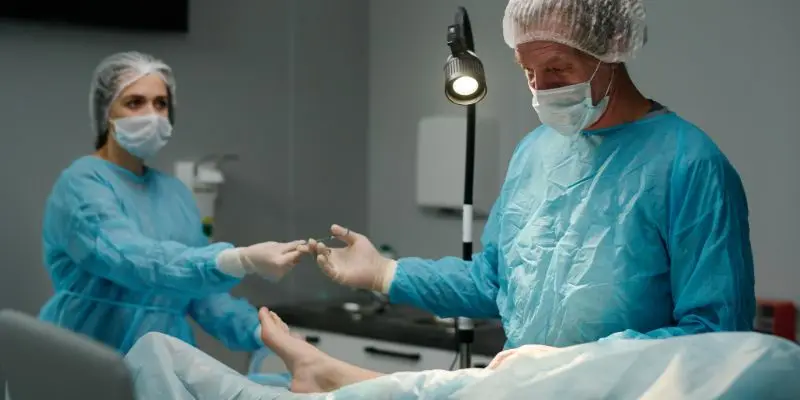
Heel spur surgery is aimed at removing the bone formation and reducing tension on the plantar fascia, often through plantar fasciotomy.
The technique used by Dr. Luigi Manzi is distinguished by:
- Approach minimally invasive
- Minimal incisions and reduced scarring
- Shorter recovery times
- Lower risk of complications
The patient can usually put partial weight on the foot after just a few days, with functional recovery estimated at between 6 and 8 weeks.
Post-surgery rehabilitation
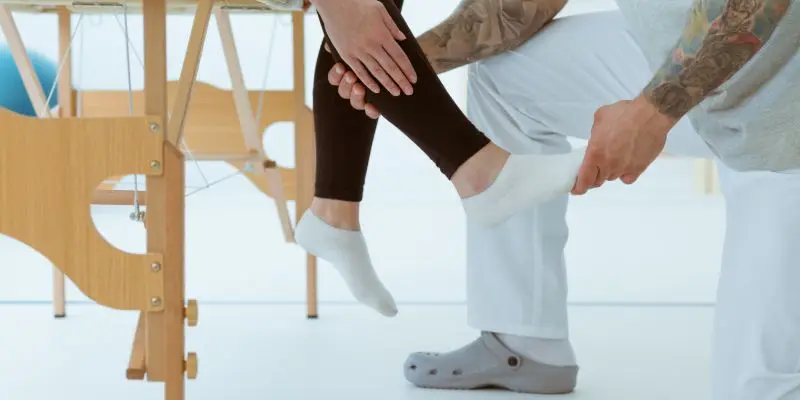
The rehabilitation phase is essential to avoid relapses:
- Gradual stretching of the plantar fascia and calf
- Manual therapy to improve mobility
- Weight bearing re-education and in step
SmartHallux: The benefits of surgery with Dr. Luigi Manzi

Choosing SmartHallux and Dr. Manzi means:
- Consolidated surgical experience
- Updated and less invasive techniques
- Service Achilles tendon emergency room
- first visit to Milan, Rome, Naples or telemedicine
- Competitive prices and cost transparency
Heel spurs may seem like a small problem, but they have a huge impact on daily life. When all other remedies fail, surgery can offer lasting relief and a return to normalcy. Putting yourself in expert hands, like those of Dr. Luigi Manzi, makes all the difference.
The SmartHallux team treats conditions such as hallux valgus , Morton's neuroma , and other deformities that cause foot pain. Providing comprehensive support throughout the treatment process, including post-operative recovery, SmartHallux can be a winning choice for effective treatment tailored to your needs. Book (opens in a new tab) your specialist consultation with the SmartHallux team now.
FAQ
How long does recovery take?
On average 6-8 weeks, with individual variations.
What are the risks of the operation?
Minimal but possible risks: infection, hematoma, residual pain.
When to operate on a heel spur?
When the pain persists for months despite conservative treatments.
Is there a definitive alternative to surgery?
Not always. If the thorn is symptomatic and resistant, surgery is the most effective solution.