
Osteoarthritis in the painful or inflammatory phase: What's really happening to your foot?
Osteoarthritis in the painful or inflammatory phase is a flare-up: the joint swells and aches at rest. Why it happens without trauma and how to calm it.
By Dr. Luigi ManziUpdated on
You wake up in the morning and feel that pain as soon as your foot hits the ground. Maybe you underestimated it at first—who hasn't? But when the pain becomes constant, when the stiffness accompanies you throughout the day, then you realize something's wrong.
Osteoarthritis in the painful or inflammatory phase is more common than you might think. In my office, I see patients every week who come in with this problem. And they often say, "Doctor, I don't understand, I haven't done anything special..." Well, that's the point. Osteoarthritis doesn't always appear after obvious trauma.
What Really Happens When You Have Osteoarthritis

Think of cartilage as the smooth lining that allows your joints to move without friction. It's like the oil in a car engine. When this "oil" starts to run out, the bone surfaces begin to rub together. The result? Pain, stiffness, and that "gritty" feeling when you move the joint that we doctors call crepitus.
But there's something important to understand. Osteoarthritis has two main phases: the painful phase and the inflammatory phase. It's not that they're two different diseases, mind you. They're the same condition that presents itself in different ways.
The painful phase is when pain predominates. It's that dull, constant ache that worsens with movement and improves with rest. The inflammatory phase, on the other hand, is characterized by swelling, heat, and redness. Sometimes the two phases alternate, other times they overlap.
Why does foot osteoarthritis occur?
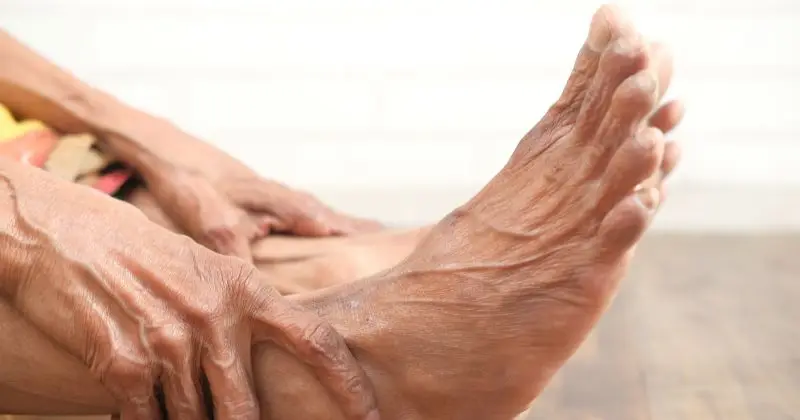
The causes are varied, and often combined. Age is certainly a factor—we call it degenerative osteoarthritis for a reason. As we age, cartilage wears away naturally. This is normal.
But it's not just a question of age. Excess weight plays a significant role. Every extra kilo puts 3-4 kilos of additional pressure on the ankle when you walk. We never think about it, but our feet endure an enormous load throughout the day.
Then there are the traumas. Maybe that sprain from ten years ago that you neglected. Or that fracture that "healed well" but left the joint feeling a little different than before. The body has memory, and joints even more so.
Let's not forget genetic factors. If you have a family history of osteoarthritis, you're more likely to develop it. This isn't a death sentence, but it's a risk factor to consider.
The symptoms you need to recognize

Pain is obviously the main symptom. But as I mentioned, it's not always the same. In the painful phase, the pain is mechanical—it worsens with use of the joint and improves with rest. It's typically worse in the evening, after a day of activity.
Morning stiffness is another characteristic sign. You wake up, and for the first few steps, the joint feels "rusty." Then, as you move, it gets better. This happens because during the night, the synovial fluid (the joint's "lubricant") is poorly distributed, and upon awakening, there's less protection.
When we're in the inflammatory phase, however, the picture changes. The joint may swell, become warm to the touch, and red. The pain is more constant and doesn't follow the movement pattern as much.
As the disease progresses, deformities may appear. Hallux valgus, for example, is often associated with osteoarthritis of the metatarsophalangeal joint. The foot may "deform" to compensate for the pain, creating a vicious cycle.
How do I diagnose?

When a patient comes to my office with suspected osteoarthritis, I always start by listening. The history of their symptoms tells me a lot. When did the pain begin? What is its presentation? What makes it worse, what makes it better?
Then comes the clinical exam. I watch how you walk, how you place your foot. I palpate the joint, check its mobility, and look for tender spots. Sometimes I can already hear that characteristic crackling sound when I move the joint.
The imaging tests confirm what I clinically suspected. X-rays are the first-line test for osteoarthritis. They reveal narrowing of the joint space, the formation of osteophytes (those bony "spines"), and subchondral sclerosis.
In case of doubt or to plan a possible surgery, an MRI may be useful. It allows me to better visualize the condition of the cartilage, ligaments, and soft tissues.
Treatment options

Now we come to the most interesting part: what can be done? The options are varied and must be personalized based on the stage of the disease and the patient's characteristics.
In the inflammatory phase, we first aim to suppress the inflammation. Anti-inflammatories can help, but I always use them with caution and for limited periods. They're not sweets; they have side effects.
Hyaluronic acid injections can be beneficial, especially in the initial stages. It's like "oiling" the joint from the inside. It's not a miracle cure, but many patients experience benefits for several months.
Physiotherapy is essential. It's not just helpful when there's acute pain; on the contrary, maintaining joint mobility, strengthening muscles, and learning proprioception exercises can significantly slow the progression of osteoarthritis.
When conservative therapies are no longer sufficient, surgery is the option. Modern techniques allow for increasingly less invasive procedures. Arthroscopy, corrective osteotomies, and prosthetics when necessary. Each case is different and must be evaluated individually.
Prevention that really works

Prevention is always better than cure. I always tell my patients this. Maintaining a healthy body weight is essential. Not for aesthetic reasons, but for joint health.
Regular physical activity is a panacea. But be careful, not all sports are suitable. Swimming, cycling, and walking are ideal. It's best to avoid high-impact sports if you already have joint problems.
The right shoes make all the difference. Heels that are too high, soles that are too flat, or shoes that are too tight can alter the way your foot strikes and put extra strain on certain joints. Proper footwear is an investment in your foot health.
SmartHallux: Where we can help you

Here at SmartHallux, we specialize in foot and ankle surgery. Dr. Luigi Manzi, who has extensive experience in this field, provides each patient with a personalized treatment plan using the most modern techniques.
We're not just surgeons. We believe in a comprehensive approach that starts with prevention, moves on to conservative therapies when possible, and ends with surgery only when truly necessary.
The SmartHallux team treats conditions such as hallux valgus , Morton's neuroma , and other deformities that cause foot pain. Providing comprehensive support throughout the treatment process, SmartHallux can be a winning choice for effective treatment tailored to your needs. Book your specialist consultation with the SmartHallux team now (opens in a new tab).
Questions you often ask me
Doctor, what happens if I don't do anything?
Osteoarthritis is a progressive disease. Leaving ankle osteoarthritis untreated means accepting that the pain and stiffness will worsen over time. In more advanced cases, it can lead to significant functional limitations that impact quality of life. The sooner you intervene, the better.
What are the real early symptoms of ankle osteoarthritis?
Initial symptoms are often subtle. Pain after prolonged activity, morning stiffness that resolves after some movement, and difficulty on uneven terrain. The pain typically improves with rest in the early stages, then becomes more constant.
Is it true that it all depends on age?
It's not just age. Of course, cartilage wear increases with age, but I've seen twenty-year-olds with post-traumatic arthritis and seventy-year-olds with perfect joints. Lifestyle, body weight, genetics, and previous injuries all play a role. Age is a factor, not the only one.