
Plantar Fasciitis (and Nodular Fasciitis): When Pain Under Your Foot Changes Your Gait
Plantar fasciitis causes heel pain when you get up; nodular fasciitis is rarer and forms lumps in the fascia. How to tell them apart and treat them.
By Dr. Luigi ManziUpdated on
Have you ever gotten out of bed in the morning and felt a sharp pain in your heel as soon as your foot hit the ground? A sharp, nagging pain that eases with movement but returns after a long walk or standing for hours? You might be dealing with plantar fasciitis —or, in less common but more complex cases, nodular fasciitis.
Both involve the plantar fascia, the fibrous structure that supports the sole of the foot and which, when inflamed or thickened, makes every step a challenge. But with the right approach, you can regain stability, comfort, and freedom of movement.
What is plantar fasciitis (and what is nodular fasciitis)?
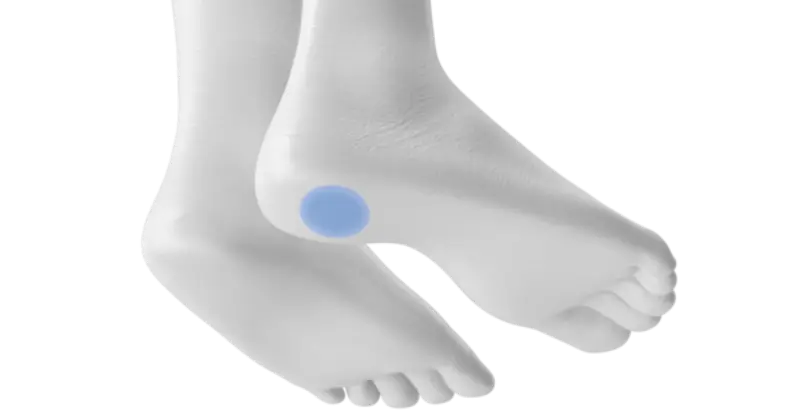
Plantar fasciitis is an inflammation of the fascia that runs from the heel to the toes, on the bottom of the foot. Its function is to support the arch of the foot and absorb shock. When subjected to repeated stress, it can become inflamed and painful, especially under the heel.
Nodular fasciitis , on the other hand, is a rarer form, characterized by the formation of thickenings or nodules along the plantar fascia. It's not just a widespread inflammation, but a more pronounced tissue reaction, often more difficult to treat and more persistent over time. It can be confused with other conditions, which is why an accurate diagnosis is essential.
The most common symptoms
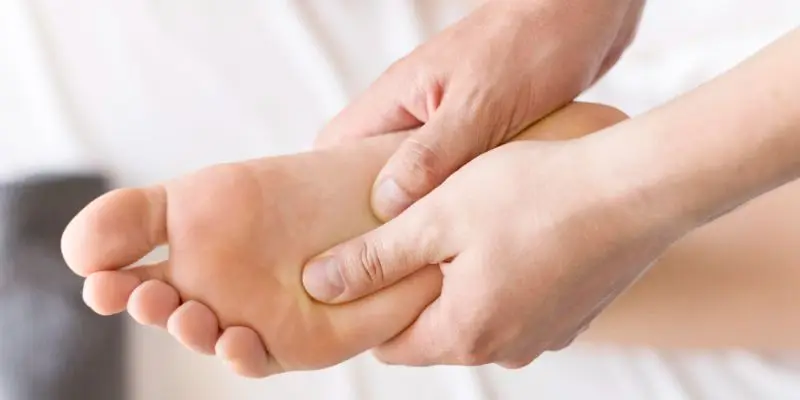
In the classic form, the pain is localized under the heel, typically worsening in the morning or after a period of rest. The sensation is similar to a twinge or cramp, which eases with movement but worsens again throughout the day.
In the case of nodular fasciitis , in addition to the pain, there may be a sensation of a hard swelling under the sole of the foot , sometimes visible or palpable, which creates continuous discomfort when walking and, in the most serious cases, even at rest.
How do you get a diagnosis?

An orthopedic examination can provide a good overview. The doctor will assess the foot's position, joint mobility, and precisely locate the pain. If nodules or deeper lesions are suspected, tests such as:
- echography, to evaluate the thickness and the possible presence of nodules;
- bone scan, useful for excluding heel spurs;
- magnetic resonance, in complex or treatment-resistant cases.
Treatment: targeted to the cause
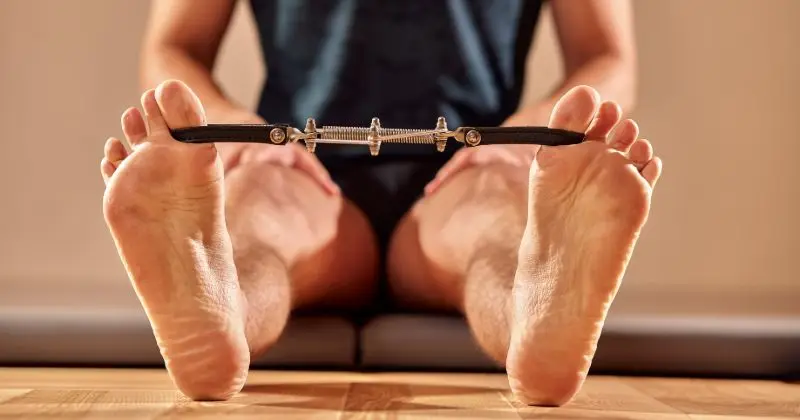
Most cases of fasciitis (plantar or nodular) are treated conservatively, especially in the initial stages. Treatment includes:
- specific stretching exercises for the fascia and calf,
- ice applications,
- use of plant your measure or shoes with good support,
- physical therapy (shock waves, tecar therapy),
- anti-inflammatory drugs.
In the case of nodular fasciitis, the process may be longer. If the nodules are painful or interfere with walking, infiltrative treatment or, in severe cases, surgery to selectively remove the tissue may also be considered.
The role of rehabilitation

After surgery or during recovery, physiotherapy is essential to restore flexibility and strength to the foot. The rehabilitation program includes strengthening exercises, improved proprioception, and the progressive use of appropriate footwear.
Prevention: better to intervene early

Whether it's classic or nodular fasciitis, prevention is possible. The rules are simple:
- choose shoes that fit your foot, with cushioning and support;
- always warm up before physical activity;
- avoid walking barefoot on hard surfaces;
- maintain a healthy weight;
- listen to your body's signals, especially if the pain recurs frequently.
SmartHallux: When to see a specialist?

Don't wait for the pain to become constant. Dr. Luigi Manzi , a foot surgery specialist, can help you distinguish between classic plantar fasciitis and a nodular form , offering you the most appropriate treatment so you can walk freely again.
The SmartHallux team treats conditions such as hallux valgus , Morton's neuroma , and other deformities that cause foot pain. Providing comprehensive support throughout the treatment process, SmartHallux can be a winning choice for effective treatment tailored to your needs. Book your specialist consultation with the SmartHallux team now (opens in a new tab).
FAQ
Is nodular fasciitis more serious than plantar fasciitis?
It is not necessarily more severe, but it tends to be more persistent and less responsive to standard treatments.
Do insoles also work for nodules?
Yes, but they must be customized. They can help reduce the load on the fascia and relieve pain.
Is surgery always necessary for nodular fasciitis?
No. Surgery is considered only if conservative treatments fail and the pain is disabling.