
Post-traumatic osteoarthritis: when an old injury returns to bite you.
Post-traumatic osteoarthritis develops years after a fracture or sprain damaged a joint, often the ankle. Why it happens, the symptoms and how it is treated.
By Dr. Luigi ManziUpdated on
Have you ever heard someone say, "Oh, that pain? It's because of that fracture from years ago"? It's not just a saying. Post-traumatic arthritis is a very real reality that I see often in my office.
When a patient comes to me with a slight limp and tells me about a past injury, I often know where we're headed. Traumatic osteoarthritis is a particular form of joint wear that develops after a traumatic event—a fracture, a dislocation, a severe sprain that perhaps seemed perfectly healed at the time.
The interesting thing is that it doesn't always manifest itself immediately. In fact, it usually takes years. The initial trauma may have damaged the cartilage silently, and then little by little the joint begins to "protest."
What exactly is post-traumatic osteoarthritis?
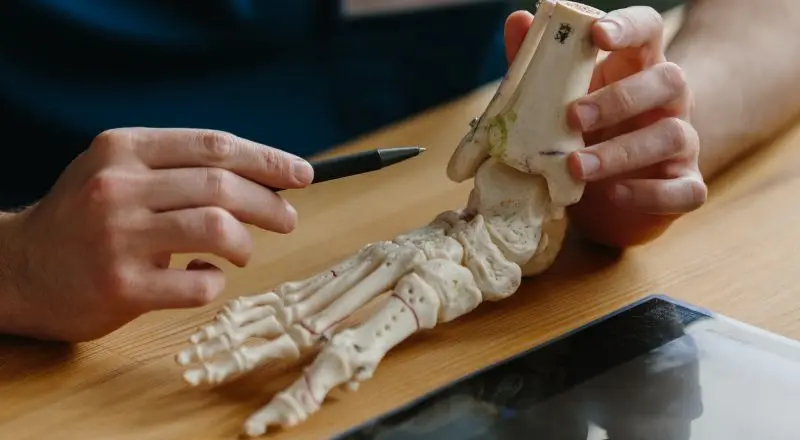
Let's start with the basics. Osteoarthritis is the wear and tear of articular cartilage—the smooth, slippery tissue that covers the ends of bones in joints. Normally, this cartilage wears away with age, but in post-traumatic osteoarthritis, the process is accelerated by previous damage.
Think of cartilage as the surface of a perfectly smooth skating rink. A trauma is like someone skating over it and leaving scratches. You might not notice anything at first, but over time, those scratches become deeper and deeper grooves until skating becomes impossible. This is more or less what happens in the joint.
In the foot and ankle – which are somewhat of my specialties – I often see this situation after malleolar fractures, ankle dislocations, or even after very severe sprains that have significantly damaged the ligaments.
Why does it happen? The causes of post-traumatic arthritis
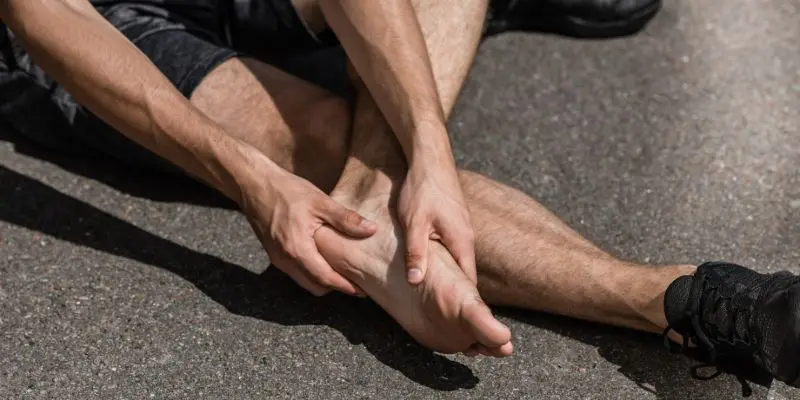
The mechanics are simple enough to understand, even if the details are complex. When there's trauma, several things can happen. The cartilage can be directly damaged by the impact or fracture. Or—and this is very common—the trauma can alter the biomechanics of the joint.
Let me give you a practical example. I had a patient who fractured his external malleolus while playing soccer. The fracture healed well, but his ankle was no longer perfectly aligned—just a few degrees, nothing dramatic. However, those few degrees of difference caused the load to be distributed unevenly, and ten years later he came to me with significant ankle arthritis.
After all, our joints are precision machines. Even small changes in alignment can have long-term consequences. It's like a car wheel that's out of alignment—you don't notice it at first, but then the tire wears unevenly.
Other times, the problem arises from prolonged immobilization after the injury. The joint remains inactive for too long, the cartilage loses its nutritional properties (it thrives on movement!), and when you start moving again, it's no longer the same.
Symptoms: How traumatic osteoarthritis manifests itself
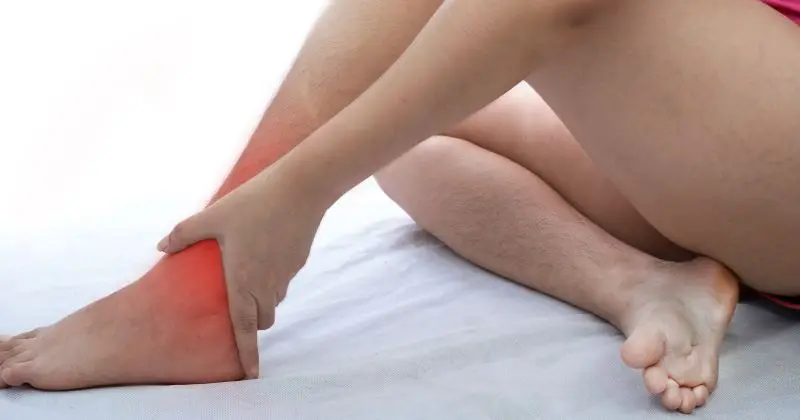
Pain is almost always the first warning sign. But be careful—it's not just any pain. My patients often describe it as "a dull ache that comes and goes," worse in the morning when they get out of bed or after sitting for a long time.
A patient told me, "Doctor, it's like my ankle is rusty. The first few steps are terrible, but then it slowly warms up and gets better." Perfect, you'd accurately described the morning stiffness typical of osteoarthritis.
Swelling is another common symptom. Not the dramatic swelling of an acute injury, but a persistent swelling, especially after physical activity. The joint always feels a bit full.
And then there's the limitation of movement. It's subtle at first—you might notice you can't bend your foot as you used to, or that certain movements have become uncomfortable. Gradually, however, the condition can worsen, to the point of interfering with daily activities.
The joint noise changes. Many patients tell me they hear "creaking" or "clicking" sounds that weren't there before. This is the sound of the joint surfaces no longer sliding as smoothly as they should.
How do I diagnose?

When a patient with these symptoms comes to me, the first thing I do is have a good chat. The history is crucial in post-traumatic arthritis. I need to know everything about the original injury: when it happened, how it was treated, how it healed.
Then, of course, I examine the joint. I observe how the patient walks, how the joint moves, and whether there are any obvious deformities. I palpate to feel for any particularly tender spots and check the range of motion.
But the definitive diagnosis is always made by X-rays. The images show it clearly: the joint space narrows, osteophytes appear (those bony "beaks" that are the hallmark of osteoarthritis), and sometimes the signs of the original fracture are still visible.
In more complex cases, I may request a CT scan or MRI to better see the condition of the cartilage and surrounding soft tissues.
What can we do? Available treatments

Now, the bad news is that worn cartilage doesn't grow back. But the good news is that there's a lot we can do to manage the symptoms and slow the progression.
In initial cases, we focus entirely on conservative treatments. Anti-inflammatories when necessary, physiotherapy to maintain mobility and strengthen the muscles around the joint, and lifestyle changes are recommended. I sometimes recommend specific insoles to correct poor foot placement that can accelerate wear.
Injections can be very helpful. Hyaluronic acid to "lubricate" the joint, or cortisone for severe inflammation. They're not miracle cures, but they often provide significant relief.
When conservative treatments are no longer sufficient, surgery is a must. The options depend greatly on the affected joint and the degree of arthritis. These can range from simple arthroscopic debridement to joint replacement or fusion.
For the ankle, for example, we now have increasingly sophisticated prostheses that allow for movement. It's a complex procedure, but the results are often very good.
How to prevent post-traumatic osteoarthritis?

Prevention begins immediately after the injury. It's crucial to treat the initial injury properly—correctly reduce fractures, repair ligaments when necessary, and provide adequate rehabilitation.
Don't rush back to sports after a major injury. I know it's hard to sit still, but a rushed return can complicate everything. It's better to miss a few extra weeks than to find yourself with premature osteoarthritis in ten years.
And then, after a major joint injury, it's good practice to have regular checkups, even if everything seems fine. An occasional X-ray can detect the first signs of arthritis when it's still easy to treat.
SmartHallux: Where we can help you

Dr. Luigi Manzi, who has gained specific experience in this field, follows each patient with a personalized treatment plan using the most modern and least invasive techniques possible.
Our approach is always to seek conservative solutions first, but when necessary we do not hesitate to propose the most appropriate surgery.
The SmartHallux team treats conditions such as hallux valgus , Morton's neuroma , and other deformities that cause foot pain. Providing comprehensive support throughout the treatment process, SmartHallux can be a winning choice for effective treatment tailored to your needs. Book your specialist consultation with the SmartHallux team now (opens in a new tab).
FAQ
Doctor, how long after a trauma can osteoarthritis develop?
There's no hard and fast rule. It can appear after a few months or even many years. It depends on the type of trauma, how it was treated, and the patient's age. On average, I'd say symptoms begin to appear 5-10 years after the initial trauma.
If I already have post-traumatic osteoarthritis, will it definitely get worse?
Not necessarily. With the right treatments, the progression can be significantly slowed, sometimes even halted for years. The important thing is not to ignore the initial symptoms.
Is surgery always necessary?
Absolutely not. Most patients manage post-traumatic osteoarthritis well with conservative therapies. Surgery is considered when pain significantly limits quality of life.