
Posterior Heel Pain: When Your Heel Makes You Suffer
Have you ever gotten out of bed in the morning and felt that twinge behind your heel? One of those that almost makes you jump at the first step. Well, you've probably experienced posterior calcalgia.
By Dr. Luigi ManziUpdated on
Have you ever gotten out of bed in the morning and felt that twinge behind your heel? One of those that almost makes you jump at the first step. Well, you've probably experienced posterior calcalgia.
In my office, I see a lot of patients who come in with this problem. "Doctor, my back hurts like hell," they say, pointing to the back of their heel. And they're right: it really does hurt. Posterior heel pain is one of the most common causes of heel pain, and it affects everyone—athletes, sedentary people, young and old.
What exactly is this posterior talalgia?
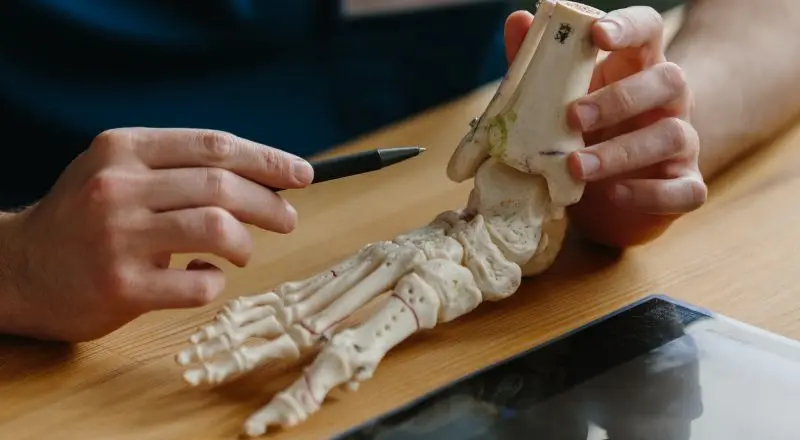
So, let's start with the basics. Posterior talalgia is nothing more than pain localized at the back of the heel. Simple, right? The medical term sounds complicated, but it actually simply describes what you're feeling: "talalgia" means pain in the heel, and "posterior" indicates where it is located.
The area behind the heel is a very delicate area. Important tendons, such as the Achilles, pass through it, along with bursae that facilitate gliding, and it is the site of insertion of structures that work tirelessly every day. Consider that every time you walk, run, or even just stand on tiptoe, this area must support your entire body weight multiplied by the acceleration of the movement.
The causes? There are several.
Now, why does this annoying pain occur? The causes can be various, and they often overlap.
Plantar fasciitis is one of the most common culprits. That band of tissue that runs under the sole of the foot can become inflamed and cause pain right at its posterior insertion, on the heel. I've seen it many times: the patient thinks the pain is coming from "behind," but in reality, it's the plantar fascia that's protesting.
Then there's Achilles tendinitis. The most powerful tendon in our body can become inflamed for a variety of reasons: improper footwear, sudden increases in physical activity, or overly tense calf muscles. Moreover, if your calves are tight, the poor Achilles tendon has to work twice as hard.
Let's not forget the heel spur, that bony growth that can develop on the back of the heel. It's like a small thorn—hence the name "heel spur"—that can make every step a pain.
Other times, it's simple bursitis. Bursae are like little cushions that prevent friction, but if they get inflamed... well, instead of helping, they hurt. Really.
Sometimes the problem stems from improper footwear. Shoes that are too low, too rigid, or lack adequate support can overload the back of the foot. I've seen patients who improved just by changing shoes!
The symptoms? Unmistakable.
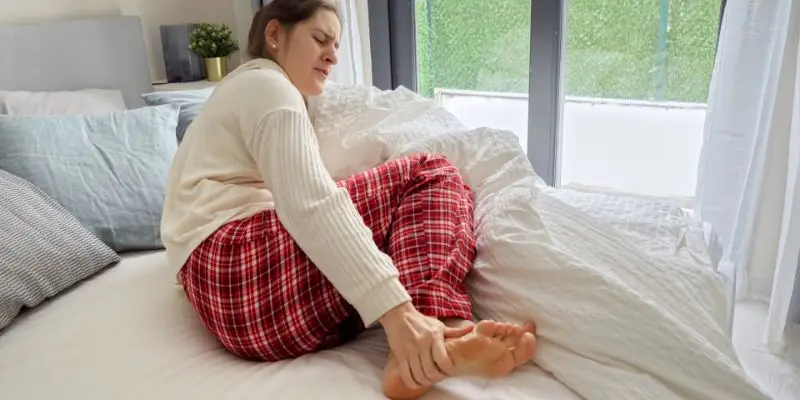
Posterior calcaneal pain is quite characteristic. It usually focuses just behind the heel, in the area medically called the "retrocalcaneal region."
The worst moment? Absolutely waking up. That first step out of bed that almost makes you scream. This happens because during the night the tissues "shorten" a bit, and in the morning they need to be "reactivated." After a few steps, the situation improves, but at first it's really annoying.
The pain also worsens after prolonged sitting. You get up from your desk after hours of work and... there you go, the twinge. It's the tissue that has "cooled" and needs to get moving again.
Sometimes there's also swelling. The area may feel slightly swollen, warm to the touch, and in more severe cases even red. Some patients tell me they feel their heel "pulsing" in the evening, as if their heartbeat were right there.
How do I diagnose?

When a patient comes to me for posterior calcalgia, the first thing I do is listen to their story. When did the pain start? What were you doing? What kind of shoes are you wearing? Have you changed any activities recently?
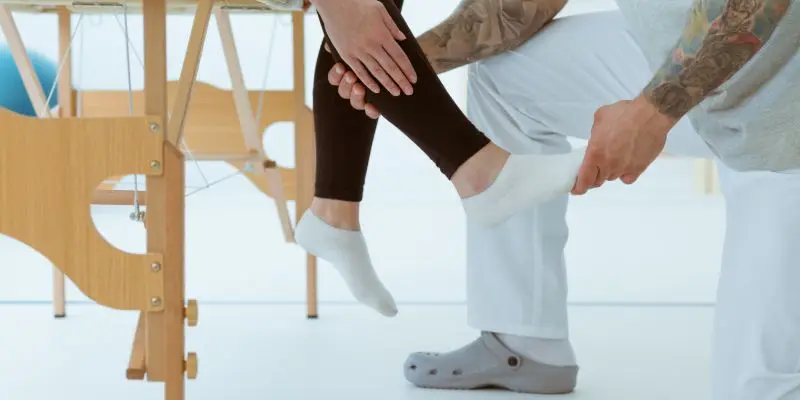
Then comes the physical examination. I look at the foot, touch the painful area (always apologizing for any discomfort I may cause), and assess the mobility of the ankle and hindfoot. I often ask the patient to walk around a bit to see how they land on their foot.
Instrumental tests aren't always necessary, but sometimes they are. A foot X-ray can rule out fractures or reveal heel spurs. Ultrasound is excellent for evaluating soft tissues: tendons, bursae, and plantar fascia. In more complex cases, an MRI provides a complete view of the entire anatomy.
How to treat it

The beauty of posterior talalgia is that, in most cases, it resolves well with conservative treatments. A scalpel isn't always necessary, in fact.
The first piece of advice I always give is relative rest. It doesn't mean staying in bed, but avoiding activities that trigger the pain. If running hurts, run less or walk. If standing for long periods of time makes it worse, sit down more often.
Ice is a great ally, especially in the early stages. Fifteen to twenty minutes, two to three times a day, can provide significant relief. But be careful: never put ice directly on your skin!
Anti-inflammatory drugs can help, but always under medical supervision and for limited periods. They're not a definitive solution, but they can reduce acute inflammation and allow healing to begin.
Physiotherapy is essential. A good physiotherapist can teach specific stretching and strengthening exercises, correct any foot placement problems, and use physical therapies such as ultrasound or laser. I've seen patients improve dramatically with physiotherapy alone.
Customized orthotics are often the solution. A custom-made insole can correct your foot position, relieve painful areas, and promote faster healing. I'm not talking about store-bought insoles, but actual medical devices created after a careful study of your specific case.
In more resistant cases, a cortisone injection may be considered. This procedure must be performed with precision, under ultrasound guidance, and should not be repeated too often.
Surgery? Rare, but sometimes necessary. If there's a significant spur, or if bursitis doesn't respond to conservative treatment, surgery can be performed.
The healing journey
A question I'm always asked: "Doctor, how long does it take to heal?" The honest answer is: it depends. I've seen patients get better in two weeks, others take several months.
It depends on the cause, how chronic the problem is, and how the patient responds to treatment. One important thing: you need to be consistent with your therapy. You can't do physiotherapy every other week, or use insoles only when you remember.
In general, with proper and consistent treatment, most cases of posterior heel pain resolve completely. However, it's important to take your time and follow your doctor's advice.
Prevention is better than cure
As always in medicine, prevention is key. Proper footwear is the first step—literally. Choose shoes with good arch support, heel cushioning, and an appropriate heel height (neither too low nor too high).
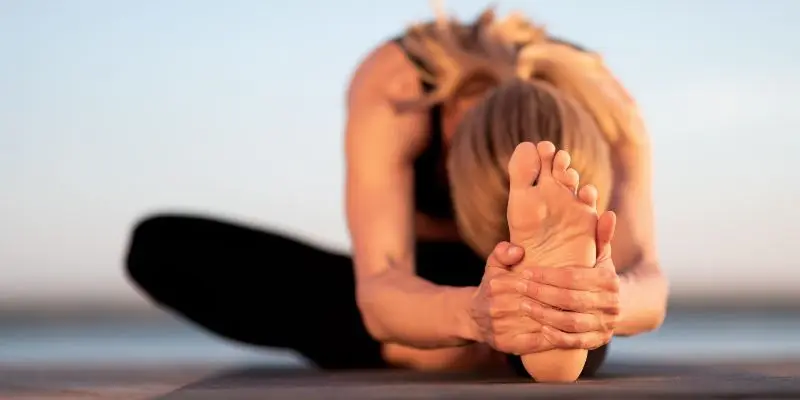
Regular stretching of the calf muscles is crucial. Shortened muscles put strain on the Achilles tendon and the entire back of the foot. Just five minutes of stretching a day can make a big difference.
If you're overweight, every pound you lose is a favor to your feet. Your heel must support your entire body weight with every step, multiplied by the acceleration of the movement.
Strengthening exercises for the foot and leg muscles help maintain good biomechanics and prevent future problems.
SmartHallux: Where we can help you

Here at SmartHallux, we specialize in foot and ankle surgery. Dr. Luigi Manzi, who has extensive experience in this field, provides each patient with a personalized treatment plan using the most modern techniques.
We offer precise diagnoses using the most advanced imaging techniques, personalized conservative treatments, and, when necessary, minimally invasive surgery. Our team of professionals includes physiotherapists specialized in foot rehabilitation and orthopedic technicians for the creation of custom-made insoles.
The SmartHallux team treats conditions such as hallux valgus , Morton's neuroma , and other deformities that cause foot pain. Providing comprehensive support throughout the treatment process, SmartHallux can be a winning choice for effective treatment tailored to your needs. Book your specialist consultation with the SmartHallux team now (opens in a new tab).
Questions you often ask me
Doctor, could this heel pain be something serious?
Most of the time, no, don't worry. Posterior calcanealgia is rarely a sign of anything serious. However, if the pain is very severe, if there's a lot of swelling, or if you can't walk at all, it's best to get checked out right away. You may have stress fractures or other complications that require immediate attention.
Can I continue to play sports with this pain?
It depends on the type of sport and the intensity of the pain. In general, if the pain worsens during activity and persists afterward, it's best to take a break. This risks making the situation worse and prolonging the healing process. A few extra days of rest are better than months of pain.
Are insoles really useful or a waste of money?
Custom insoles, made after a specific assessment, can be very effective. I'm not talking about generic insoles, but rather custom-made medical devices. Of course, they're not the solution for everyone, but in many cases they really make a difference. A specialist's assessment can tell you if they might be helpful for you.