
Pronated foot: everything you need to know
A pronated foot rolls inward when walking, flattening the arch and overloading the ankle and knee. The causes, the symptoms and how it is corrected.
By Dr. Luigi ManziUpdated on
Pronation is a foot deformity in which the foot deviates outward and upward. It's a fairly common condition that can occur when the arch of the foot flattens excessively during stance. This flattening causes the foot to roll inward, making it difficult to perform daily activities.
While slight pronation of the foot during walking is normal, excessive pronation can lead to pain, instability, and joint problems.
To prevent it from negatively affecting posture and daily activity, it must be corrected in time.
What causes pronated feet?

There are various causes of pronated feet. Most often, they're congenital defects: some people have lower arches or looser connective tissue, making them more prone to pronation.
Excessive body weight or activities that place excessive stress on the feet increase the risk of pronation.
Finally, a small percentage of cases of patients with pronated feet suffer from this problem due to post-traumatic situations.
Symptoms associated with pronated foot

Those who have a pronated or supinated foot can have many difficulties both in everyday life and when playing sports.
The main symptom associated with pronated feet is pain, which can radiate from the lower leg to the knee. This condition can also cause premature fatigue, especially after a long walk, as well as joint stiffness that limits movement.
How is pronated foot diagnosed and treated?

A doctor can diagnose pronated feet after performing a series of specific tests. This begins with a visual assessment, which examines the posture and alignment of the foot to detect signs of excessive pronation. By simply observing the patient walking barefoot, the specialist can determine the presence of pronation syndrome and assess the possible presence of a synostosis.
Even observing the footprint left by the foot helps determine weight distribution, but a baropodometric analysis allows us to study the pressure exerted on the foot during walking and evaluate the stability and distribution of the load.
To decide on the patient's treatment plan, the doctor uses an X-ray of both feet under weight-bearing conditions. This exam is performed with the patient standing, because standing is where the foot works.
If diagnosed early, pronated feet can be reversed with the use of custom insoles or by wearing shoes with good arch support and a stable sole. This type of preventative intervention, along with targeted exercises to strengthen the foot and ankle muscles, helps correct excessive pronation.
Treatment for correcting deformities or persistent joint problems is surgical only, but it is only considered in severe cases with specific symptoms. The procedure performed by SmartHallux technicians is quick and minimally invasive. Approximately 1 months after surgery, the patient can return to running, while contact sports can be resumed three months later.
How to prevent pronated feet?
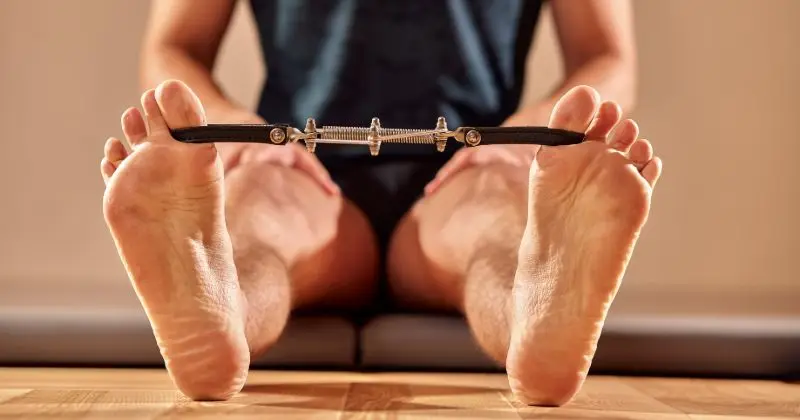
There are several measures you can take to prevent or reduce the risk of developing pronated feet. First, choose shoes with good arch support and a stable sole, capable of providing good medial support and rearfoot stability. Avoid high heels and overly rigid shoes, and try to opt for ankle-high shoes.
Foot and leg muscle exercises can strengthen the arch and improve stability, while maintaining a healthy body weight reduces pressure on the feet and helps maintain proper alignment.
People with pronated feet experience impaired stability, which can affect their upper joints and spine. This same problem can make them more susceptible to injury. Therefore, if you suspect you have pronated feet, contact Dr. Luigi Manzi of SmartHallux for a thorough assessment and a personalized treatment plan designed to improve your quality of life. Book your free video consultation now by clicking here.