
Pronated valgus foot: what it is and how to combat it
A pronated valgus foot rolls inward with the heel tilted outward, affecting posture and gait. The causes, the symptoms and how it is treated.
By Dr. Luigi ManziUpdated on
Pronate valgus foot is a pathology that, affecting the foot, affects the posture and quality of life of those who suffer from it.
Characterized by an inward deviation of the foot , this condition impairs walking, causing inflammation and pain not only in the foot.
In this post we will find out more about pronated valgus foot , its causes and how to combat it through useful tips for everyday life.
What is pronated valgus foot?
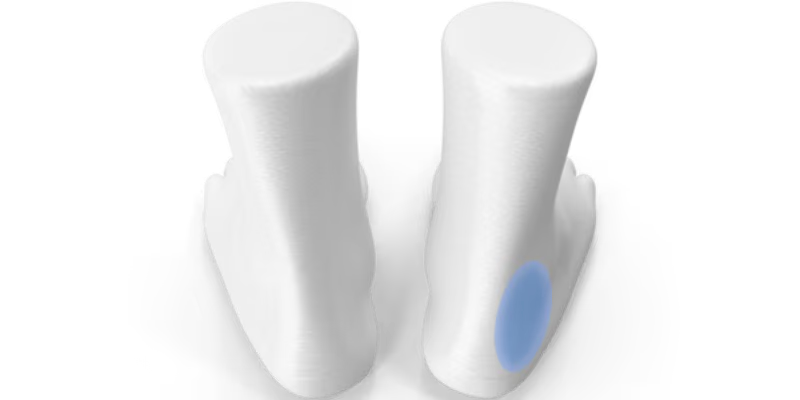
The pronated valgus foot appears tilted inwards due to the outward rotation of the heel and the significant lowering of the plantar arch.
This very particular condition is, in reality, very common and causes many physical problems.
In fact, the irregular inclination of the foot , in this case towards the inside, can cause damage to both the ankle and the knee , preventing correct walking and correct posture.
If left untreated, valgus foot can cause further orthopedic damage that can significantly reduce the quality of life of those affected.
Causes of pronated valgus foot
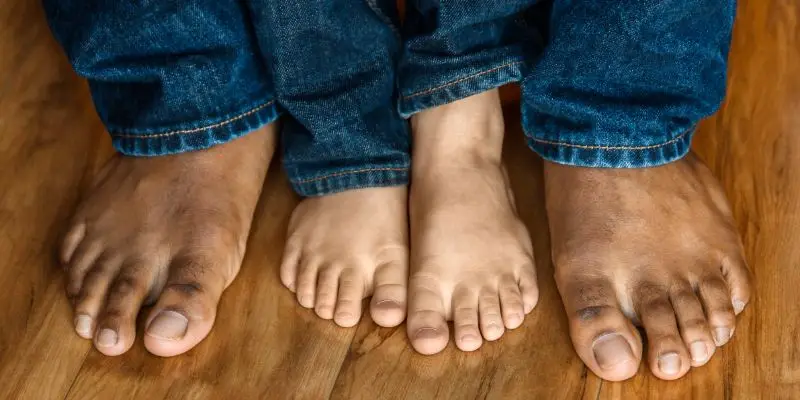
Like almost all pathologies affecting the foot and ankle, valgus pronation is also caused by a combination of environmental , behavioral and genetic factors.
It is worth listing the most significant and probable causes of valgus pronation:
- Developmental abnormalitiesImproper development of bones and tendons during childhood can lead to incorrect formation of the foot structure. Often, these developmental anomalies are related to congenital problems;
- Genetic factors: not to be underestimated is the genetic predisposition which can increase the risk of developmental abnormalities and foot and ankle disorders.
- Neuromuscular diseases: other pathologies, therefore, such as muscular dystrophy or cerebral palsy, can weaken the muscles with consequent alteration of the posture of the foot;
- Injuries and traumas: fractures and sprains they can alter the correct alignment of the foot, contributing to damage the structure of the foot and to the development of pronated valgus foot;
- Physical Activity: if exercised excessively and incorrectly it can contribute to the development of the pathology; furthermore, excessive physical activity, in addition to stressing the feet, ankles and joints, can also be the cause of trauma and injuries;
- Inadequate footwear: the uncomfortable and inappropriate shoes they promote the development of foot pathologies, above all because they alter the biomechanics;
- Obesity: excessive weight goes to press your feet harderThis pressure often causes the arch of the foot to lower, which significantly influences the development of the valgus pronation foot.
Symptoms of pronated valgus foot

The common symptoms of pronated valgus foot are varied and comparable to the symptoms of other foot pathologies.
However, there are some specific and recognizable symptoms that should be monitored so that the problem can be identified as soon as possible and a doctor can be consulted.
Classic foot pain can range from mild to severe, particularly affecting the inside of the foot and heel. This fairly localized pain can extend to the ankle and knee due to poor foot alignment.
Those with this condition tend to experience foot fatigue during physical activity much sooner than expected. This is because, having to maintain balance and stability on a pronated foot, muscles and ligaments must work twice as hard as normal.
Excessive pronation of the foot causes inflammation of the tendons and ligaments of the foot , which in turn causes swelling of the arch area and heel.
The formation of calluses and blisters is also a symptom of pronated valgus foot. The excessive and uneven pressure the foot is subjected to contributes to the formation of calluses and blisters, especially on the inner edge of the foot.
The feeling of instability and reduced mobility of the foot are two other related symptoms, due to the malformation of the foot and the resulting pain.
It is important to pay attention to these symptoms, especially to diagnose valgus foot in time and start treating it appropriately.
Diagnosis of pronated valgus foot
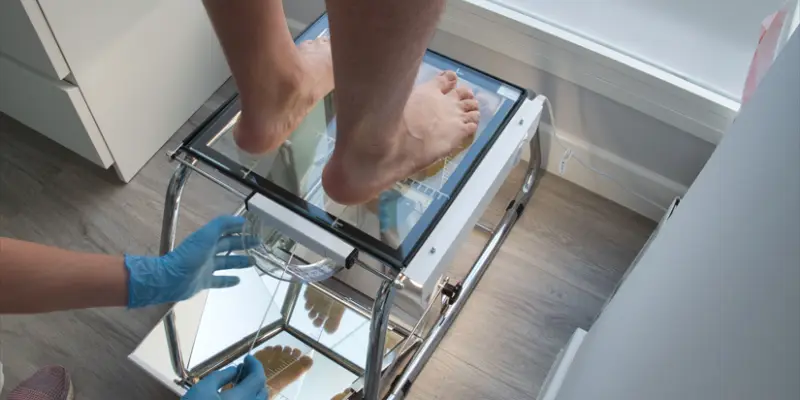
Once the symptoms of pronated valgus foot have been recognized, it is essential to consult a doctor and diagnose this pathology.
But how can a pronated valgus foot be diagnosed?
By following a few small and simple steps, you will reach a diagnosis and be able to proceed with the appropriate treatment.
Diagnosing pronated valgus foot involves:
a physical examination : during which the doctor examines the posture and mobility of the foot;
- imaging tests: X-rays, CT scans and MRI scans, to detect any bone deformities, joint or tissue damage;
- functional tests: exercises, balance tests and resistance tests to evaluate the mobility and muscle strength of the foot;
- plantar pressure analysis: a test used to measure the distribution of pressure on the sole of the foot, both during walking and standing;
- biomechanical evaluation: it is used to obtain precise data on the biomechanics of the foot, such as gait dynamics, the condition of muscles and joints; all this is done with specialized instruments, such as baropodometric platforms or movement analysis systems;
- anamnesis: after having collected all the information the doctor also evaluates the patient's clinical historyThis step also helps assess the patient's general health, including any trauma or pre-existing medical conditions. The medical history also helps the doctor determine the best treatment to recommend.
How to treat pronated valgus foot

Based on the condition of the pronated valgus foot , the patient's expectations and general health , it will be necessary to evaluate and decide which type of approach to choose to begin combating this pathology.
To simplify and give a general overview, treatments are usually divided into two macro categories: non-surgical treatments and surgical treatments.
Non-Surgical Treatments
By their very definition, these treatments do not require specialist surgery.
The most common and recommended non-surgical treatments for pronated valgus foot are:
- use of orthoses: or custom insoles to support the arch of the foot and correct poor foot alignment; these insoles are often custom-made to the patient's specific needs;
- physiotherapy: exercises to improve mobility and posture, strengthening the foot muscles and improving mobility; stretching and strengthening exercises for the foot, ankle, and calf muscles are included;
- use of orthopedic shoes: Design to provide additional support and distribute body weight evenly; wearing shoes with good arch support and a stable sole, therefore, helps improve foot alignment and reduce symptoms.
- therapeutic massages: aimed at the muscles of the foot and ankle, to reduce muscle tension, improve blood circulation and relieve pain associated with pronation;
- taking anti-inflammatory drugs: or anti-inflammatory gels and creams, helps reduce swelling and pain in the foot;
All of these treatments necessarily require lifestyle changes . Targeted physical activity and weight loss help reduce stress on the foot and improve muscle strength in the feet and ankles.
Surgical Treatments
When the condition of the pronated valgus foot is serious and the patient's quality of life is now compromised, doctors recommend resorting to surgery.
Among the surgical interventions for pronated valgus foot , the most performed are:
- The Osteotomy: partial or total repositioning of the bones of the foot; it serves to correct the alignment of the foot, in fact, bone grafts may be needed to maintain the correct alignment.
- The ArthrodesisAlso called joint fusion, because it involves the fusion of one or more joints; it helps relieve pain and stabilize the foot when the condition is severe.
- La Tendon TranspositionThis procedure is performed when it is necessary to reposition or strengthen the tendons to restore functionality to the foot.
Tips for everyday life
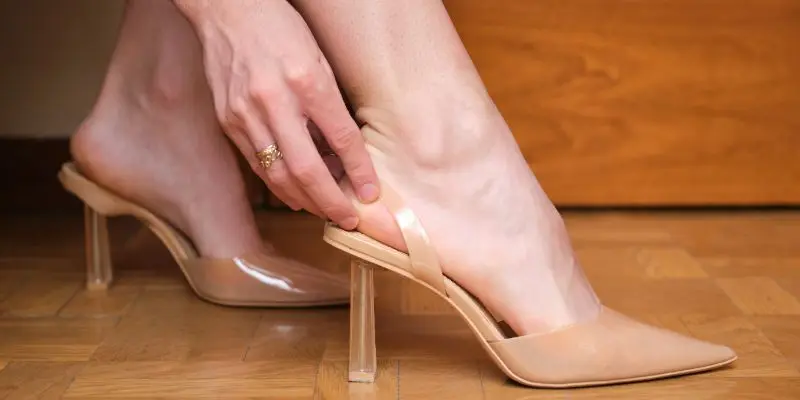
To prevent the development of pronated valgus foot, there are daily practices that help maintain the health of your feet and ankles.
Among the useful tips for everyday life, the use of appropriate footwear is obviously paramount . The inward tilt of the foot, as already mentioned, is related to an excessively low arch. This very condition makes finding comfortable shoes almost impossible; you should therefore look for shoes with the right support and therefore turn to specialized retailers.
Don't underestimate home exercises . Practical, quick, and manageable, these at-home activities include calf exercises, balance exercises , and foot muscle strengthening exercises.
Weight management is always important for general health, but especially for foot health . Maintaining a balanced, but not excessive, weight is essential for avoiding stress on the feet and reducing the load on the soles of the feet.
In addition to the “do’s,” there are some helpful tips on what “don’ts” are.
Physical activities that are too stressful for our bodies should be avoided . Running on hard surfaces or engaging in extreme sports, for which our bodies are not prepared, only negatively impact foot health.
Defeat pronated valgus foot: Book your SmartHallux appointment.

A debilitating condition like pronated valgus foot can severely compromise a person's quality of life.
It is important to always pay attention to the health of your feet and ankles.
An early and timely diagnosis is the first step in treating and resolving foot pathologies.
SmartHallux , thanks to its innovative techniques and specialized surgeons, ensures professionalism and timely diagnoses.
Book your appointment with SmartHallux now and begin your treatment journey to regain healthy feet.