
Sore ankle bone: when pain on the outside becomes a problem
A sore ankle bone, the bump on the outside of the ankle, can come from a sprain, tendon irritation or bursitis. Causes, when to worry and how it is treated.
By Dr. Luigi ManziUpdated on
Have you ever felt a nagging pain on the outside of your foot? A pain that gets worse when you walk or play sports? It could be what we doctors call "ball of the foot pain."
Truth be told, many patients come to my office saying, "Doctor, the ball of my foot hurts," and they point to that very area. It's a more common problem than you think, and often overlooked. Let's take a look at what it is and, more importantly, what can be done.
What exactly is the nut of the foot?

The instep is simply the point where the cuboid bone—one of the small bones that form the structure of the foot—can become problematic. It's where the peroneus brevis tendon passes, which plays a crucial role in stability when we walk.
Think of the area as a very busy passageway. Every day, thousands of times, these tissues work together to allow us to walk, run, and jump. When something goes wrong, pain sets in. And it's a particular kind of pain, one that those who suffer from it recognize immediately.
Why does this pain occur? The most common causes
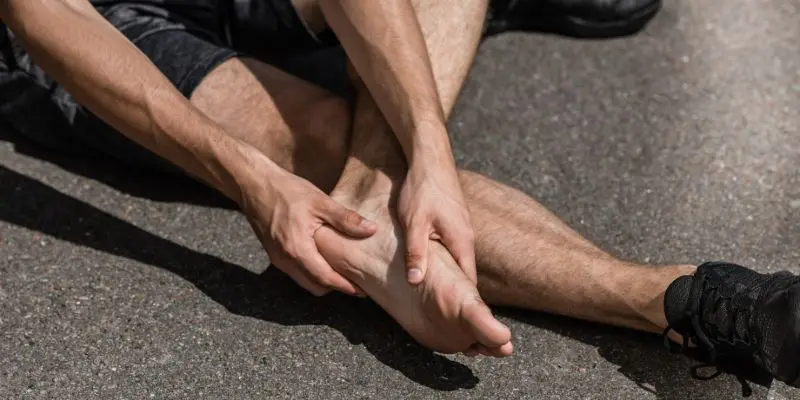
In my office, I often see people who develop this problem for various reasons. Athletes, for example, are particularly at risk. Those who run a lot or play high-impact sports put constant stress on this area.
But it's not just athletes who suffer from it. The wrong shoes can cause incredible damage. Shoes that are too tight, too loose, or simply not suited to your foot shape. The other day, a woman came to me who had bought beautiful shoes that were completely wrong for her foot shape: after two weeks, she developed unbearable pain in this very area.
Excessive pronation is another common cause. When the foot "falls" too far inward during walking, it creates abnormal tension that can irritate the ball of the foot. Then there are stress fractures—small tears that gradually develop in the cuboid bone from repeated overload.
Let's not forget arthritis and rheumatic diseases, which can also affect this joint. After all, the foot is a complex structure with many small joints, all potentially vulnerable.
The symptoms you need to recognize

Ball of the foot pain has fairly typical characteristics. It usually begins as a mild discomfort on the outside of the foot, just in front of the ankle. At first, you may only notice it when you're exercising.
Then, if you do nothing, the pain tends to get worse. It becomes more intense when walking, especially on uneven terrain. Many patients tell me they feel particularly uncomfortable when standing up after sitting for a long time—this is what we call "first step pain."
The area may become tender to the touch, and slight swelling is often noticeable. In more severe cases, it becomes difficult to walk or stand for extended periods. I have seen patients with a noticeable limp because they couldn't plant their foot properly.
How do I make the diagnosis in the office?

When a patient comes to me with this type of pain, the first thing I do is listen to their story. When did the pain start? What were you doing? What kind of shoes do you wear? Do you play sports?
I then proceed with the physical examination. I palpate the area of the ball of the foot to determine the exact location of the pain and whether there is any swelling or irregularity. I test the foot's mobility and check how the patient walks.
In many cases, these first two steps already give me a clear idea of the problem. If I have any doubts or want to confirm the diagnosis, I can order tests. A simple X-ray can show any fractures or signs of arthritis. Ultrasound is useful for viewing soft tissue and checking the condition of the tendons.
In more complex cases, MRI gives me a complete picture of everything going on in that area. But, frankly, in most cases, it's not necessary to go that deep.
The treatment options we have
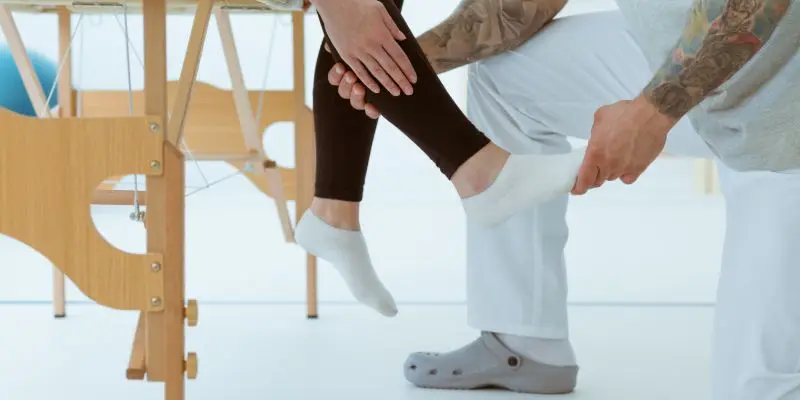
The good news is that in most cases we can resolve the problem without surgery. The first approach is always conservative.
Relative rest, ice to reduce inflammation, and anti-inflammatory medications for a few days. I also often prescribe custom orthotics—custom-made supports that correct any foot placement issues.
Physiotherapy can be very helpful, especially for strengthening the muscles that stabilize the foot and improving mobility. I always teach my patients specific exercises they can do at home.
When conservative treatment isn't enough, we can consider cortisone injections. They're effective at reducing local inflammation, although the effects aren't always long-lasting.
Surgery is reserved for the most severe and resistant cases. The procedure depends on the specific cause: it may involve the removal of inflamed tissue, the correction of bone deformities, or the repair of damaged tendons.
Recovery: What to Expect

Recovery times vary greatly depending on the severity of the problem and the chosen treatment. With conservative treatment, I usually see significant improvements in 4-6 weeks.
It's important to follow the instructions and not rush. I've seen too many patients who, as soon as they felt better, immediately resumed intense activity and found themselves back where they started.
Physiotherapy is essential for full recovery. It's not enough to simply relieve the pain—you also need to regain strength and stability in your foot to avoid relapses.
How to prevent the problem
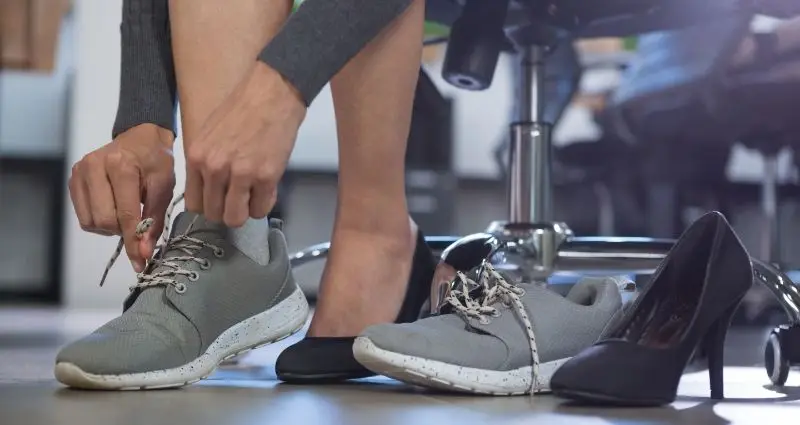
Prevention is always the best cure. Choose shoes that are suitable for your feet and your activity. If you play sports, gradually increase the intensity of your workout. Don't go from zero to 100 in a week.
Maintain a healthy body weight – every extra pound puts additional stress on your feet. Stretch regularly, especially if you have a job that keeps you on your feet for long hours.
If you have foot support issues, don't ignore them. A specialist evaluation can help you prevent many problems before they become serious.
SmartHallux: Where we can help you

Here at SmartHallux, we specialize in foot and ankle surgery. Dr. Luigi Manzi, who has extensive experience in this field, provides each patient with a personalized treatment plan using the most modern techniques.
In addition to traditional treatments, we also offer advanced technologies such as ankle replacements for the most complex cases and innovative stem cell treatments for tendon problems.
The SmartHallux team treats conditions such as hallux valgus , Morton's neuroma , and other deformities that cause foot pain. Providing comprehensive support throughout the treatment process, SmartHallux can be a winning choice for effective treatment tailored to your needs. Book your specialist consultation with the SmartHallux team now (opens in a new tab).
Questions you often ask me
How long does it take to heal from ball of foot pain?
It depends greatly on the cause and severity. With proper treatment, many patients see improvements in 3-4 weeks, but full recovery can take 2-3 months.
Can I continue to play sports with this pain?
I recommend stopping at least initially. Continuing to exercise while in pain risks making the situation worse. A few weeks off is better than months of problems.
Are orthopedic shoes always necessary?
Not always. Often, good athletic shoes with adequate support are enough. Custom orthotics are useful in more complex cases or when there are problems with foot support.