
Tendon rupture: how to recognize it, treat it and get back to moving
A tendon rupture can happen suddenly, during sport or an everyday movement. The signs to recognize it, where it occurs in the foot and how it is treated.
By Dr. Luigi ManziUpdated on
A sudden movement, a sudden "pull," a sharp pain, and the immediate sensation that something has snapped. Tendon rupture can strike suddenly, transforming an everyday activity into a traumatic event. And it's not just athletes or sportspeople: even a sedentary person can suffer this injury, especially with age or in the presence of predisposing conditions.
What exactly is a tendon rupture?
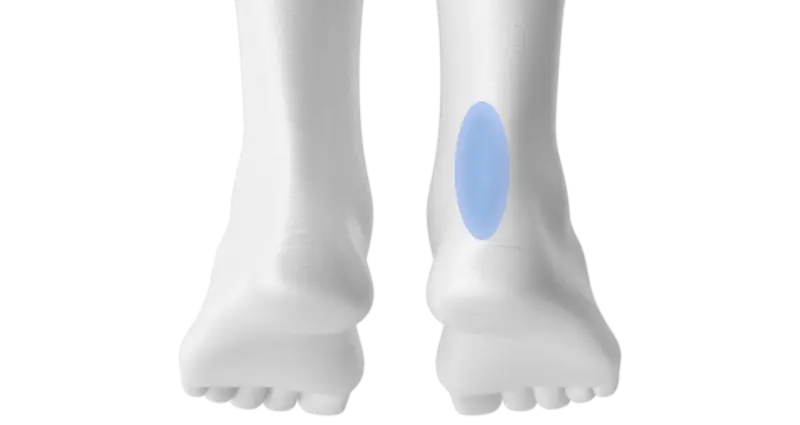
Tendons are tough , fibrous cords that connect muscles to bones, allowing us to walk, grasp, jump, and move. When one of these gives way—partially or completely—we call it a tendon rupture . The areas most affected? The shoulder, knee, and especially the ankle , where the famous Achilles tendon is located.
What causes a tendon rupture?

There are various causes: sports injuries, incorrect movements, excessive loads, but even simple everyday actions can cause a tear. A jump, a leap forward, or even a stumble can be enough.
Furthermore, some factors increase the risk:
- Age between 30 and 50 years
- Previous tendinitis or inflammation
- Prolonged use of certain drugs (e.g. cortisone)
- Sedentary lifestyle or, on the contrary, intense and unbalanced sporting activity
How does it manifest itself?
The sensation is often unmistakable. A popping sound, sharp pain, loss of strength, and immediate difficulty moving the affected limb are common. Immediately afterward, swelling and functional impairment necessitate urgent medical attention.
Diagnosis and Treatments: What to Expect
After a clinical examination and, if necessary, ultrasound or MRI, the doctor will assess the severity of the injury. Solutions may vary:
Conservative treatments , such as splinting, rest, and physiotherapy, are reserved for less severe cases.
In more serious cases or in more active patients, surgery is the option . The goal is to repair the torn tendon and allow for full functional recovery. But be careful: surgery is only the first step.
The crucial role of rehabilitation

After the acute phase, rehabilitation is crucial. Stretching, specific exercises, and physical therapy help the tendon heal and reduce the risk of recurrence. It's a delicate phase that requires perseverance and the support of specialized professionals.
SmartHallux's excellent service

In the event of an Achilles tendon rupture , SmartHallux offers an emergency service , including the use of innovative techniques such as stem cells. Dr. Luigi Manzi leads the team, offering an accessible, rapid, and effective approach, with affordable costs and a network of clinics throughout Italy.
A tendon rupture , if left untreated, can permanently impair mobility and quality of life. But with timely diagnosis, proper treatment, and a well-guided rehabilitation program, recovery is absolutely possible.
The SmartHallux team treats conditions such as hallux valgus , Morton's neuroma , and other deformities that cause foot pain. Providing comprehensive support throughout the treatment process, SmartHallux can be a winning choice for effective treatment tailored to your needs. Book your specialist consultation with the SmartHallux team now (opens in a new tab).
FAQ
What can cause an Achilles tendon rupture?
Sudden movements, previous inflammation, or steroid use. It is most common between the ages of 30 and 50.
How is it treated?
With immobilization (in mild cases) or surgery, always followed by targeted physiotherapy.
How common is surgery for this lesion?
Approximately 20-40% of cases require surgery, but the choice depends on age, activity, and severity.