
Valgus foot: causes, symptoms, and treatment
In a valgus foot the heel tilts outward and the arch drops inward, often with flat feet. The causes, symptoms and how it is treated in children and adults.
By Dr. Luigi ManziUpdated on
Have you ever noticed that your foot seems to have fallen outward ? You may have valgus foot, a condition that causes your foot to land slightly oddly. Valgus foot is a deformity characterized by excessive pronation of the foot, which significantly alters the distribution of force during walking.
This can cause problems like knees collapsing inward and various pains, from the heel to the toes. It's like constantly walking on uneven ground! Valgus foot is a fairly common condition, often present in childhood. While it doesn't cause immediate pain, early intervention can make a difference, especially for younger children.
Causes of valgus foot: genetics, trauma, and lifestyle
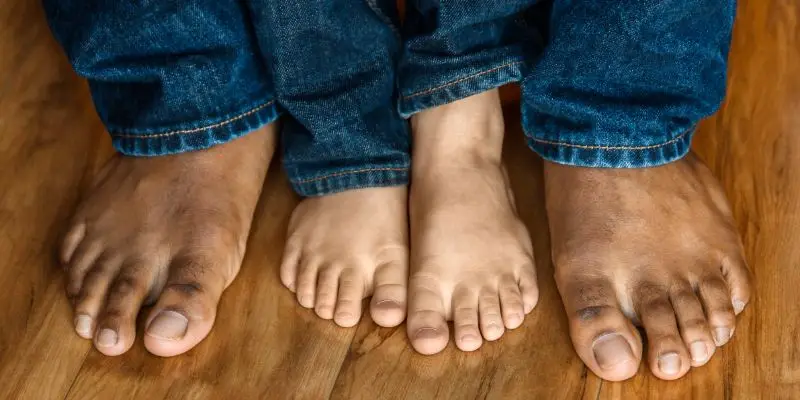
The causes of valgus foot are numerous and can be congenital or acquired. Some individuals are born with a predisposition to pronating, often caused by a bone malformation or the condition known as fetal flatfoot. In other cases, foot trauma such as fractures, ligament injuries, or inflammatory processes can alter the structure of the foot, leading to a sagging arch. Lifestyle can also contribute to the onset of valgus foot. Obesity and improper footwear are risk factors. Furthermore, muscle weakness, such as that of the muscles that support the foot's arch, can aggravate the condition, contributing to poor weight distribution and pain in the heel and instep.
Symptoms: When valgus foot causes pain
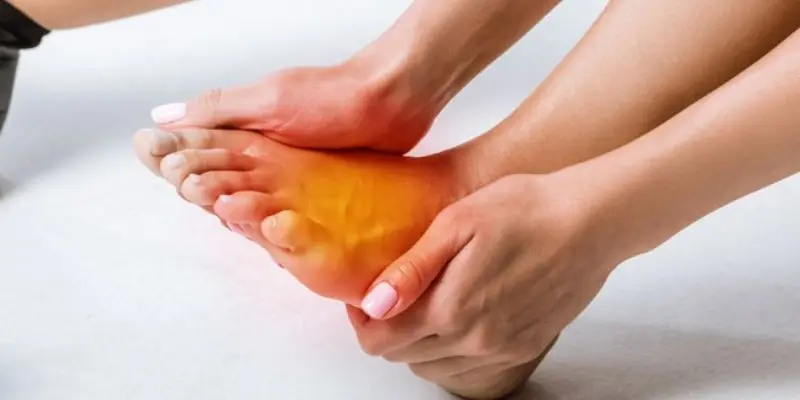
Valgus foot is often asymptomatic. However, this condition can be accompanied by various discomforts, including pain on the inside of the ankle (near the tibial malleolus) or on the posterolateral surface of the hindfoot. In the typical patient, symptoms may also include morning stiffness and swelling in the ankle area. Ignoring these symptoms could worsen the condition over time. For this reason, a medical specialist consultation is essential.
Diagnosing valgus foot: the first step towards treatment

Diagnosing valgus foot begins with a careful clinical assessment, including observation of gait and a detailed medical history to understand the patient's history, lifestyle, and any sports practiced. A careful observation of shoe wear is also necessary to detect any deformities and alterations in foot placement. To assess structural deformities and better determine the correlation between the position of the calcaneus, talus, and tibia, the specialist may request an X-ray.
If valgus foot is accompanied by pain, it's important to address it immediately with temporary remedies, such as applying ice or using anti-inflammatory creams. However, choosing suitable footwear, with a rigid sole and adequate support, is essential to prevent further complications.
Treatments: conservative and surgical approach

Treatment for valgus foot is personalized and may include the use of insoles, physiotherapy, orthotics, and, in more severe cases, surgery. The most appropriate treatment depends on the severity of the deformity, the patient's age, and the presence of symptoms.
In any case, performing exercises aimed at strengthening the foot and ankle muscles helps improve stability. Additionally, taking topical or oral anti-inflammatory medications can help relieve pain and reduce inflammation.
In more severe cases, where valgus foot is stiff or accompanied by arthritis, surgery may be necessary. Procedures range from calcaneal osteotomy, to correct the deviation, to arthrodesis, necessary in cases of severe joint deformity. However, surgery is considered a last resort and should be carefully discussed with an orthopedic surgeon.
Valgus foot: when to worry

If your pes valgus pain is severe, accompanied by swelling or other symptoms, such as tingling or numbness, it is important to consult a doctor.
To try to relieve valgus foot, you should first try resting your foot, applying ice or hot compresses to try to reduce the inflammation. If these home remedies for foot pain don't work, taking anti-inflammatory medications may help. In any case, it's advisable to avoid overuse and stretch regularly, choosing appropriate footwear with good lateral support.
For specialist support, book a consultation with Dr. Luigi Manzi for an accurate diagnosis and a personalized treatment plan to relieve severe pain.