
Achilles Tendon Stretch: An Underrated Exercise That Makes a Difference
The Achilles tendon, strong but vulnerable, can easily become inflamed with sports and stress. Stretching the Achilles tendon helps protect it over time.
By Dr. Luigi ManziUpdated on
Anyone who plays sports or has even had mild heel inflammation knows how delicate the Achilles tendon can be. This tendon is one of the strongest in the human body, but also one of the most prone to stress, microtrauma, and, in the worst cases, rupture. Yet, there is a simple and accessible practice that can help protect it over time: stretching the Achilles tendon.
Why is this so important?
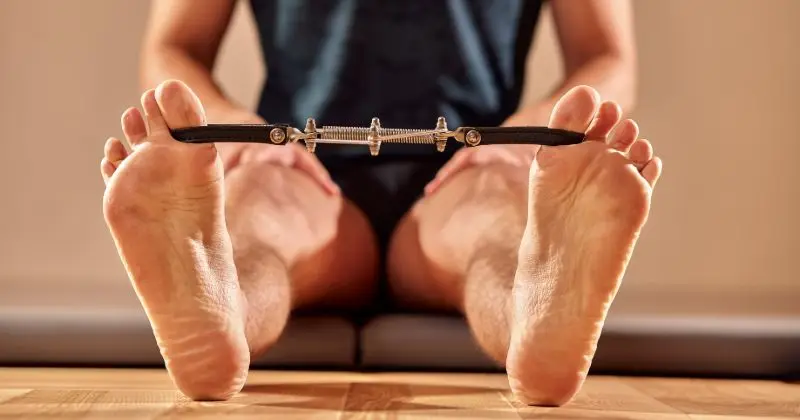
The Achilles tendon connects the calf muscles to the heel and allows us to walk, run, and jump. If it loses elasticity, the risk of tendinitis, heel pain, and, in extreme cases, complete rupture increases. Keeping the tendon supple and responsive is therefore essential, especially if you play sports or have poor posture.
Benefits of stretching
Incorporating Achilles tendon stretching exercises into your daily routine brings real benefits:
- Improves ankle flexibility
- Reduces the risk of inflammation and injury
- Promotes smoother and less painful walking
- Helps in the post-injury recovery phase
But be careful: to be effective, stretching must be performed correctly, respecting timing, technique, and gradualness.
When to stretch?

Not just before or after sports. Stretching the tendon can also be useful throughout the day, especially if you work standing up or have a sedentary lifestyle. Ideally:
- Before physical activity: to prepare the tendon for the effort
- After sports: to reduce stiffness and the risk of inflammation
- In the morning or in the evening: in cases of Achilles tendinitis or heel pain
How to do it (risk-free)
The simplest exercises involve leaning against a wall or step, keeping your heel low and your knee straight. Breathing should be regular, and the stretch should be gradual. A common mistake? Forcing the position, thinking you'll get quicker results: this only risks making the situation worse.
For those who are already trained or want to improve ankle mobility, there are advanced stretching exercises , but they should be introduced with caution and preferably supervised by a physiotherapist.
SmartHallux: When to see a specialist?

Stretching your Achilles tendon is a small daily practice that can make a big difference in your muscle and tendon health. Don't neglect it, especially if you're active or have previously experienced heel pain. Prevention starts here: with consistency, awareness, and, if necessary, the support of a specialist.
Stretching is helpful, but it's not a miracle cure. If your heel pain doesn't go away, or you suspect more serious Achilles tendinitis , it's time to seek professional evaluation.
The SmartHallux team treats conditions such as hallux valgus , Morton's neuroma , and other deformities that cause foot pain. Providing comprehensive support throughout the treatment process, SmartHallux can be a winning choice for effective treatment tailored to your needs. Book your specialist consultation with the SmartHallux team now (opens in a new tab).
FAQ
Does stretching really work for Achilles tendinitis?
Yes, if done regularly and correctly. It helps lengthen and strengthen the tendon, preventing inflammation.
How long does recovery from tendonitis take?
It depends on the severity. Mild cases only require a few weeks, but more severe cases may require months of physical therapy.
What are the symptoms of Achilles tendonitis?
Heel pain, morning stiffness, swelling and tenderness along the tendon.