
Bilateral metatarsalgia: when both feet hurt
Bilateral metatarsalgia is pain under the ball of both feet, usually from overload, footwear or foot shape. The causes and how it is treated.
By Dr. Luigi ManziUpdated on
You wake up in the morning and feel that nagging pain from the first step. Not just in one foot. In both.
Well, if you recognize yourself in this situation, you're probably dealing with what we orthopedists call bilateral metatarsalgia. A condition that, I'll tell you right away, is more common than you think and one that I see often in my office.
The thing that most strikes my patients is precisely this: "Doctor, why do both my feet hurt?" It's a legitimate question, because when the problem is bilateral—that is, on both sides—there's often a systemic cause behind it.
What exactly is this bilateral metatarsalgia?
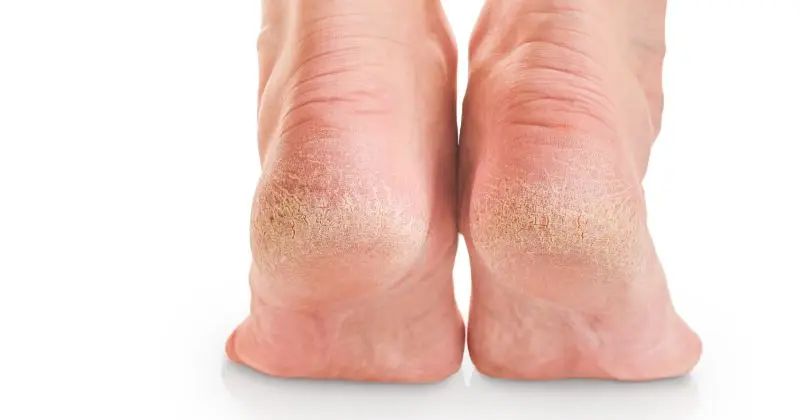
Let's start with the basics. The metatarsals are the five long bones at the front of the foot, essentially between the arch and the toes. When they become inflamed—and we're talking about actual metatarsal inflammation—the pain can become truly debilitating.
Metatarsalgia mainly affects the forefoot, the area that bears most of our body weight when we walk. Imagine that with every step, this area must withstand pressure that can be up to three times our body weight. That's a lot, right?
When the problem affects both feet simultaneously, it usually means that there is something in our way of walking, the shoes we wear, or our lifestyle that is creating continuous overload.
The causes: why does it happen to both feet?
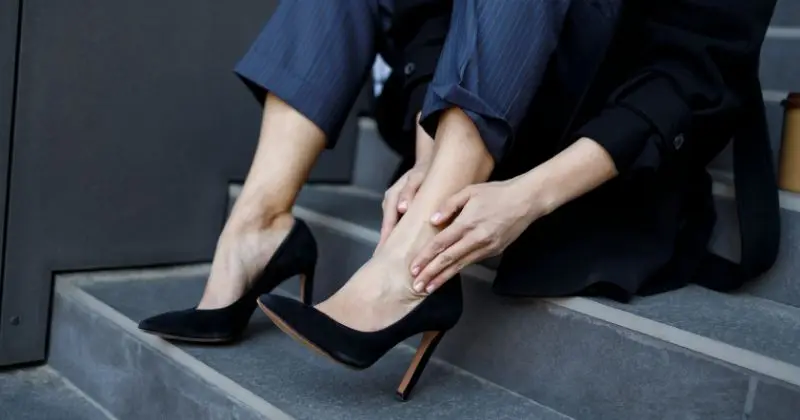
In my office, when I see a patient with bilateral metatarsal pain, the first thing I check is their shoes. It seems trivial, but I assure you it's one of the main causes.
High heels, for example, shift all your weight to the ball of your foot. If you wear them regularly, it's common for both feet to develop metatarsal inflammation. I've seen women come to me with terrible pain after years of wearing stilettos daily.
Then there's being overweight. I'm not telling you this to make you feel guilty, but it's a fact: every extra pound puts additional strain on the metatarsals. And when we walk, this strain multiplies.
Intense physical activity is another common cause. Runners who increase their mileage too quickly. Ballet dancers who overload the forefoot. Athletes who change training surfaces. In these cases, foot bone inflammation develops due to repetitive stress.
Then there are less obvious but equally important causes. Rheumatoid arthritis, for example, often affects the joints symmetrically. Some neuropathies can alter the way we place our feet. And let's not forget postural problems: a spinal disorder can completely alter the way we walk.
Symptoms: What You Really Feel

Metatarsal pain is the main symptom, of course. But it's not always the same.
Some patients describe a constant burning sensation. Others describe sharp pains when they put their foot down. Some feel as if they're walking on rocks, while others feel as if there's a foreign body under their foot.
Metatarsal pain in the big toe is particularly common because the first metatarsal bears greater stress during push-off. However, the discomfort often extends to the entire forefoot area, swelling and all.
An interesting thing I notice is that many patients develop compensatory strategies. They start walking differently to avoid the pain, perhaps putting more weight on their heels. This, in the long run, can create other problems.
Tingling in the feet is another symptom that shouldn't be ignored. It could indicate a nerve component, perhaps a developing Morton's neuroma.
How we arrive at the diagnosis

When a patient comes into my office with suspected metatarsalgia, the first thing I do is listen. Really. The story they tell me is crucial.
“How long have you been feeling the pain?” “Has it gotten gradually worse, or did it start suddenly?” “What kind of shoes do you usually wear?” “Do you play sports?” This is all information that helps me understand the problem.
Then I move on to the physical examination. I look at how he walks, how he places his feet, and whether there are any areas of hyperkeratosis (the famous calluses) that could indicate overloading. I palpate each metatarsal individually to pinpoint the exact location of the metatarsal pain.
X-rays are often the first imaging test we order. They are primarily used to rule out stress fractures—which are more common than you might think—or other bone pathologies.
Ultrasound is very useful for evaluating soft tissues. With this test, we can see if there is actual inflammation of the metatarsals, if there are inflamed bursae, or if a neuroma is developing.
In recent years, I've been using baropodometry a lot. It's a test that analyzes how we distribute our weight while walking. I have you walk on a special platform that records pressure. It's amazing how useful it is for understanding what's happening biomechanically.
Treatments: how we solve the problem
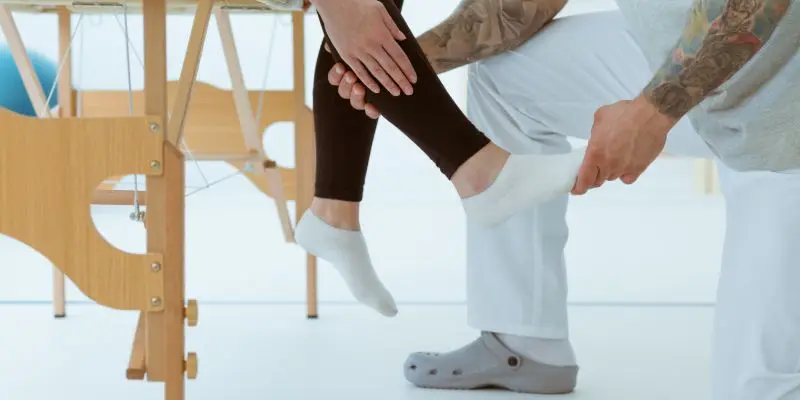
The good news is that most cases of bilateral metatarsalgia respond well to conservative treatment. This doesn't mean it's always easy or quick, but in most cases, we can resolve the problem without surgery.
Rest is essential during acute phases. I know, it's difficult when you have to work and move, but at least try to avoid activities that worsen the pain. Ice helps, especially in the evening after a day of work.
Anti-inflammatory drugs can provide relief, but they're not a permanent solution. I use them primarily to manage the acute phase and allow the patient to begin physical therapy.
Orthotic insoles are often the key to success. A well-made insole redistributes the load on the forefoot, relieving inflamed areas. There are various types, from simple silicone ones to custom-made ones made after a thorough postural assessment.
Physiotherapy is important for correcting any muscle imbalances and improving gait biomechanics. Specific exercises to strengthen the intrinsic muscles of the foot can make a huge difference.
When conservative treatments aren't enough—and we're talking about a small percentage of cases—we can consider surgical options. Osteotomies to reposition the metatarsals, remove neuromas, and correct deformities. But I assure you, we only resort to surgery when absolutely necessary.
Prevention: better safe than sorry
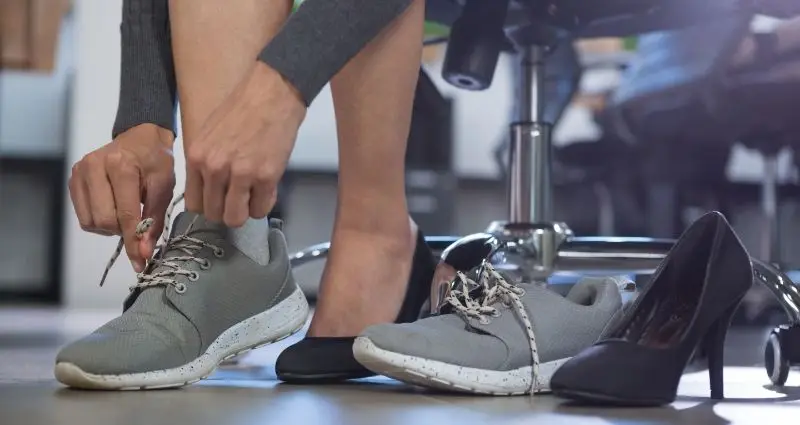
Prevention of metatarsalgia mainly involves conscious choices.
Shoes are essential. I'm not suggesting abandoning heels entirely, but at least varying them. A shoe with a slight lift (2-3 cm) can be a good compromise. The important thing is that it has enough room for the toes and good arch support.
Weight control is important. You don't have to be incredibly thin, but maintaining a reasonable weight certainly helps reduce the strain on your metatarsals.
If you exercise, gradually increase the intensity. The body needs time to adapt to new loads. And if you feel pain, stop. It's not normal to feel pain during physical activity.
SmartHallux: Where we can help you

Here at SmartHallux, we specialize in foot and ankle surgery. Dr. Luigi Manzi, who has extensive experience in this field, provides each patient with a personalized treatment plan using the most modern techniques.
The SmartHallux team treats conditions such as hallux valgus , Morton's neuroma , and other deformities that cause foot pain. Providing comprehensive support throughout the treatment process, SmartHallux can be a winning choice for effective treatment tailored to your needs. Book your specialist consultation with the SmartHallux team now (opens in a new tab).
Questions you often ask me
Doctor, is it normal for both my feet to hurt?
Absolutely, in fact, it's quite typical of metatarsalgia. When the problem is bilateral, it often indicates a common cause—shoes, posture, excess weight—that's affecting both feet.
How long does it take to heal?
It depends greatly on the cause and how long the problem has been present. With proper treatment, many patients see significant improvements in 6-8 weeks. However, complete recovery can take several months.
Should I stop exercising completely?
Not necessarily. It depends on the type of sport and the intensity of the pain. I often recommend temporarily modifying your activity, perhaps switching from running to swimming, rather than stopping completely.
Do I have to keep the insoles forever?
Not necessarily. In many cases, once the acute problem has been resolved and any muscle imbalances have been corrected, it's possible to gradually reduce the use of insoles. However, every case is different.