
Enthesitis: causes and symptoms
Enthesitis is inflammation of the enthesis, the point where a tendon or ligament attaches to bone. The causes, the symptoms and how it is treated.
By Dr. Luigi ManziUpdated on
The tendons in the sole of the foot are among those most at risk of excessive wear. Inflammation of the portion of the tendon that attaches to the corresponding bone, known as enthesitis, makes even the simplest activities, such as walking or standing, difficult.
Repetitive microtrauma, overuse, structural abnormalities of the foot, or the presence of a widespread joint disease (such as rheumatoid arthritis) can cause enthesitis. In addition to pain, which is the most common and easily identifiable symptom, this inflammation can cause motor dysfunction in the affected muscle or joint.
Complications of enthesitis
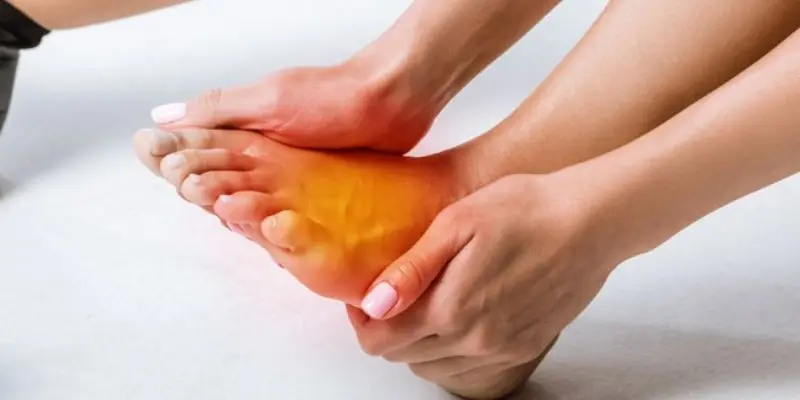
Enthesitis can lead to various complications, involving various parts of the foot, such as the sole, Achilles tendon, or toes. In these cases, it causes significant swelling in the affected area, and tenderness or stiffness in the muscle attached to the enthesis. If the inflammation is not treated properly, calcifications may form, which could compromise the elasticity of the fibrous connective tissue or cause deformation of the bone where the enthesis attaches.
There are cases where, if not properly treated, enthesitis becomes chronic, manifesting itself every time the patient moves the affected anatomical region. This inevitably compromises the normal performance of daily activities, but could also compromise the health of the muscle tendon, leading to permanent damage.
Treatment of enthesitis

Consulting a specialist is essential for an accurate diagnosis. After a thorough medical history and a detailed description of the patient's symptoms, instrumental diagnostic tests such as X-rays (if a fracture is suspected) or ultrasounds (if soft tissue injuries are suspected) may be ordered.
To limit pain, anti-inflammatories and painkillers are commonly prescribed to help stem the inflammatory process. If these are insufficient, corticosteroid injections may be used. As a last resort, if the tendon has suffered damage or injury (either due to chronic enthesitis over time or acute trauma), surgery may be necessary.
Most cases of enthesitis resolve with nonsurgical treatments and conservative therapies. During the acute phase, complete rest is recommended to reduce the load on the painful area, alleviating pain and inflammation. Targeted physical therapy exercises are also recommended to improve flexibility and strengthen the muscles of the affected parts of the foot.
With prompt treatment, most cases of enthesitis resolve successfully. When enthesitis becomes chronic, surgery may be necessary to remove damaged tissue and reestablish the original continuity between the tendon and bone.
For specialist support, book a consultation with Dr. Luigi Manzi for an accurate diagnosis and a personalized treatment plan to relieve severe pain from enthesitis.
How to prevent enthesitis?

It's generally recommended to take action to reduce stress and fatigue, thus preventing enthesitis. A healthy lifestyle, proper posture, and physical activity are the most important tips. Staying active and exercising allows you to better prepare your muscles, tendons, and ligaments, and minimizing the risk of injury prevents excessive stress on your joints.
Additionally, it's always a good idea to do stretching and strengthening exercises, as well as use shock-absorbing shoes and custom insoles, especially if you walk a lot.
Sports and enthesitis: how to manage it
Although physical activity is important, enthesitis is often linked to traumatic or functional overload injuries during high-level sports. To minimize the risk, it's best to vary the intensity of your workouts to avoid overloading your joints.