
Flesh Spurs in the Foot: What Your Orthopedic Doctor Needs to Know
Flesh spurs is a popular name for heel spurs: a bony growth under the heel that hurts on the first steps of the day. The causes, symptoms and treatments.
By Dr. Luigi ManziUpdated on
Have you ever felt that sharp pain under your heel, especially in the morning when you put your foot down? Or maybe you've noticed a painful bump that seems to be sticking out of the bone in your foot? You're probably dealing with flesh spurs in your foot, or as we doctors call them, a heel spur.
In my office, I see so many patients who come in with this problem. "Doctor, it feels like someone's stuck a nail in my foot," they often say. And indeed, that's exactly the feeling.
But let's clarify what exactly these annoying flesh spikes are and, above all, how we can resolve them.
What are flesh spurs (or heel spurs)?
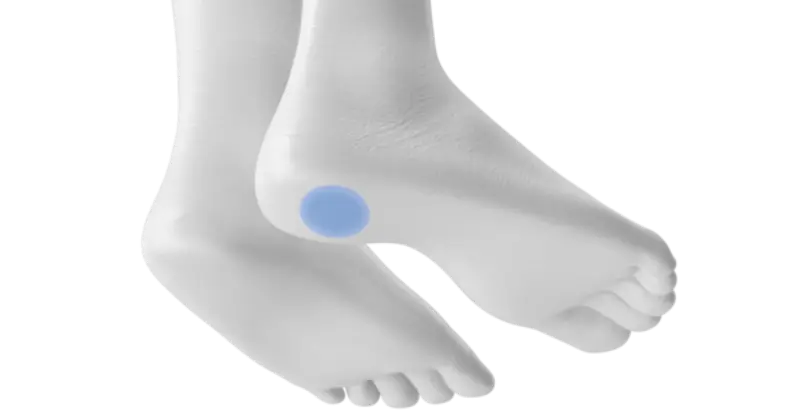
A heel spur, what patients call a flesh spur, is essentially a growth of bone tissue that forms on the heel bone. Imagine that your body, to protect itself from constant stress, begins to produce extra bone where it shouldn't be. It's a bit like a callus forming, but in this case we're talking about bone.
There are two main types. The most common is the one that forms on the underside of the heel, where the plantar fascia attaches—that tight cord that runs from the heel to the toes. This is the one that causes the most pain and is the one I see most often in my office.
The second type forms behind the heel, where the Achilles tendon attaches. It's less common, but just as annoying when it occurs.
After all, the foot is a complex structure that must support the entire body weight every day. And when something isn't working properly, the body tries to compensate as best it can.
Why heel spurs form

The main cause? Excessive pronation of the foot.
Now, pronation is a perfectly normal movement—it's what your foot does when you walk to absorb impact. But when it becomes excessive, that's when problems begin. It's like having a car with misaligned wheels: eventually, something wears out more than it should.
There are several contributing factors. Obesity, for example, increases the load on the feet—logical, right? Repeated high-impact activity over time can overload the foot structures. And then there are the wrong shoes. How many times have I seen patients who for years have worn unsuitable shoes, perhaps with high heels or completely flat?
Age plays its part. As we age, tissues lose elasticity, and the plantar fascia becomes less flexible. It's normal wear and tear, I'd say.
Sometimes there's also an anatomical predisposition: feet that are too flat or too high, differences in leg length. In short, everyone has their own story.
The symptoms you need to recognize
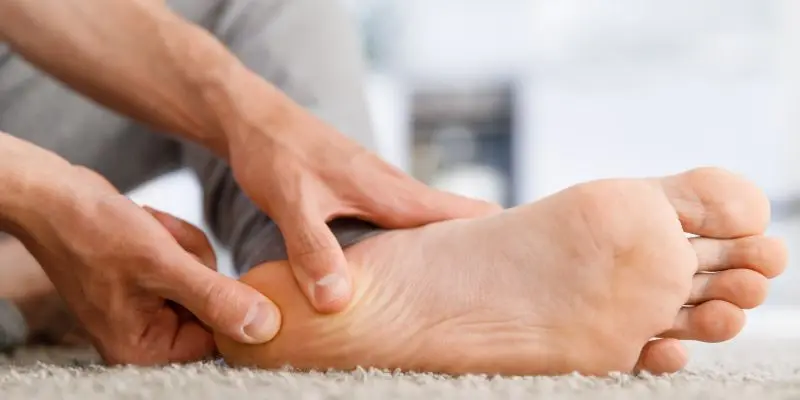
The pain is typical. Sharp, like a stab. My patients always describe it to me the same way: "Doctor, it's like walking on nails."
The worst time? In the morning, as soon as you get out of bed. The first steps are a nightmare. Then, paradoxically, the pain tends to improve a little as you walk, because the foot "warms up." But if you stay still for a long time and then start walking again, there it is again.
There isn't always visible swelling. Sometimes, there is, especially if there's also inflammation of the plantar fascia. In these cases, you may also notice some warmth in the area.
One important thing: don't confuse heel spurs with other foot conditions. Plantar fasciitis, for example, can cause similar symptoms but has different origins. Or heel spurs, which is more of an inflammation of the soft tissues.
How do I diagnose in my office?

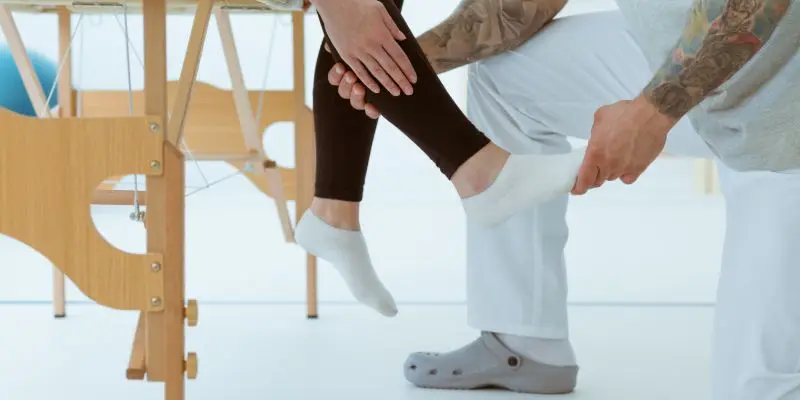
When you come to me, first I listen to you. Your story is crucial: when the pain started, what makes it worse, what makes it better. Then I have you walk, watch your foot placement, and check your ankle flexibility.
Clinical examination is crucial. I press on specific points to determine exactly where the pain occurs. Heel spurs have a fairly characteristic location.
Then, if necessary, we order tests. A simple lateral X-ray of the foot is often enough to see the sting. Sometimes it's very obvious, other times it's more subtle. Ultrasound can be useful for evaluating the soft tissues, especially if I also suspect plantar fasciitis.
MRI? I only use it in specific cases, when I need to rule out other pathologies or plan surgery.
How to treat meat thorns
The good news? In most cases, surgery isn't necessary.
We always start with conservative treatment. Relative rest (don't sit still, but avoid activities that worsen the pain), ice after activity, and anti-inflammatories if necessary.
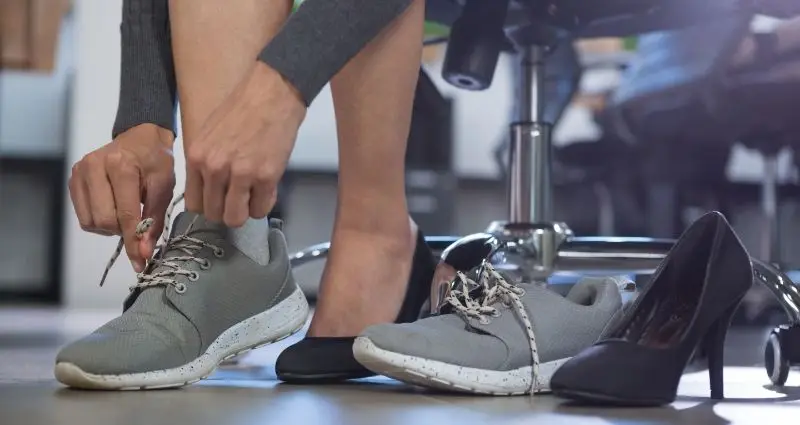
Orthotic insoles are often essential. A well-made insole can relieve the painful area and correct any poor support. We're not talking about those prefabricated insoles you find at the supermarket—what you need here is something customized.
Physiotherapy helps a lot. Stretching exercises for the plantar fascia and Achilles tendon, strengthening the foot muscles. I've seen patients improve dramatically with just a good physiotherapy program.
In the most resistant cases, we may consider cortisone injections or shockwave therapy. Surgery is truly the last option, when all other treatments have failed.
Recovery: What to Expect
Be patient. Heel spurs don't resolve overnight. I usually see significant improvements after 6-8 weeks of well-conducted conservative treatment. Sometimes it takes longer.
The key is consistency. Don't give up on your exercises after a week because you won't see immediate results. And above all, listen to your body: if an activity increases your pain, avoid it for a while.
Prevention: better safe than sorry
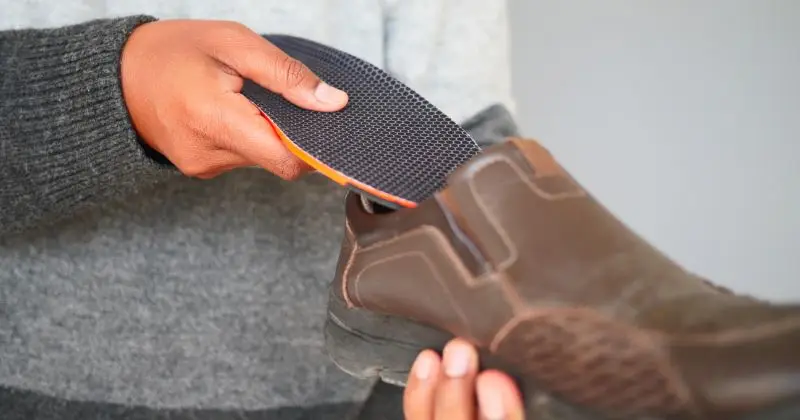
The right shoes are essential. Neither too flat nor too high-heeled. A shoe that provides good arch support and cushions impact.
Maintain a healthy body weight. I know, it's easy to say, but every pound you lose means less stress on your feet.
If you exercise, do so wisely. Gradually increase the intensity and duration of your workouts. And replace your running shoes when they're worn out.
SmartHallux: Where we can help you

Dr. Luigi Manzi, who has gained specific experience in this field, follows each patient with a personalized path using the most modern techniques.
The SmartHallux team treats conditions such as hallux valgus , Morton's neuroma , and other deformities that cause foot pain. Providing comprehensive support throughout the treatment process, SmartHallux can be a winning choice for effective treatment tailored to your needs. Book your specialist consultation with the SmartHallux team now (opens in a new tab).
At our center, we use minimally invasive approaches whenever possible, with cutting-edge techniques that reduce recovery times. Our team is highly specialized, and each case is evaluated individually to find the best solution.
FAQ
Doctor, but how many types of heel spurs are there?
As I mentioned before, there are two main types: those that form under the heel (the most common) and those that form behind it, where the Achilles tendon attaches. The former are often linked to the plantar fascia, the latter to the tendon.
What is the real cause of my heel spur?
In my experience, the main cause is excessive pronation of the foot while walking. It's as if the foot collapses too far inward with each step, creating continuous stress on the heel. Other factors, such as excess weight, ill-fitting shoes, or high-impact sports, can contribute.
Will I have to have surgery?
Absolutely not! Surgery is the last option. The vast majority of my patients improve with conservative treatments: insoles, physiotherapy, and anti-inflammatory drugs. I only consider surgery if, after months of well-conducted conservative therapy, the pain persists and significantly limits quality of life.