
Foot joints: anatomy, functions, and pathologies
The joints of the foot let it adapt to the ground and absorb impact with every step. The main joints, how they work and the conditions that affect them.
By Dr. Luigi ManziUpdated on
The joints in our feet play a fundamental role in our daily mobility. But often, until we experience pain or discomfort, we don't even notice their existence. Yet, there are 33 joints working together for every step we take.
In this article, we'll see how they're made, what they're used for, and what happens when they get sick or damaged.
Anatomy of the foot joints
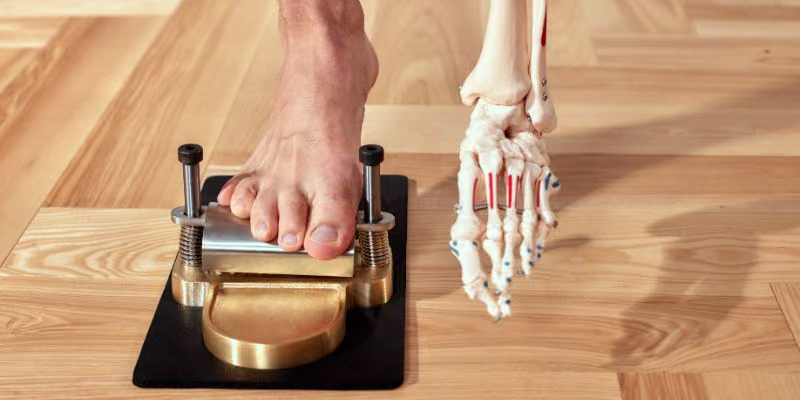
The foot is a complex structure, composed of 26 bones organized into three main groups:
- Tarsus: includes calcaneus, talus, navicular, cuboid, and cuneiforms
- Metatarsus: five long bones that connect the tarsus and toes
- Phalanges: finger bones
The major joints of the foot include:
- Talocrural joint (between the tibia, fibula and talus) – allows flexion of the ankle
- Subtalar joint e transverse tarsal joint – essential for the foot's adaptation to the ground
- Metatarsophalangeal joints – involved in finger movement
Each joint in the foot is supported by muscles, tendons, and ligaments that provide stability and movement.
What are the joints in the foot for?

These joints:
- They absorb shock while walking or running
- They allow movements such as flexion, extension, abduction, rotation
- They maintain stability on uneven surfaces
- They work together with the ankle to support the body in balance
Even a minimal alteration in a talonacne joint or in an area such as the talonavicular joint can compromise the functionality of the entire foot.
Common foot joint pathologies

Among the most frequent problems we find:
- Hallux valgus e hallux rigidus
- Metatarsalgia, typical in flat feet or with deformities
- Plantar fasciitis e heel spur
- Ankle arthritis
- Morton's neuroma (inflammation of the nerves between the fingers)
- Tendinitis, bunions, Haglund's disease
- Hollow foot, flatfoot, brachymetatarsia
Each condition has specific symptoms, such as pain, swelling, and limited movement, often aggravated by improper footwear.
How to take care of your foot joints
Prevention is the first step:
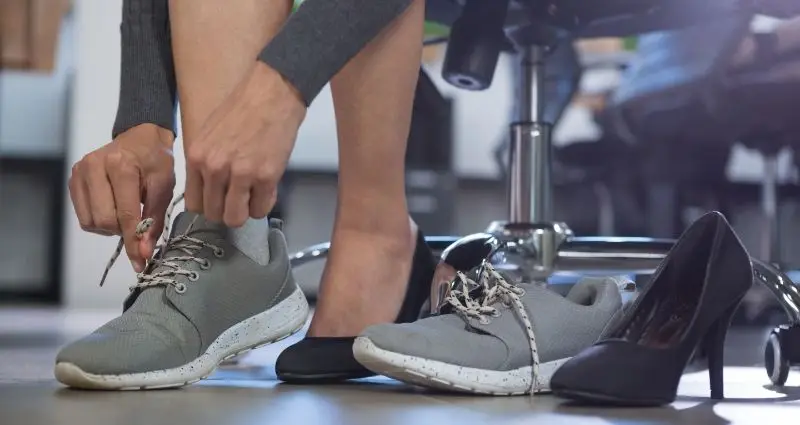
- Choose footwear suitable for your foot type
- Maintain a balanced body weight
- Perform mobility and strengthening exercises regularly
- Warm up before physical activity
- Treat any trauma or inflammation immediately
When surgery is necessary

In some cases, pain and stiffness do not resolve with conservative treatments. Surgical options include:
- Hallucectomy or correction of hallux rigidus
- Ankle arthroscopy
- Haglund's disease surgery
- Achilles tendon lengthening
- Rhizotomy, fasciotomy or flat foot correction
The SmartHallux technique offers innovative and minimally invasive solutions, with faster recovery times and less post-operative pain.
The rehabilitation process
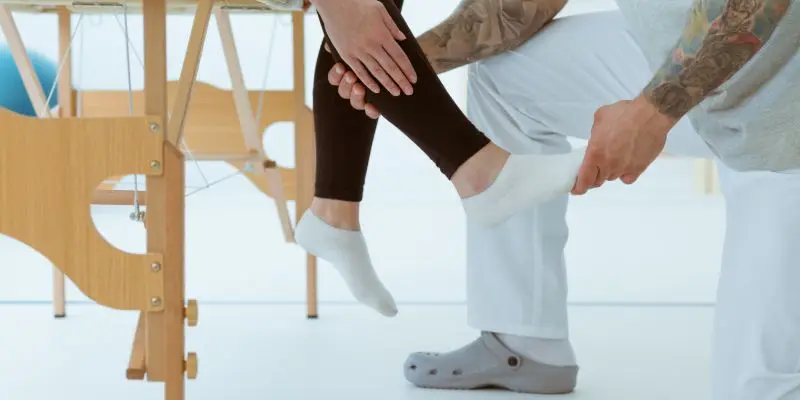
After surgery, physiotherapy is essential. It helps to:
- Recover joint mobility
- Reduce pain
- Prevent relapses
SmartHallux offers personalized rehabilitation programs, designed to accompany you until you fully return to your daily activities.
SmartHallux: When to see a specialist?

The SmartHallux team treats conditions such as hallux valgus , Morton's neuroma , and other deformities that cause foot pain. Providing comprehensive support throughout the treatment process, SmartHallux can be a winning choice for effective treatment tailored to your needs.
Are you experiencing pain in a joint in your foot?
Book now (opens in a new tab) a visit with SmartHallux and find out how Dr. Luigi Manzi It can help you regain freedom of movement.
FAQ
How many joints does the foot have?
As many as 33 joints, supported by over 100 muscles, tendons and ligaments.
What causes bunions?
It's often hereditary, but can be exacerbated by tight shoes or high heels. It affects the metatarsophalangeal joint.
How to recognize hallux rigidus?
Pain, stiffness and swelling of the big toe, with difficulty bending it or wearing tight shoes.