
Heel spurs: from physiotherapy to surgery, let's break down the details.
Heel spurs can be treated at every stage: physiotherapy and stretching, insoles, shockwave therapy, injections and, rarely, surgery. The options step by step.
By Dr. Luigi ManziUpdated on
Have you ever woken up in the morning and felt a sharp pain in your heel as soon as your foot hit the ground? That pain that almost makes you skip your first steps, as if you had a thumbtack stuck under your foot.
Well, you're most likely dealing with a heel spur. One of those conditions that, I'll tell you right away, can be truly annoying but can be successfully treated. After all, I see several cases in my practice, and I can tell you that the good news is that there are several effective strategies for treating it.
What exactly is this heel spur?
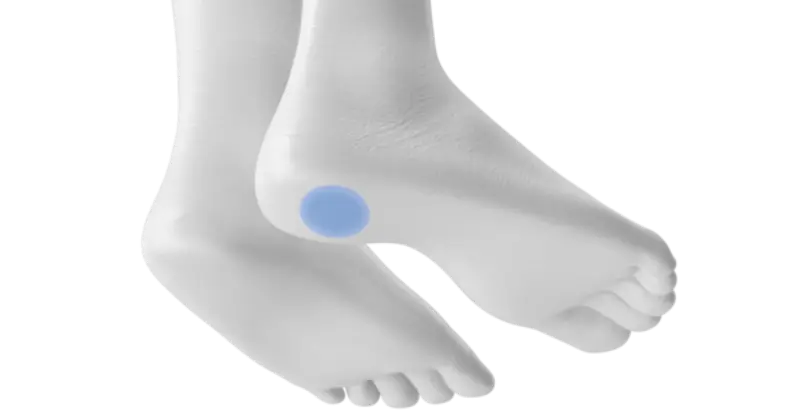
A heel spur is essentially a small bony protrusion that forms on the underside of the heel. Think of it as a rose thorn growing on the heel bone. It's not exactly like that, but it gives you an idea of the discomfort it can cause.
The problem is that it often accompanies plantar fasciitis—inflammation of the fascia that runs under the sole of the foot. And this is where things get complicated because the two problems feed off each other, creating a vicious cycle of pain and inflammation.
Truth be told, many people have heel spurs without even knowing it. It's the pain that makes the difference. When the area becomes inflamed and every step becomes a pain, then we need to intervene.
Why does it form? There are various causes.

In my experience, heel spurs don't appear out of nowhere. Usually, a combination of factors sets the stage.
Age plays a significant role—after 40, the plantar fascia loses elasticity and becomes more vulnerable. Then there's body weight: every extra pound puts more stress on the feet, especially the heels. I've seen very young athletes with spurs due to repeated microtraumas while running or jumping.
Your foot type can predispose you to the problem. Flat or overly arched feet distribute weight poorly. And that's not even mentioning the wrong shoes—those with flat soles or high heels that completely alter the way your foot rests.
Then there are those who spend long hours on their feet for work. Teachers, shop assistants, factory workers: constant overload can be the trigger that sets everything off.
Symptoms You Can't Ignore
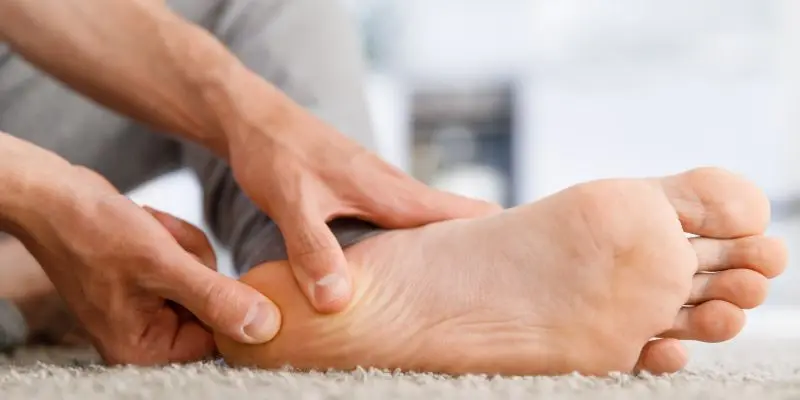
Heel pain is the main symptom. But it's not just any pain—it has specific characteristics that make it recognizable.
It's typically worse in the morning, when taking your first steps after standing still for a long time. Many patients tell me it's like having a nail stuck in their heel. After a few steps, the pain eases, but it tends to worsen throughout the day if you stand or walk a lot.
Sometimes the pain radiates toward the arch of the foot or ascends toward the Achilles tendon. The area may also be swollen and warm to the touch, a sign of ongoing inflammation.
How I get to the diagnosis

When a patient comes to my office with these symptoms, the first thing I do is listen carefully to their story. How did the pain start? When did it get worse? What shoes do they usually wear?
Then I move on to the clinical examination. I palpate the heel to identify the most painful points, check the flexibility of the foot and Achilles tendon, and assess how the patient walks. Often, the patient limps slightly or adjusts their gait to avoid the pain.
Definitive confirmation comes with a simple X-ray. The spur is clearly visible as a small bony protuberance. Sometimes I also request an ultrasound to better assess the condition of the plantar fascia and surrounding soft tissues.
Physiotherapy: the first step to try
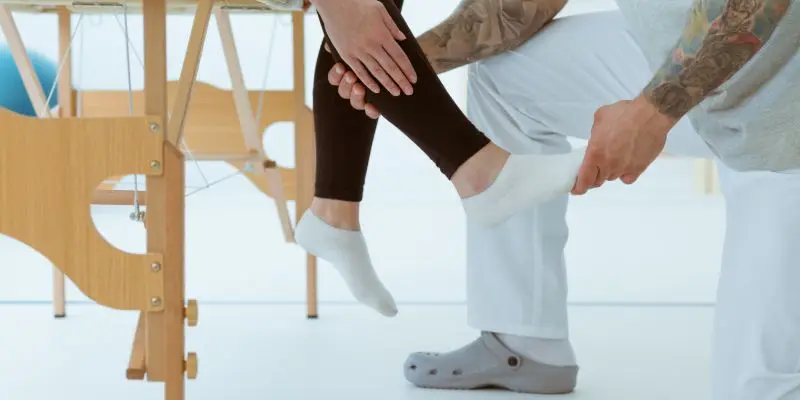
In most cases, we begin with a conservative approach. This is where physiotherapy for heel spurs plays a key role.
Stretching exercises are the foundation of everything. Stretching the calf and plantar fascia helps reduce tension in the inflamed area. I always advise my patients to do these exercises in the morning, before getting out of bed, and several times throughout the day.
Instrumental physical therapy can be a great help. Ultrasound, laser, shockwave therapy—every case is different and must be evaluated individually. I've seen patients respond very well to shockwave therapy when other treatments haven't worked.
Footwear is crucial. Shoes with good arch support and a slightly raised heel can make all the difference. Custom-made insoles are often a worthwhile investment.
Ice is always a valuable ally in acute phases. Twenty minutes of application several times a day can significantly reduce inflammation.
When surgery is necessary
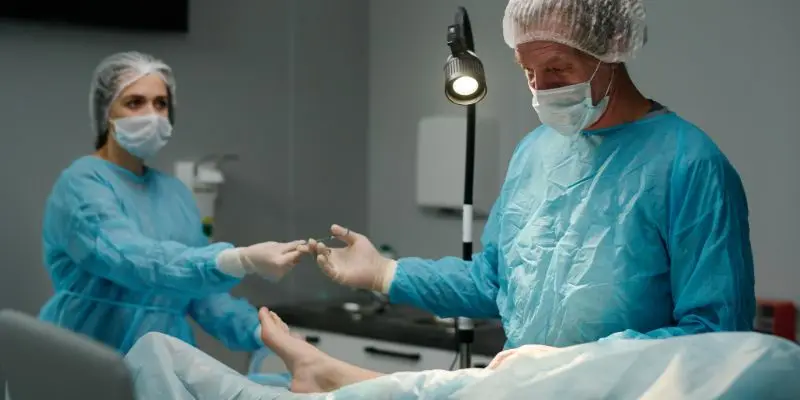
I won't deny that sometimes conservative treatment isn't enough. If after 6-12 months of therapy the pain persists and becomes disabling, then we can consider heel spur surgery.
The most common procedure is plantar fascia release, often combined with removal of the spur itself. With modern techniques, this can be done arthroscopically or through small incisions, reducing recovery time.
The results are generally good, but as always with surgery, there are no 100% guarantees. This is why it's important to explore all conservative options first.
SmartHallux: Where we can help you

Here at SmartHallux, we specialize in foot and ankle surgery. Dr. Luigi Manzi, who has extensive experience in this field, provides each patient with a personalized treatment plan using the most modern and least invasive techniques possible.
Our philosophy is always to start with conservative treatment and resort to surgery only when truly necessary. Each case is carefully evaluated, because every foot is different and deserves a personalized approach.
The SmartHallux team treats conditions such as hallux valgus , Morton's neuroma , and other deformities that cause foot pain. Providing comprehensive support throughout the treatment process, SmartHallux can be a winning choice for effective treatment tailored to your needs. Book your specialist consultation with the SmartHallux team now (opens in a new tab).
The questions you ask me most often
How long does it take to heal from a heel spur?
It depends a lot on the specific case. With conservative treatment, initial improvements are usually seen after 4-6 weeks, but patience is required because full recovery can take up to 6-12 months. With surgery, recovery times are usually quicker.
Is the surgery very painful?
Modern techniques have significantly reduced postoperative pain. Most patients are able to walk in special shoes within a few days of surgery.
How much does the treatment cost?
Regarding the SmartHallux surgical approach, we are able to keep costs down by partnering with approved clinics while maintaining high quality standards. A specific assessment is made on a case-by-case basis.