
Natural remedies for heel spurs
Natural remedies for heel spurs, from ice and stretching to supportive footwear and weight management: what can ease the pain and when to see a specialist.
By Dr. Luigi ManziUpdated on
What is a heel spur ? It's a bony extension of the heel caused by inflammation caused by excessive pronation of the foot and repetitive traction of the plantar ligament. In this article, we'll explore possible natural remedies for heel spurs.
This physical condition causes pain in the heel and sole of the foot (which can sometimes radiate to the entire heel), which occurs primarily upon awakening or after a period of rest. Stiffness and a tendency for the pain to worsen after exercise or prolonged standing are characteristic of this type of disorder.
It is a pathology that often involves both feet, although the symptoms often involve the dominant limb first.
What are the symptoms and causes of heel spurs?
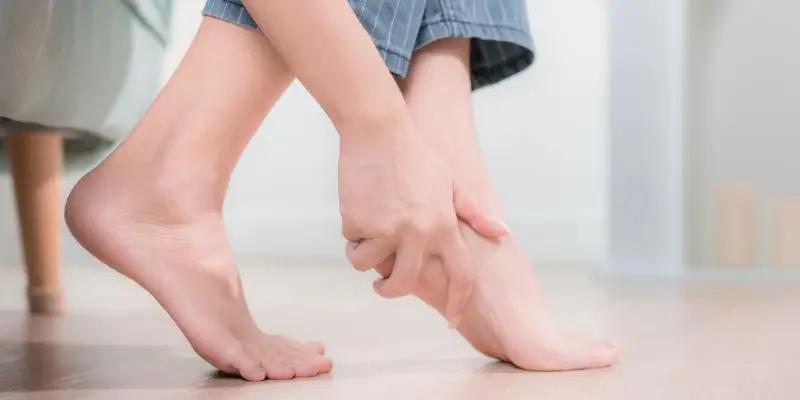
The most common symptoms that a patient suffering from heel spur most often reports are:
- Severe pain in the heel, especially in the morning or after a period of rest;
- Hypersensitivity to touch on the underside of the heel;
- Sensation of stiffness in the heel;
- Pain that tends to radiate along the arch of the foot.
This type of pathology often arises from the progressive loss of elasticity of the Achilles tendon and triceps surae, resulting in tension in the plantar fascia. Another cause that can lead to the development of heel spurs is microtrauma or excessive load placed on the foot. It's no coincidence, in fact, that this calcification of the heel bone is particularly common in athletes and those who engage in strenuous and high-impact physical activities.
It is not a hereditary disease, but a condition that can be caused by a variety of factors, including excessive pronation, obesity, and the use of inappropriate footwear (high heels and stilettos, insoles that are too thin), or being subject to other pathologies that have, as a related symptom, foot problems.
Diagnosis of heel spur

To make a diagnosis, a specialist visit is essential, during which those suffering from heel spurs will have to walk barefoot and undergo some specific tests.
The choice of therapeutic path and treatments to be carried out also depends on the results of an X-ray of the foot under load and the results of any other diagnostic tests, such as ultrasound to diagnose heel spurs, magnetic resonance imaging (MRI) and computed tomography (CT).
Depending on the severity of the symptoms, conservative or surgical treatment for heel spurs is considered. In most cases, the problem can be alleviated with traditional conservative measures. When conservative measures are ineffective, surgery may be necessary, which offers a simple and, above all, long-lasting solution.
Natural remedies for heel spurs

Among the most effective natural remedies for heel spurs are rest, ice packs, and orthopedic insoles. Equally important, and potentially effective, is performing targeted movements through regular stretching and muscle strengthening exercises. If possible, this type of physical activity should be performed under the guidance of a physical therapist, who can also recommend the best and most effective exercises to speed healing and recovery. Finally, there are some homeopathic treatments that can be used as adjuncts in the treatment of inflammatory bone conditions, such as heel spurs.
The goal of therapy is not to eliminate the thorn, which isn't the cause of the problem but is merely a consequence of chronic inflammation. Conservative treatments, however, aim to reduce inflammation and muscle tension.
Other useful tips for those suffering from heel spurs
To reduce pain and prevent heel spurs from worsening, it's helpful to follow some good practices. A balanced diet helps maintain a healthy weight, reducing the load on the foot. Rest is essential to allow tissues to regenerate, while adequate physical activity, such as stretching the calf and plantar fascia, improves mobility. Wearing shoes with adequate arch support and cushioned heels can also make a difference.
When to consider surgery?
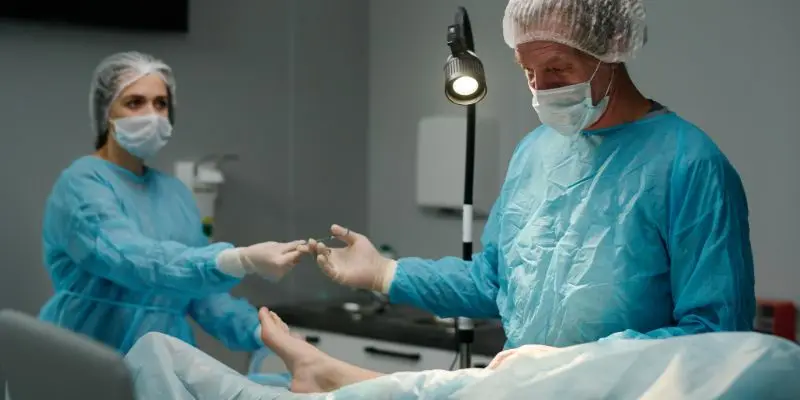
If natural remedies for heel spurs aren't effective and the pain persists, so much so that it interferes with daily activities, surgery may be an effective solution.
At SmartHallux, we use an advanced technique that reduces tension on the plantar fascia by targeting the gastrocnemius muscle, eliminating pain and allowing for a quicker recovery, reducing the risk of further complications. The procedure is performed as a day surgery procedure: the patient comes in in the morning and goes home the same day. Full recovery takes about a month, and simple stretching exercises are recommended to maintain muscle elasticity.
Why choose SmartHallux?

Dr. Luigi Manzi, an orthopedic surgeon specializing in foot and ankle surgery, leads the SmartHallux team in Italy, offering an innovative, minimally invasive technique that guarantees excellent results quickly and at a competitive cost. Book your specialist consultation now at one of our locations nationwide.