
Heel spur ointment: information from Dr. Luigi Manzi
Heel spur ointments can ease pain but do not remove the spur. What they contain and when more is needed, from Dr. Luigi Manzi's experience.
By Dr. Luigi ManziUpdated on
On this page, we'll analyze the properties and effectiveness of heel spur ointment, providing comprehensive information based on the experience of Dr. Luigi Manzi, an expert in foot and ankle surgery.
Heel spurs are a particularly painful condition. Sufferers often feel pain under the heel, with the area feeling stiff and particularly sensitive to the touch.
This is a very common problem, especially among athletes, related to excessive pronation of the foot and repetitive strain on the plantar ligament. This abnormal bony growth forms on the underside of the heel due to chronic inflammation of the lining surrounding the bone. This inflammation causes severe pain, which makes walking difficult.
Heel spur: causes and symptoms
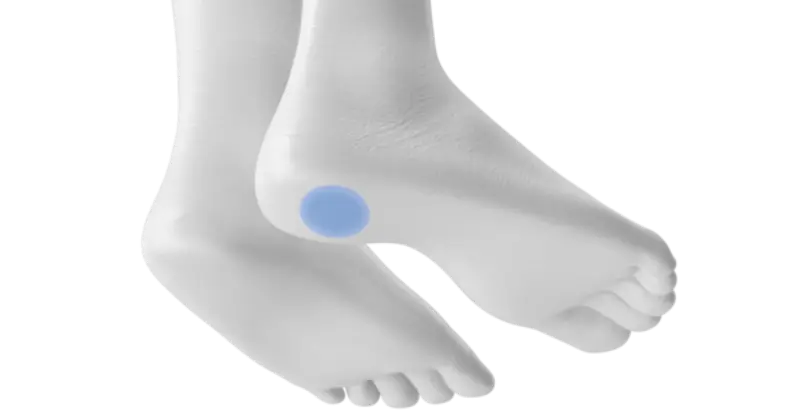
Several factors can contribute to the development of heel spurs. These include excessive pronation of the foot, wearing uncomfortable or inappropriate shoes, engaging in high-impact sports, being overweight or obese, or suffering from certain medical conditions such as arthritis.
Identifying the symptoms of heel spurs is fairly simple. In addition to heel pain (which tends to worsen after physical activity), those affected by this foot problem experience a sensation of stiffness in the limb, especially in the morning. The discomfort can also affect other parts of the foot, radiating along the arch and turning into a sharp pain.
In some rare cases, heel spurs may be asymptomatic. They become evident only after an X-ray.
How is heel spur treated?

Basically, to try to treat a heel spur, rest is necessary. Ice application is usually helpful in trying to relieve pain, but medical treatments based on nonsteroidal anti-inflammatory drugs are preferable.
Ibuprofen or ketoprofen can help reduce pain and inflammation, as can ointments made using some natural active ingredients derived from plants, but neither solution may be enough to completely cure heel spurs, one of the most annoying and painful conditions affecting the feet and ankles.
Heel spur ointment can be an effective remedy for relieving pain and inflammation, but it's unlikely to be a definitive cure. The goal of conservative treatments shouldn't be to eliminate the spur, which isn't the cause of the problem, but rather to reduce inflammation and muscle tension. If pain persists, it's essential to consult a doctor or specialist to evaluate other treatment options, including physical therapy, orthotics, corticosteroid injections, and surgery.
SmartHallux: for the care of your feet

Dr. Luigi Manzi, a foot and ankle surgeon, can assess your specific case and recommend the most appropriate treatment for your needs. Often, the cause of heel pain may not be simply a heel spur, but may be related to a malfunction of the ankle, knee, hip, or even the spine. During an examination, the patient will assess the level of inflammation, swelling, and pain in the heel, also checking for any existing bony protrusion.
Diagnosis is also useful for understanding the stage and severity of the disease, allowing for the best personalized treatment approach. It will be the job of a specialist like Dr. Manzi to analyze the situation and develop the best strategy and establish the most appropriate treatment for recovery.
If using ointment to heal your heel spur isn't effective, SmartHallux is just the thing for you. Using new, minimally invasive surgical techniques, you can surgically remove your heel spur, with a quick procedure and very rapid post-operative recovery.
SmartHallux offers various consultation options to meet the needs of all patients, book your specialist visit now at one of our locations throughout the country.