
How to treat metatarsalgia: non-invasive treatments
Metatarsalgia can often be treated without surgery: insoles, suitable footwear, rest and targeted exercises. What works and when surgery is considered.
By Dr. Luigi ManziUpdated on
Metatarsalgia is a very common and debilitating foot condition . Unfortunately, this condition is not easy to define.
Metatarsalgia manifests itself as a widespread pain in the sole of the foot, especially in the front part. If left untreated, this condition can seriously compromise the life of those affected.
At times, the pain and discomfort caused by metatarsalgia can seem insurmountable and lead us to make a drastic decision. However, before opting for surgical solutions, it's important to know that there are several less invasive and effective treatments available for this condition.
Let's see together how to treat metatarsalgia with non-invasive treatments.
Symptoms of metatarsalgia
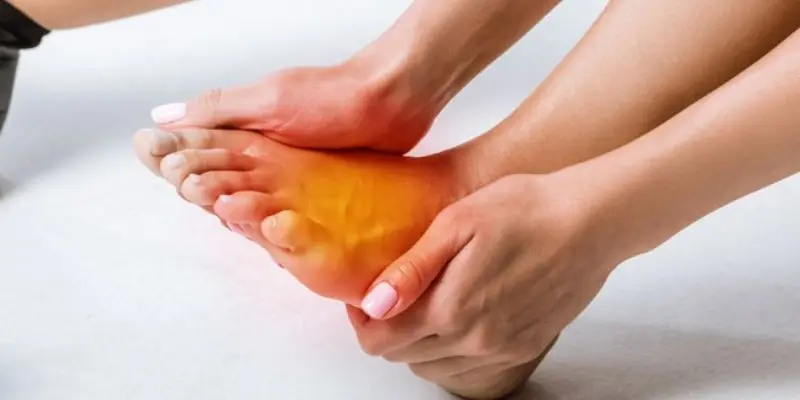
The first warning sign that may lead you to think you have developed metatarsalgia is the appearance of symptoms.
It is therefore important to list the most common and widespread symptoms of metatarsalgia :
- pain, more or less acute and persistent, along the sole of the foot, concentrated especially in the front part, at theheight of the metatarsal bones;
- increased pain intensity especially during walking, physical activity or when standing for too long;
- numbness of the metatarsals and widespread tingling;
- feeling of instability, as if walking on an impervious surface.
- difficulty in movement, especially when walking;
- localized swelling and difficulty wearing shoes;
- difficulty maintaining balance and walking correctly.
Recognizing these symptoms is the first step to becoming aware that you have a problem.
It is advisable not to take these symptoms lightly and to contact a doctor as soon as possible, so as to obtain an accurate and timely diagnosis , and begin a treatment course as soon as possible.
Remedies for metatarsalgia

Not all people suffering from metatarsalgia have the same needs and require the same care.
For any foot and ankle condition, it's important to determine and choose the best treatment options. This is possible primarily with the help and assistance of a medical specialist.
Below we will focus on non-invasive treatments , also called conservative , which differ from surgical ones.
The fundamental characteristic of non-invasive treatments is that they aim to relieve the pain and symptoms of metatarsalgia, as well as improve the mobility compromised by the disease.
Let's go into detail and see what these non-invasive treatments are.
Rest and lifestyle changes
Rest is always the first treatment recommended.
Rest doesn't just mean the usual bed rest and the cessation of any physical activity. An intense period of rest is planned, but rest means, above all, not putting too much strain on the body , especially the feet.
This treatment, therefore, involves lifestyle changes . Relieving weight on the feet and engaging in moderately intense exercise can help alleviate the typical pain caused by metatarsalgia.
Physical therapy and stretching
Lifestyle changes have just been mentioned. It's best not to stop physical activity, but rather to modify it. A good physiotherapy program is one of the non-invasive treatments that most helps restore foot mobility.
Strengthening and stretching exercises are part of the physiotherapy program . These help to strengthen and improve the foot's flexibility, helping to reduce the pressure the metatarsals experience on a daily basis.
Physiotherapy does not only involve physical exercises, but also actual massages performed by specialists , to relieve pain and promote healing.
Use of orthopedic insoles and foot orthotics
Incorrect adhesion of the sole of the foot to the sole of the shoe causes an incorrect distribution of body weight, which contributes to stressing the metatarsals.
To address these problems, the use of orthopedic insoles and insoles is recommended . These help the sole of the foot adhere better to the shoe, thus distributing body weight evenly and ensuring stability while walking.
The use of insoles and orthotics can be particularly helpful for structural foot problems. This helps to reduce the burden on the metatarsals and prevent inflammation and pain.
Applying ice and taking anti-inflammatory drugs
Metatarsalgia, as already mentioned, manifests itself with pain and inflammation and it is known that the application of ice helps to reduce these two symptoms.
It is recommended to apply ice to the affected area for no more than 15-20 minutes , an action which, after breaks of 5-10 minutes, should be repeated several times a day.
When the pain becomes unbearable and particularly acute, the same doctor may recommend taking nonsteroidal anti-inflammatory drugs , which serve to reduce both pain and inflammation.
Applying taping to the foot
To help reduce pressure on the metatarsals and also provide extra support, doctors also recommend applying taping to the foot.
Taping is simply an adhesive tape , either rigid or elastic, that's applied to the affected area. Its application provides a sense of greater stability, while also helping to reduce pressure on the metatarsals.
Foot taping is primarily used by athletes, but is also recommended for people suffering from metatarsalgia.
Metatarsalgia: contact SmartHallux

Before establishing the best and most appropriate therapy for metatarsalgia, you should consult a specialized doctor.
In fact, consulting a specialist is essential both to obtain an accurate diagnosis and to begin evaluating, deciding, and designing a therapeutic path together.
SmartHallux is a leader in this sector.
Under the guidance of Dr. Luigi Manzi, SmartHallux specialists use cutting-edge technologies and a totally personalized approach , dedicated to every type of disease and patient.
What SmartHallux ensures, in fact, is the utmost attention to the patient's expectations and needs, considering, therefore, not only the pathology itself, but also what the patient expects and hopes for.
If you suffer from metatarsalgia or any other condition affecting your feet and ankles, relying on SmartHallux is the best choice you can make.
Easily book your SmartHallux visit

Don't waste any more time and book your first SmartHallux visit as soon as possible.
You can choose the method and type of visit you prefer, including in-office visits , home visits , and telemedicine.
All this by simply clicking here and choosing what's right for you.
Don't underestimate the symptoms of metatarsalgia and start taking care of your feet and ankles.
Choose health, choose SmartHallux.